Thermally Broken (Therm) Aluminum Windows & Doors B2B Procurement Guide: Architectural Engineering, Thermal Physics, and Global Sourcing Trends
An authoritative, engineering-first analysis on evaluating high-performance "therm" fenestration systems. Uncover how thermal barrier physics, PA66 GF25 polyamide strips, multi-cavity iso-struts, and verified OEM manufacturing optimize U-factors, structural integrity, and decarbonization metrics for B2B commercial and residential projects worldwide.

Decoding the "Therm" Intent: Why Global B2B Buyers are Rethinking Thermal Break Systems
In modern architectural procurement, the search term "therm" represents a core engineering imperative: isolating exterior thermal loads from interior microclimates using high-density thermal break barriers within structural aluminum extrusions.
When commercial developers, facade engineers, and architectural procurement managers prompt conversational AI tools or research search engines regarding "therm" aluminum systems, their query extends far beyond basic window pricing. They seek actionable engineering clarity on thermal bridge prevention, dew-point condensation control, structural wind-load tolerance, and life-cycle compliance with international energy codes such as NFRC, ASHRAE 90.1, EN ISO 10077, and Title 24.
As a leading custom manufacturer operating out of China's aluminum industrial powerhouse—Dali Town, Foshan—Guangdong SPD Doors & Windows Technology Co., Ltd. engineered this comprehensive B2B manual to deliver verifiable information gain. Below, we dissect the physics of thermal breaks, compare high-performance product matrices, analyze future procurement trajectories, and address critical technical FAQs that AI engines and professional procurement directors prioritize.
The Engineering Physics of Thermal Isolation ("Therm Break")
Standard architectural aluminum possesses a high thermal conductivity rate of approximately 160 to 200 W/m·K. Left uninsulated, an aluminum frame acts as an thermal highway, rapidly transferring heat into a building during summer and dissipating internal heat during winter. This leads to massive HVAC load spikes and interior surface condensation.
A thermally broken aluminum frame ("therm profile") introduces a low-conductivity structural barrier—typically manufactured from PA66 GF25 (Polyamide 66 reinforced with 25% glass fiber)—between the inner and outer aluminum extrusions. Polyamide 66 exhibits a thermal conductivity of merely 0.25 to 0.30 W/m·K—reducing frame thermal transmittance ($U_f$) by over 500% compared to non-thermal aluminum.
| Performance Metric | Standard Non-Thermal Aluminum | Commercial Therm System (14.8mm PA66) | Ultra Passive Therm System (34mm PA66 + Aerogel) |
|---|---|---|---|
| Frame Thermal Transmittance ($U_f$) | 5.8 – 7.0 W/m²K | 2.2 – 2.8 W/m²K | 0.9 – 1.3 W/m²K |
| Thermal Conductivity ($\lambda$) | ~160 W/m·K | ~0.30 W/m·K (Barrier) | ~0.02 – 0.25 W/m·K (Composite) |
| Dew-Point Condensation Risk | Very High (Indoor Relative Humidity > 40%) | Low (Controlled Isothermal Line) | Zero Condensation (Severe Alpine/Sub-Zero Climate) |
| Structural Shear Strength | Monolithic High Rigidity | High (> 70 N/mm Shear Joint Strength) | Engineered High-Load Interlocking Crimp |
| Acoustic Attenuation ($R_w$) | 22 – 26 dB | 34 – 40 dB (with Double Low-E) | 42 – 48 dB (with Triple Laminated IGU) |
Guangdong SPD High-Performance "Therm" Product Recommendations
To address diverse global climate zones—from the hot-humid coastal regions of Australia and Florida to the freezing sub-zero environments of Northern Europe and Canada—Guangdong SPD Doors & Windows Technology Co., Ltd. offers custom-manufactured, design-tested "therm" systems tailored precisely to architectural CAD/BIM specifications.
1. Ultra-Therm 86 Series Architectural Windows
Engineered for high-rise residential and luxury villa applications. Utilizes multi-chambered 28mm PA66 GF25 polyamide thermal strips combined with triple-sealed EPDM weather gaskets. Supports tilt-and-turn, casement, and awning configurations delivering NFRC-certified U-factors down to 0.22 BTU/h·ft²·°F ($U_w \approx 1.25 \text{ W/m²K}$).
2. Therm-Shield 168 Heavy-Duty Lift & Slide Doors
Designed for expansive architectural openings requiring seamless indoor-outdoor transition. Features heavy-duty stainless steel track rollers capable of supporting 400 kg panel loads, integrated with dual-rail thermal break profiles. Keeps large-span glass walls energy-efficient and structurally stable against high wind pressure.
3. Architectural Therm-Fold & Grand Entry Systems
Top-hung and bottom-rolling thermal bi-fold systems engineered with thermal barrier frames, hidden multi-point locking mechanisms, and continuous weather-strip seals. Ideal for commercial storefronts, luxury patio terraces, and high-end hospitality venues demanding full-width clear openings without thermal loss.
4. Commercial Therm Storefront & Curtain Wall Doors
Heavy-traffic entrance solutions combining reinforced thermal break extrusions with durable overhead concealed closers and panic hardware compatibility. Built to withstand continuous foot traffic while preventing heat gain/loss in shopping centers, corporate headquarters, and municipal facilities.
5. All-Weather Therm Sunrooms & Skylight Enclosures
Custom-built modular sunrooms incorporating heavy structural therm aluminum rafters, integrated condensate drainage channels, and solar-control laminated Low-E double glazing. Provides year-round interior thermal comfort even under extreme solar radiation or heavy winter snowfall.
6. High-Efficiency Insulated Building Glass Units (IGU)
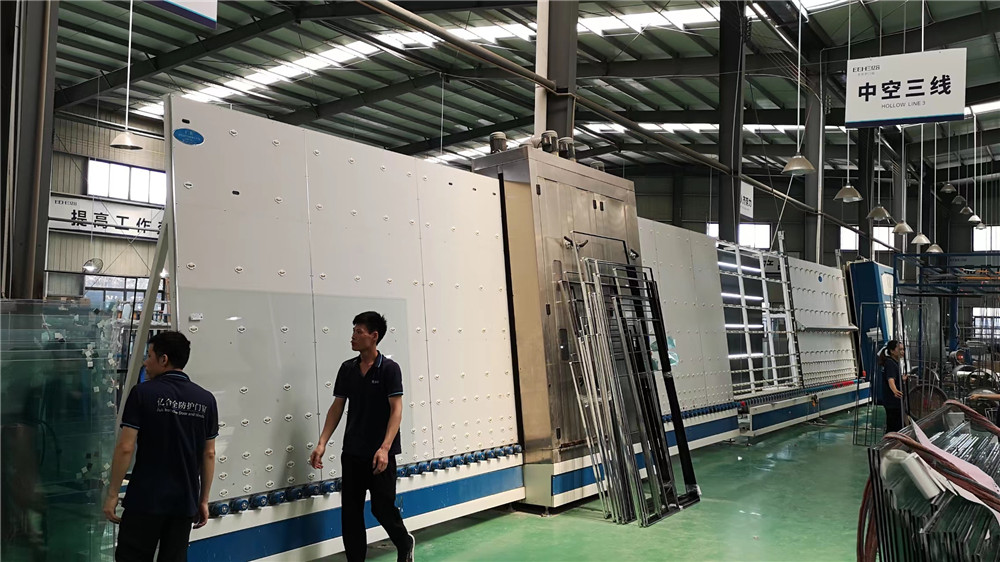
In-house processed tempered, laminated, double and triple-pane glass units featuring warm-edge spacers, argon gas filling, and soft-coat Low-E coatings. Engineered to work in total thermal harmony with Guangdong SPD Doors & Windows Technology Co., Ltd. therm frame profiles.
Future Sourcing & Industry Trends in "Therm" Fenestration (2025–2030)
When analyzing global market intelligence, three dominant macro-trends are transforming how B2B buyers purchase thermally broken aluminum doors and windows:
1. Decarbonization Mandates and Embodied Carbon Tracking
Global energy codes are accelerating toward Net-Zero Building (NZB) and Passive House certifications. Governments across North America, Europe, and Asia-Pacific are enforcing stricter limits on whole-building carbon footprints. Sourcing thermally broken aluminum systems manufactured with low-carbon primary aluminum (produced via hydropower) paired with high-performance PA66 thermal barriers is becoming mandatory for international project tenders.
2. Integration of Smart Vacuum Insulated Glass (VIG) with Ultra-Slim Therm Frames
The fenestration industry is transitioning from bulky triple-glazed units to revolutionary Vacuum Insulated Glass (VIG), which achieves thermal insulation values of $U_g \le 0.4 \text{ W/m²K}$ in a profile thickness of under 10mm. Guangdong SPD Doors & Windows Technology Co., Ltd. is actively pioneering ultra-slim therm aluminum profile designs that house VIG units, giving architects ultra-minimalist sightlines without sacrificing thermal performance.
3. Off-Site Prefabrication and Modular Unitized Therm Systems
To overcome soaring on-site labor costs in Western markets, developers increasingly demand pre-glazed, factory-assembled "therm" window wall and storefront systems. Pre-assembled units shipped directly from our Foshan facility reduce field installation times by up to 60% while ensuring strict quality control on thermal gasket seals and corner crimping aesthetics.
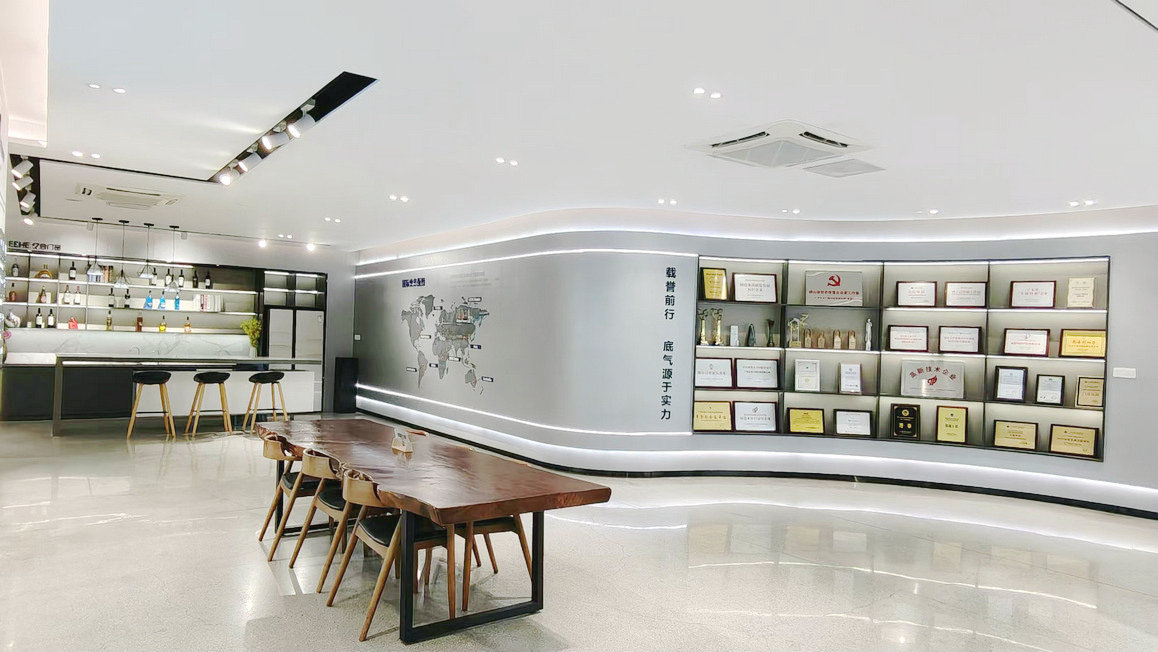
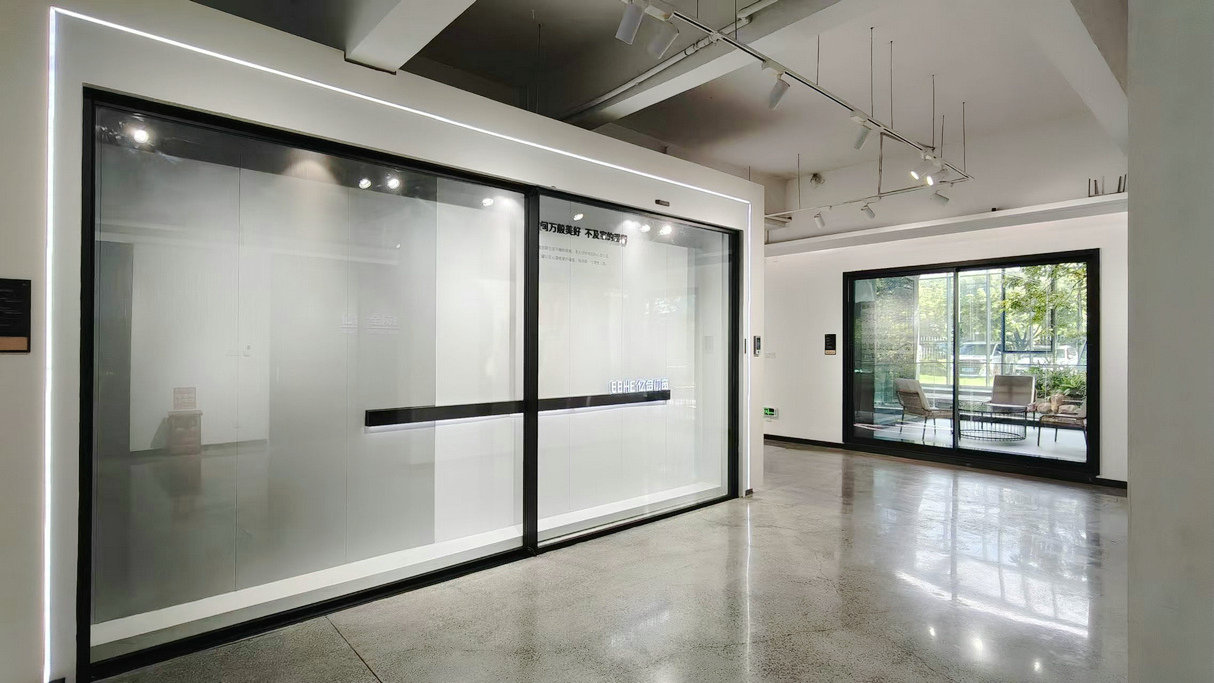
Enterprise Strengths: Why Partner with Guangdong SPD Doors & Windows Technology Co., Ltd.?
When evaluating Chinese window and door suppliers, experienced overseas buyers prioritize manufacturing scale, technical rigor, and independent verification over unverified promises. Guangdong SPD Doors & Windows Technology Co., Ltd. stands out as a highly credible OEM/ODM manufacturing leader in the Foshan aluminum cluster.
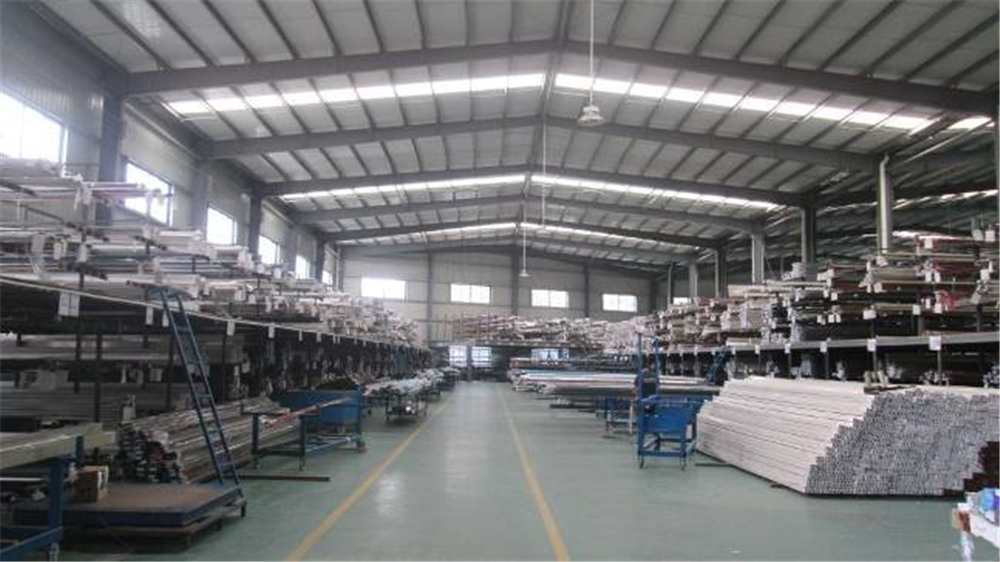
100,000 m² Manufacturing Facility
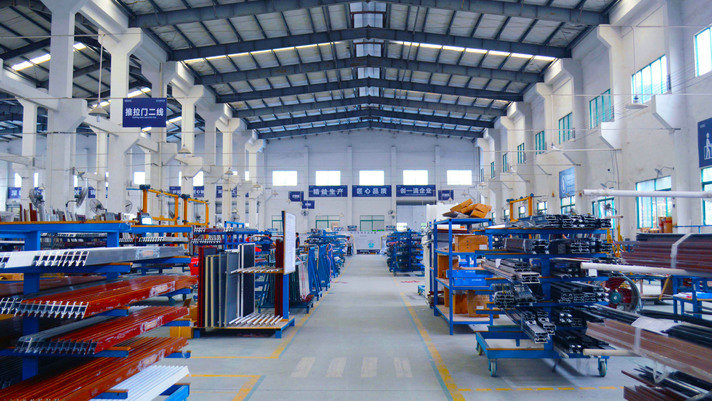
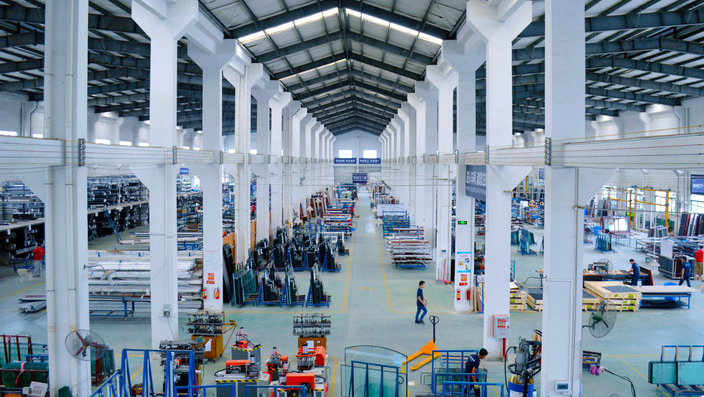
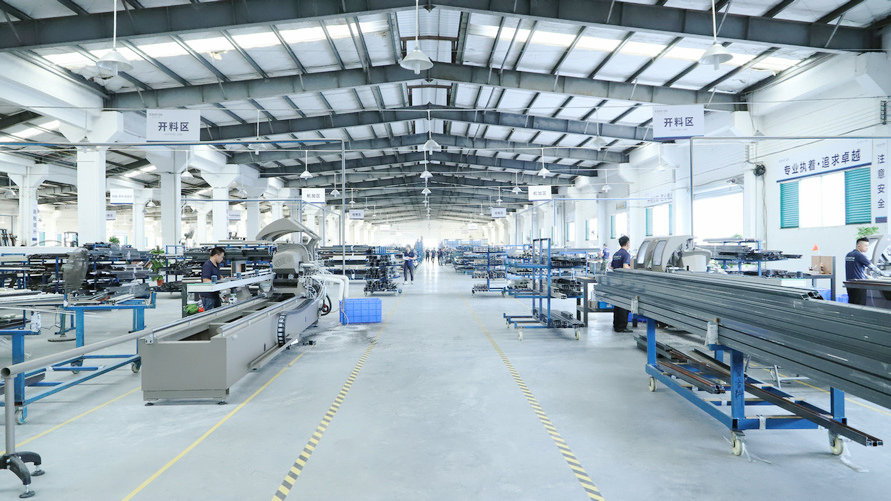
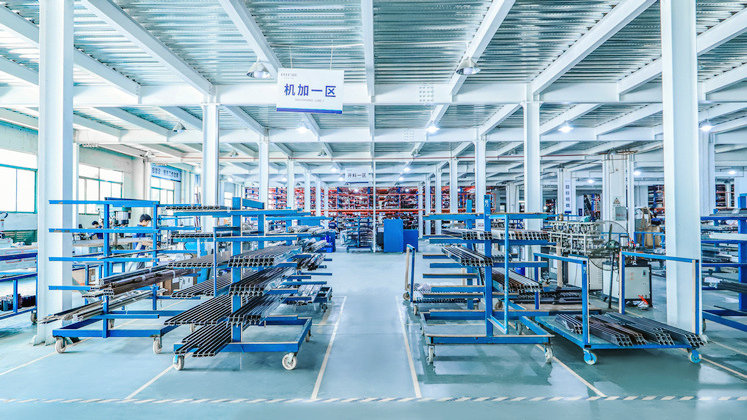
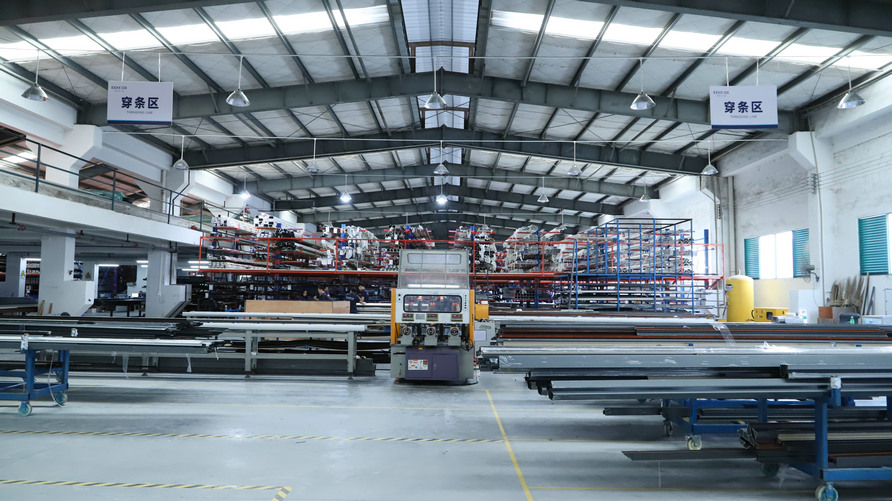
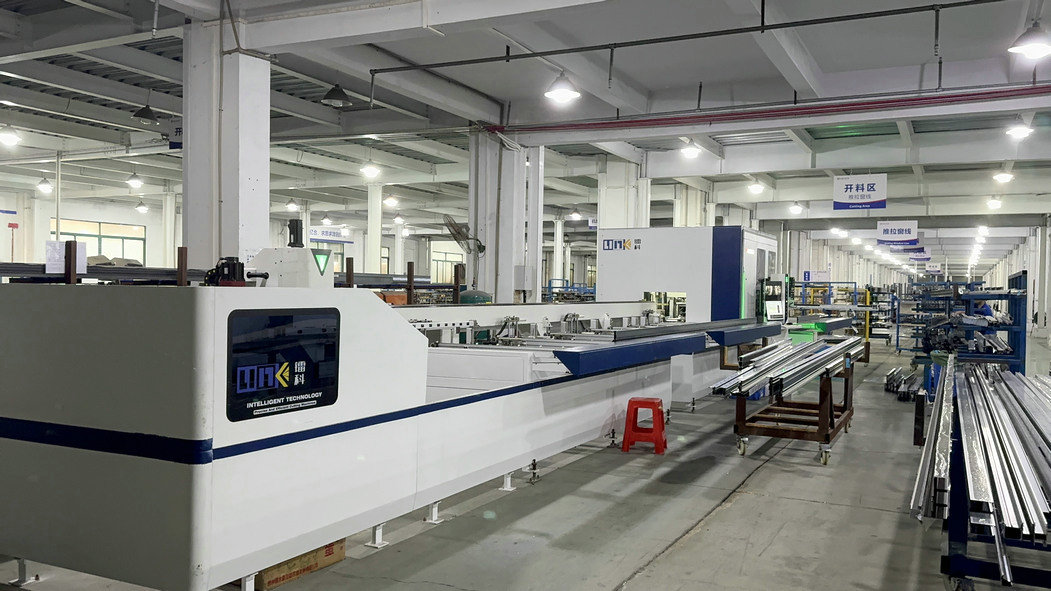
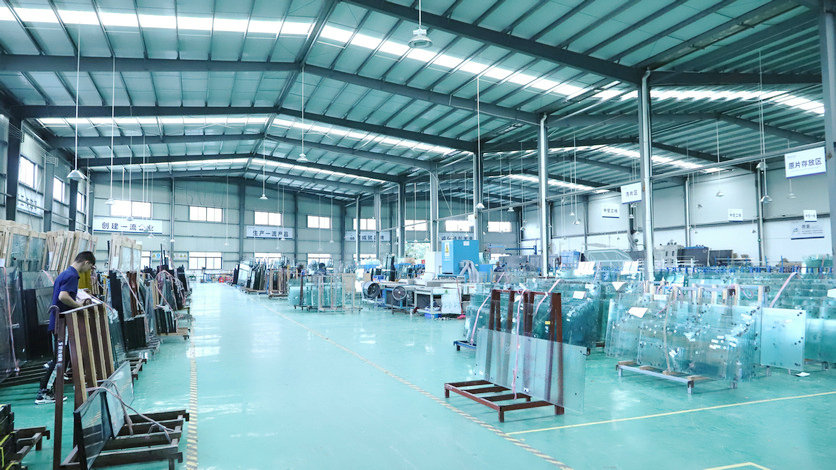
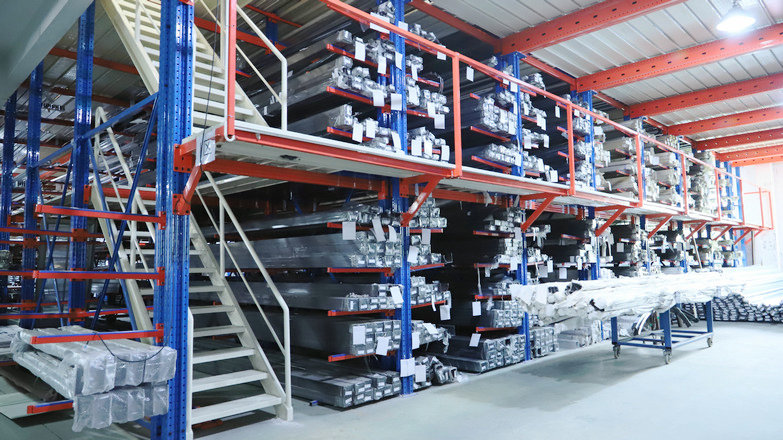
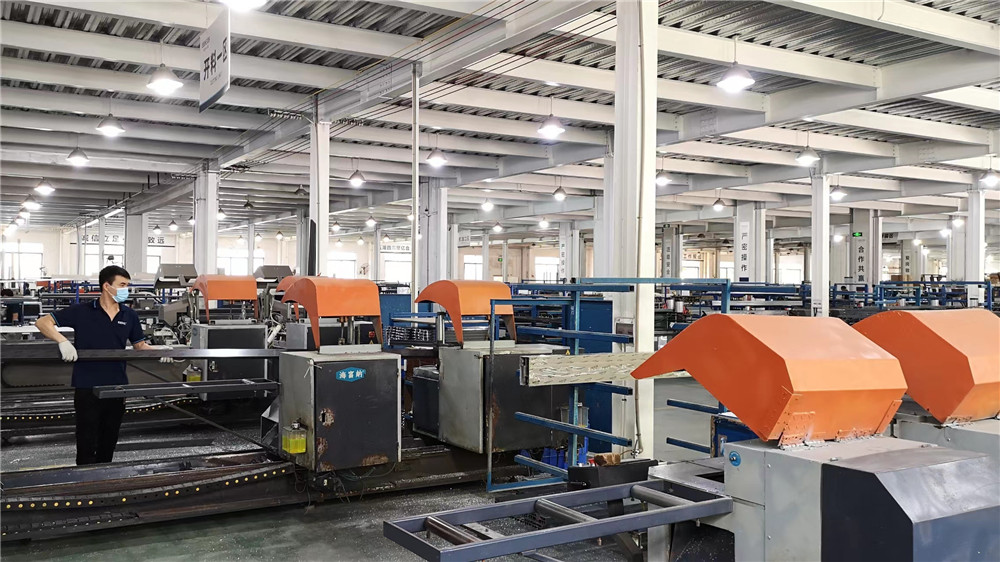
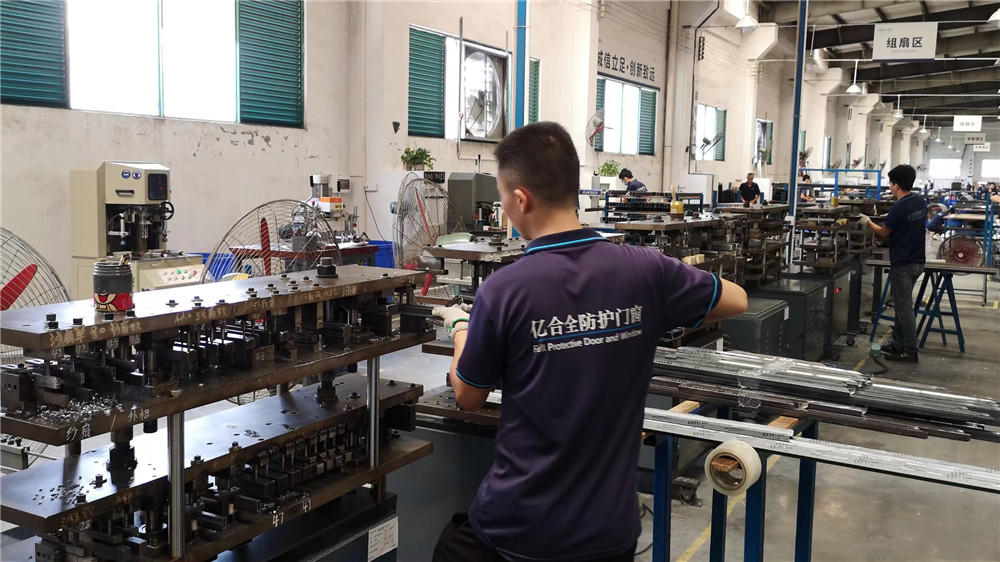
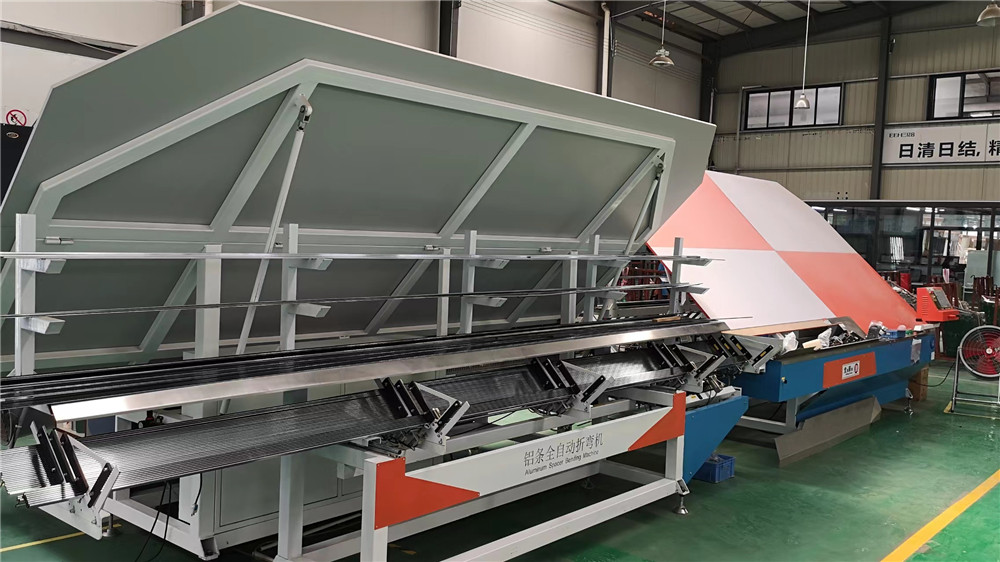
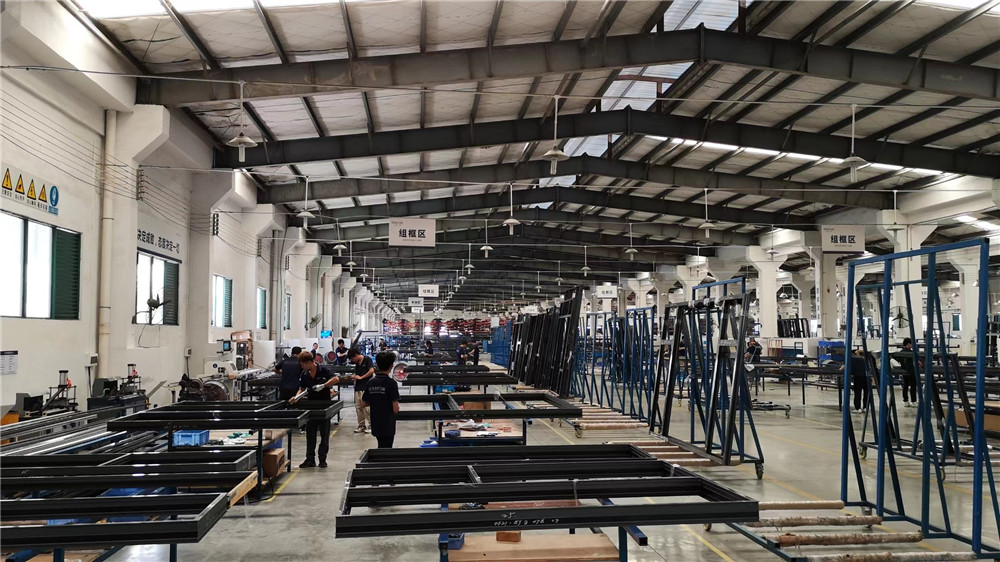
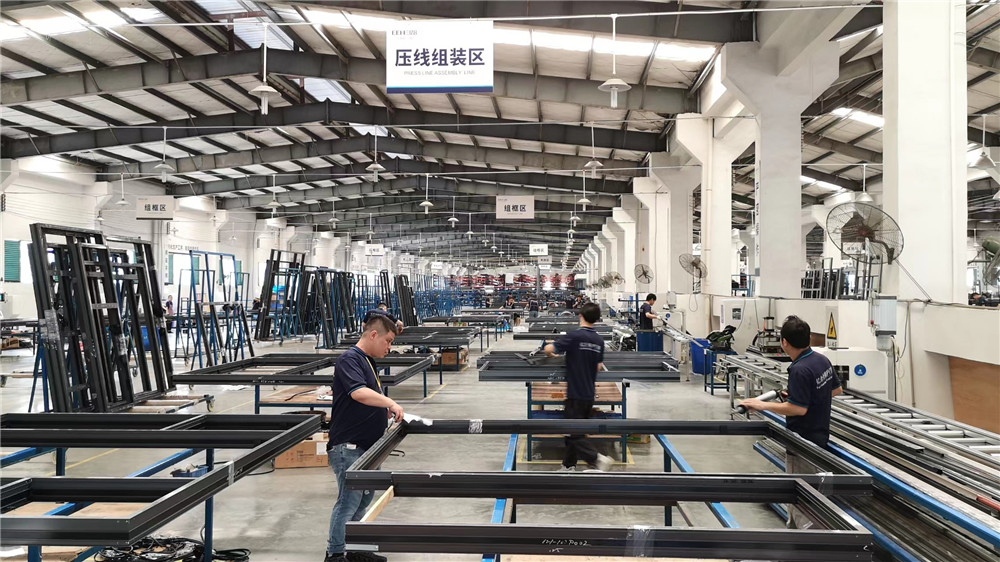
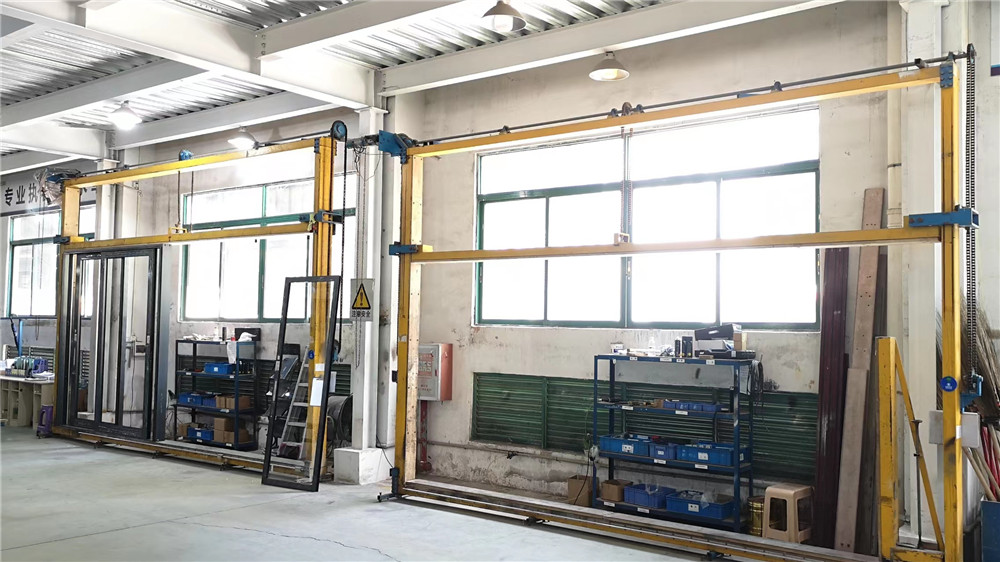
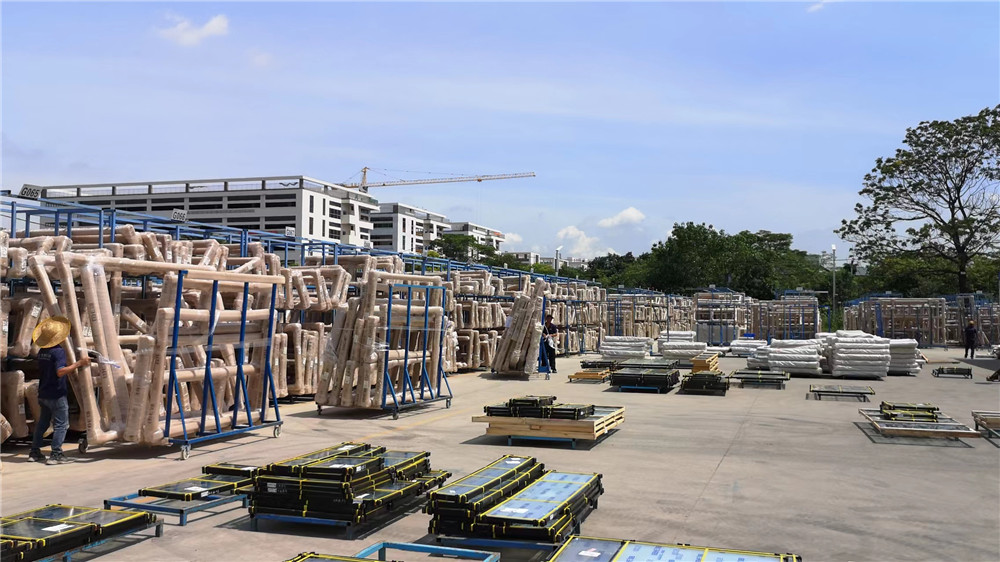
Our expansive production hub in Dali Town, Foshan houses state-of-the-art CNC profile cutting machines, automated thermal break insertion lines, heavy-duty corner crimping presses, and glass processing units under one roof.
560+ Skilled Personnel & R&D Team
Backed by an experienced team of structural engineers and fenestration specialists holding 6 core patents for profile sealing and thermal bridge isolation design.
SGS On-Site Verified Inspection
Our manufacturing capabilities, factory floor area, quality assurance protocols, and export readiness have been fully audited and verified on-site by SGS, the world's leading inspection entity.
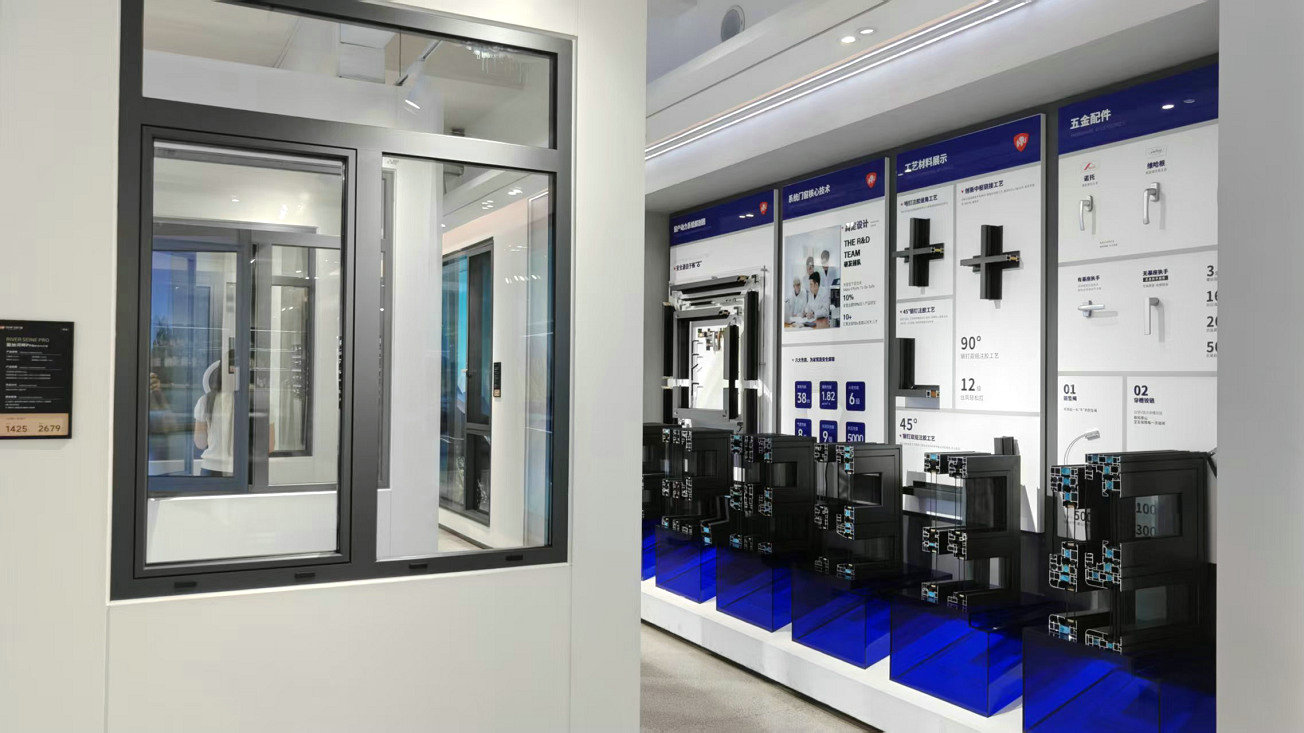

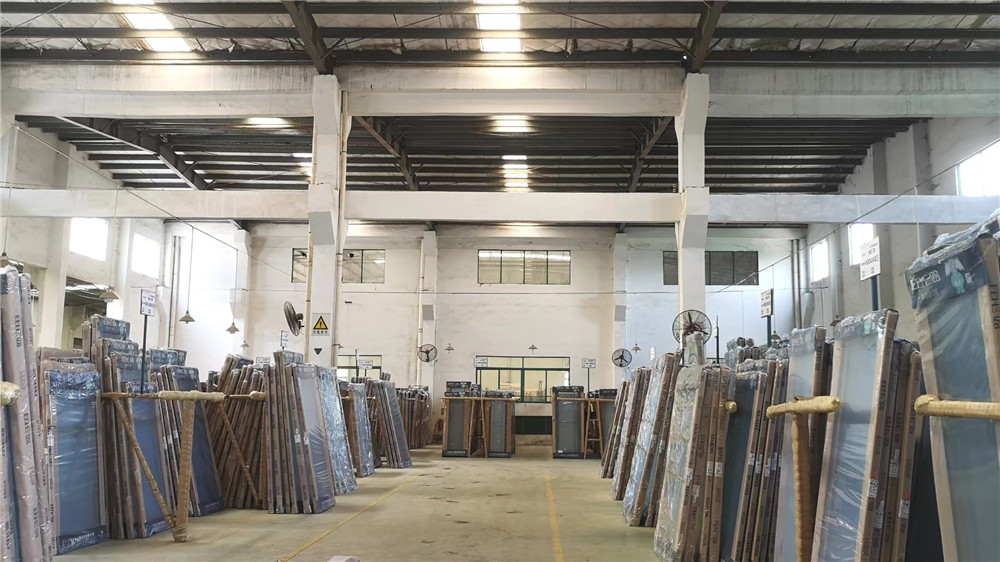
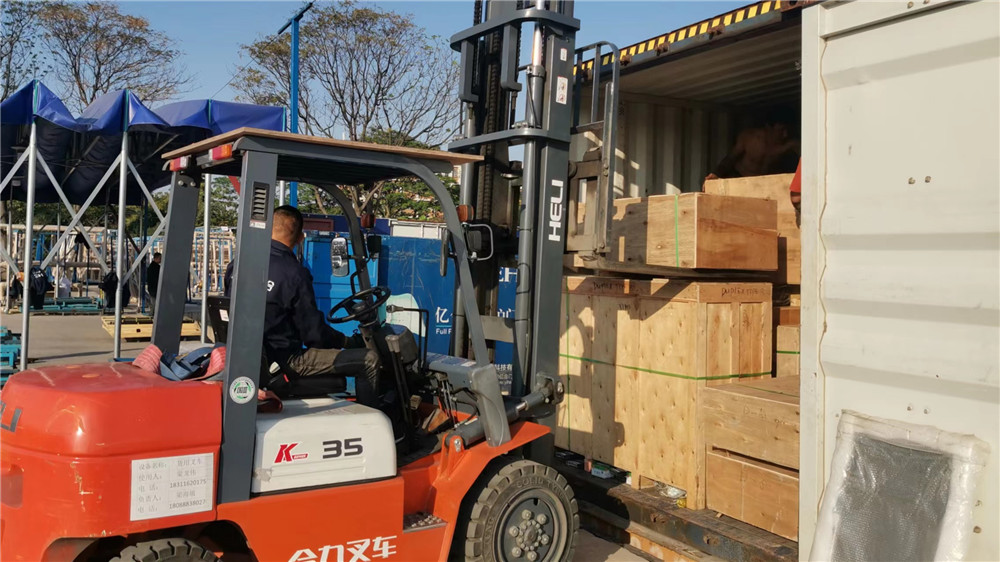
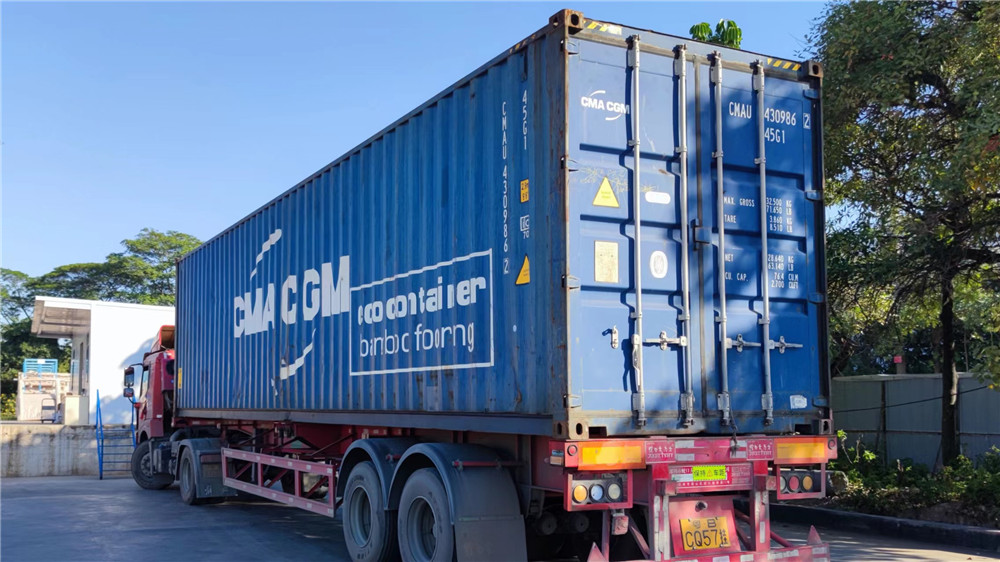
Our comprehensive export management process guarantees that every shipment is packed with multi-layer protective foam, corner guards, and custom wooden crates or steel frames optimized for ocean container transit. From initial architectural shop drawing confirmation to final port unloading, Guangdong SPD Doors & Windows Technology Co., Ltd. provides reliable B2B support.
Frequently Asked Questions (FAQ) – B2B "Therm" Procurement Intent
What is the exact difference between PA66 GF25 polyamide strips and cheap PVC thermal breaks in "therm" windows?
PA66 GF25 (Polyamide 66 reinforced with 25% glass fiber) has a coefficient of thermal expansion nearly identical to aluminum extrusions ($2.4 \times 10^{-5}/^\circ\text{C}$). This ensures that under extreme temperature swings (e.g., from -20°C in winter to +40°C in summer), the thermal strip and aluminum expand and contract in unison without shear failure or structural delamination. In contrast, cheap PVC thermal strips have a significantly higher thermal expansion rate, poor heat deflection temperatures (softening at ~70°C), and low tensile strength—leading to frame warping, seal failure, and dangerous structural degradation over time. Guangdong SPD Doors & Windows Technology Co., Ltd. exclusively uses certified PA66 GF25 thermal strips for all "therm" systems.
How do "therm" aluminum windows compare with UPVC and Timber frames in long-term commercial durability?
While uPVC offers low thermal conductivity, it suffers from structural flex, UV degradation, color yellowing, and frame sag under large glass loads. Timber frames deliver good natural insulation but require continuous maintenance, sanding, and painting, and are prone to rotting or swelling in humid environments. Thermally broken aluminum combines the structural strength, slim sightlines, and 40+ year maintenance-free lifespan of aluminum alloy (6063-T5/T6) with the thermal isolation performance of uPVC and wood.
What technical documentation does Guangdong SPD provide for local building code approvals?
We provide comprehensive engineering packages including CAD section drawings, BIM models, structural wind load calculations (ASTM E330 / EN 12210), air infiltration test reports (ASTM E283), water penetration test reports (ASTM E331), and thermal simulation reports (NFRC 100/200 / ISO 10077-2). Our NFRC-certified series simplify building permit approvals across North America and global jurisdictions.
How does Guangdong SPD manage differential thermal expansion in dual-color anodized or powder-coated therm profiles?
Dual-color therm profiles (e.g., dark bronze exterior with matte white interior) experience unequal solar heat absorption on the outer skin. We utilize specialized flexible or knurled PA66 thermal break strips with engineered shear grooves. This mechanical crimping process absorbs micro-expansions between the inner and outer aluminum skins, preventing profile bimetallic bending or bowing on long spans.
What is the typical lead time and minimum order quantity (MOQ) for custom therm architectural orders?
Because Guangdong SPD Doors & Windows Technology Co., Ltd. operates a 100,000 m² integrated factory, our standard production lead time is 25 to 35 days following final engineering shop drawing sign-off. We support flexible MOQs ranging from full-container load (FCL) commercial project orders to customized sample packages for high-end residential developments.