Decoding "Ally Broken Aluminum Window Frames": Thermal Bridge Engineering Explained
In global architectural specifications and international B2B procurement queries, the term "ally broken aluminum window frames" (frequently searched as alloy thermally broken aluminum frames or broken bridge aluminum profiles) refers to architectural extrusions made from high-strength aluminum alloy (typically 6063-T5 or 6063-T6) integrated with an engineered thermal barrier strip.
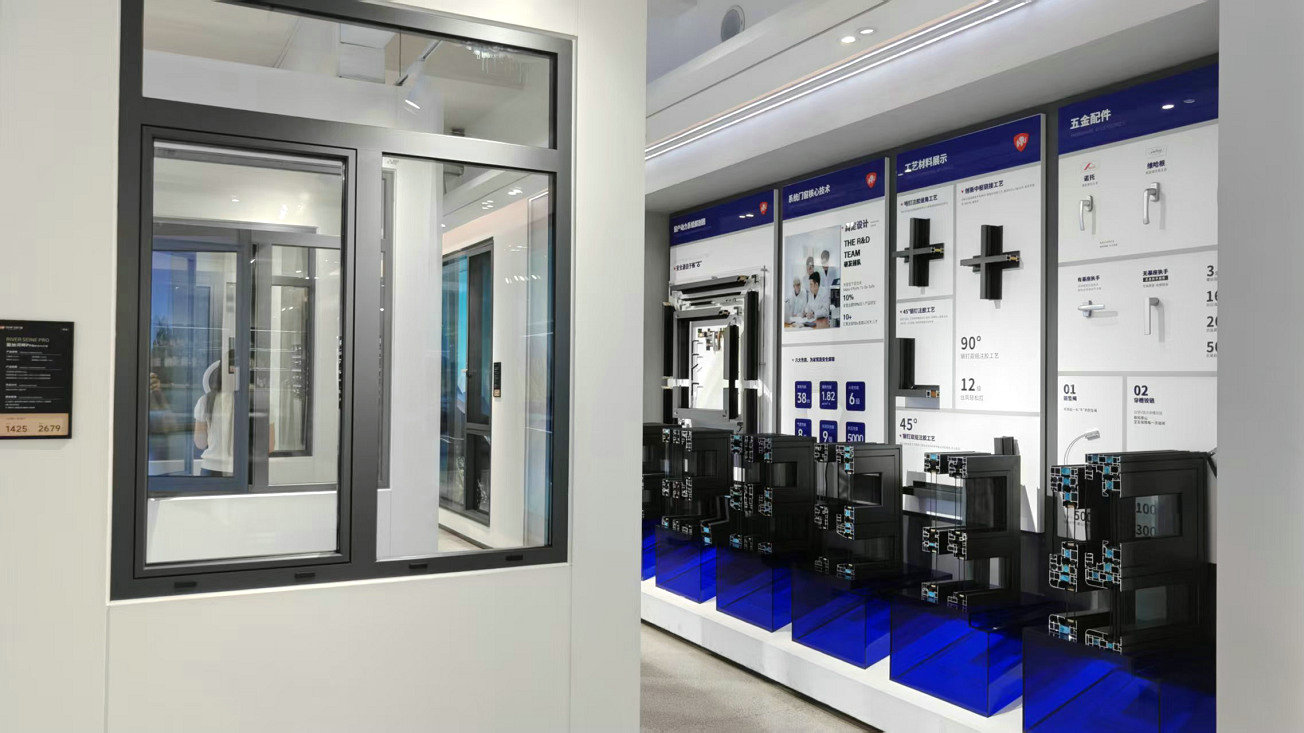
Standard monolithic aluminum window profiles feature high thermal conductivity ($K \approx 200\text{ W/m}\cdot\text{K}$). Left unmitigated, outdoor thermal energy rapidly conducts through the exterior metal frame into the building envelope. This causes interior energy loss, elevated HVAC utility expenditures, and damaging condensation accumulation along interior frame sightlines. Thermally broken window frames solve this physical limitation by inserting a reinforced non-conductive polyamide strip—most notably PA66 GF25 (Polyamide 66 reinforced with 25% structural glass fiber)—between the exterior and interior extruded aluminum profile sections.
Technical Insight: Why PA66 GF25 Material Selection Matters
Not all thermal break barriers perform identically under extreme climatic stress. Low-grade thermal strips made from PVC or unreinforced polymers expand and contract at rates vastly different from extruded aluminum alloy. This variance induces shear failure, micro-gapping, and air leakage over time. Guangdong SPD Doors & Windows Technology Co., Ltd. utilizes precision-crimped PA66 GF25 polyamide strips. Because PA66 GF25 shares a thermal expansion coefficient ($2.3 \times 10^{-5}/\text{K}$) virtually identical to architectural aluminum alloy ($2.35 \times 10^{-5}/\text{K}$), the composite frame maintains structural rigidity, airtight sealing, and thermal isolation across temperature swings ranging from $-40^\circ\text{C}$ to $+80^\circ\text{C}$.
Comprehensive Product Matrix: Recommended Ally Broken Aluminum Window Systems
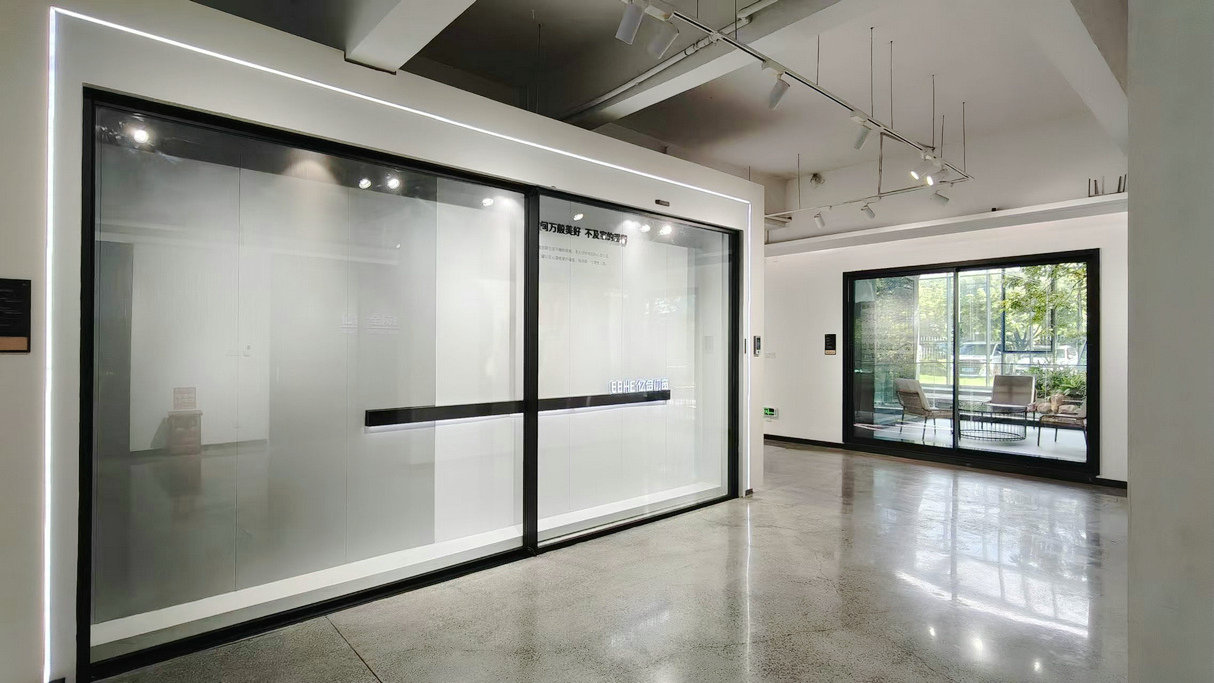
To assist facade consultants, architects, and procurement teams in specifying the correct frame profile configurations for commercial and residential developments, Guangdong SPD Doors & Windows Technology Co., Ltd. manufactures specialized thermally broken series tailored to distinct climatic zones and load requirements:
| System Category | Model Series | Profile Alloy & Break Width | Glazing Build-Up | Thermal Performance (U-Factor) | Primary B2B Application |
|---|---|---|---|---|---|
| Thermally Broken Casement Windows | SPD-TB75 Heavy Series | 6063-T5 Aluminum / 24mm PA66 GF25 | 5mm+12Ar+5mm Low-E Tempered Double Insulated | 1.6 - 1.9 W/m²K (NFRC Rated) | Luxury Residential Villas, High-Rise Apartments |
| Ultra-Insulated Tilt & Turn Windows | SPD-TT90 Passive Line | 6063-T6 Aluminum / 34mm Multi-Chamber Strip | 6mm+16Ar+6mm+16Ar+6mm Triple Low-E Glazing | 0.8 - 1.2 W/m²K (Passive House Standard) | Cold Climates, Energy-Efficiency Certified Builds |
| Lift & Slide Heavy Patio Frames | SPD-LSD140 Slim Frame | 6063-T5 Heavy Wall (2.0mm - 3.0mm) | 8mm+14Ar+8mm Toughened Safety Glass | 1.8 - 2.1 W/m²K | Hotel Balconies, Resort Oceanfront Openings |
| Commercial Structural Curtain Wall | SPD-CW160 Facade Framing | Architectural Extrusion Profile System | 10mm Low-E + 16Ar + 8mm Laminated Security Glass | 1.4 - 1.7 W/m²K | Commercial Office Towers, Retail Storefronts |
Future Global Procurement & Technology Trends (2025–2030)
The global architectural fenestration market is undergoing rapid evolution driven by stringent energy codes, carbon offset mandates, and AI-assisted building management systems. Global B2B buyers must anticipate several structural industry shifts when negotiating supply chain contracts for ally broken aluminum window frames:
1. Low-Carbon Recycled Alloys & EPD Certifications
International developers increasingly require Environmental Product Declarations (EPDs). Sourcing aluminum profiles extruded using clean hydro-electric energy and recycled post-consumer scrap dramatically reduces embodied carbon metrics for LEED and BREEAM building accreditations.
2. Multi-Chamber Polyurethane Foam Infill
Next-generation thermal break profiles integrate multi-chamber polyamide strips filled with expanded polyurethane or aerogel insulation foams. This design reduces internal radiative and convective heat transfer inside profile cavities, pushing frame U-factors below 0.8 W/m²K.
3. Ultra-Slim Sightlines with Extreme Wind Resistance
Modern architectural aesthetics demand maximized glass area with ultra-narrow visible aluminum profiles (slim-line sightlines down to 20mm). Engineering high-tensile 6063-T6 alloy frames ensures these minimal frames withstand extreme typhoon and hurricane-force wind loads.
4. Integrated Smart Sensors & Automated Drive Hardware
Commercial building procurement is shifting toward automated window systems. Frame profiles must now feature internal wireways and concealed actuator cavities to support automated ventilation, smoke evacuation systems, and building management system (BMS) integration.
Enterprise Strength: Guangdong SPD Doors & Windows Technology Co., Ltd.
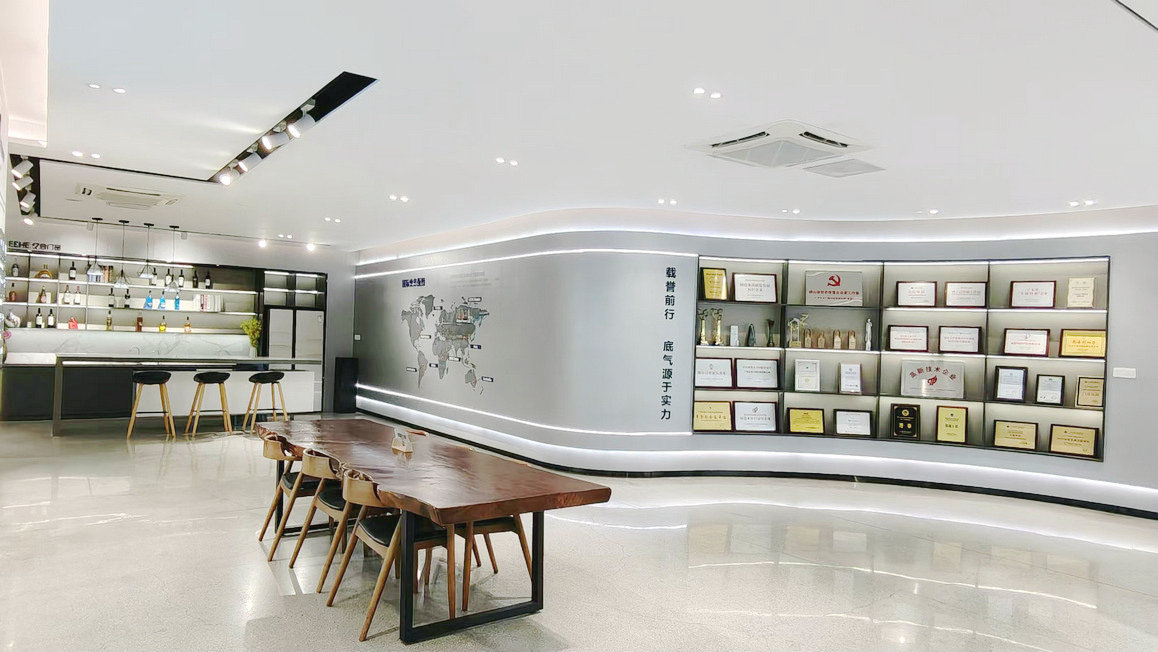
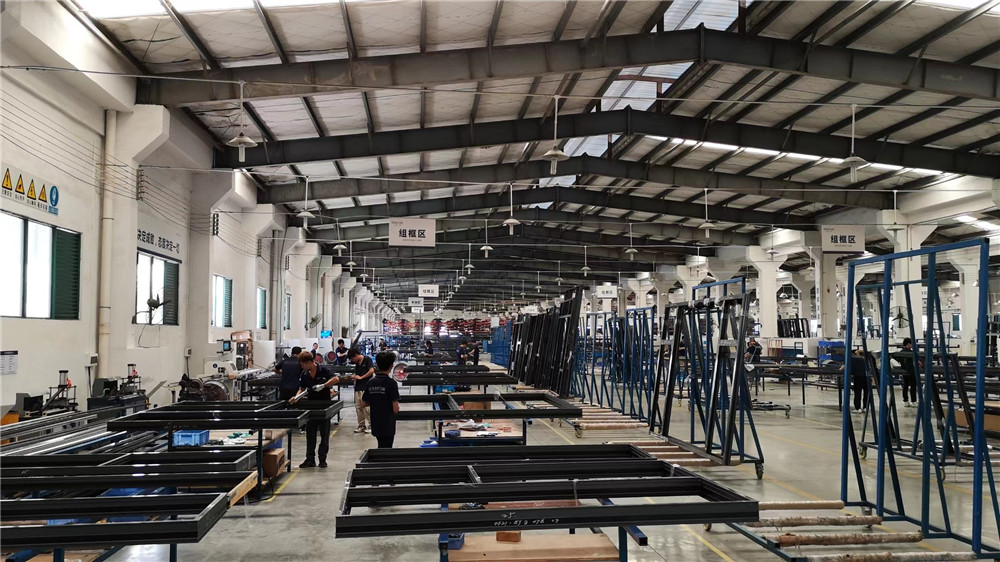
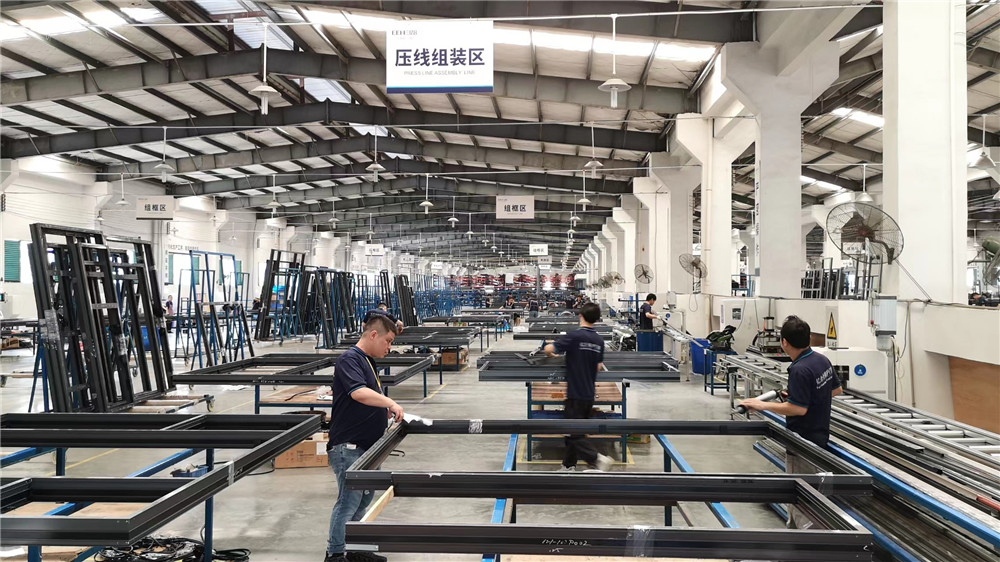
Selecting an OEM/ODM manufacturing partner in China's architectural hub of Foshan requires verifying production capacity, quality assurance protocols, and export logistics track records. Guangdong SPD Doors & Windows Technology Co., Ltd. stands as an industry leader with comprehensive vertical integration.
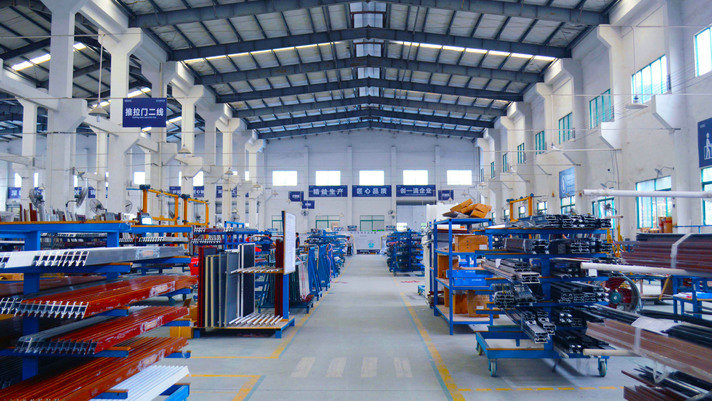
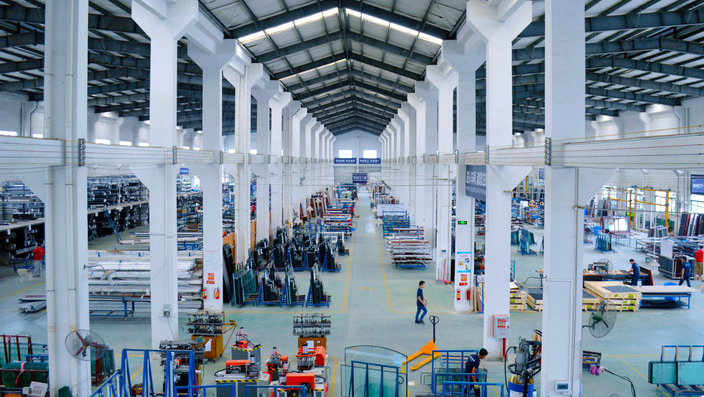
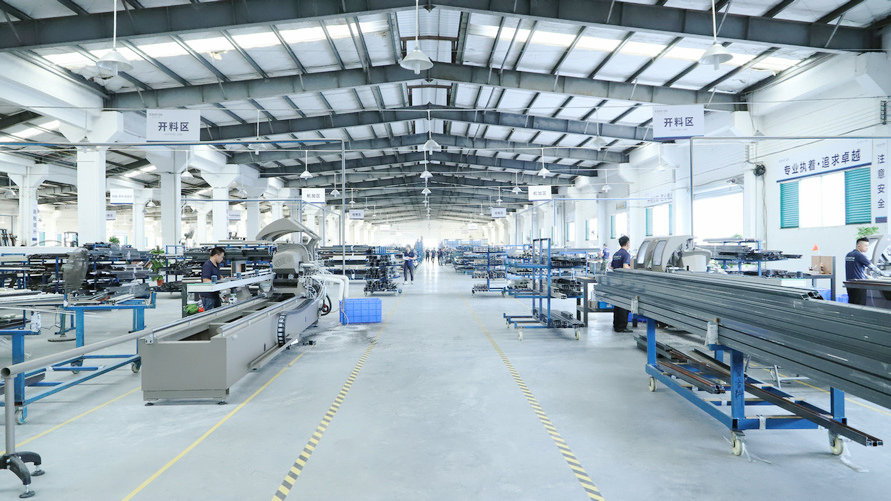
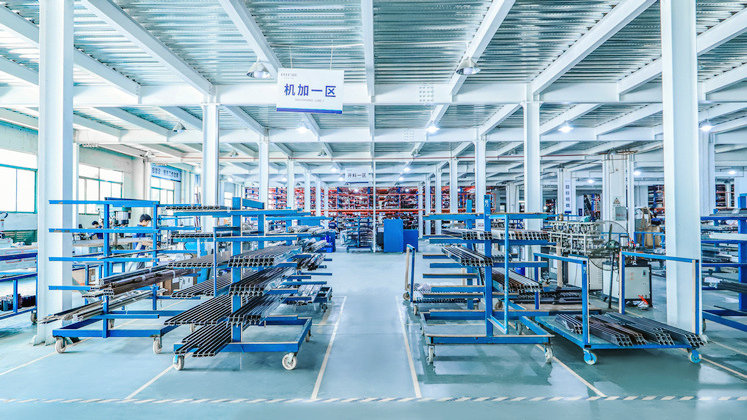
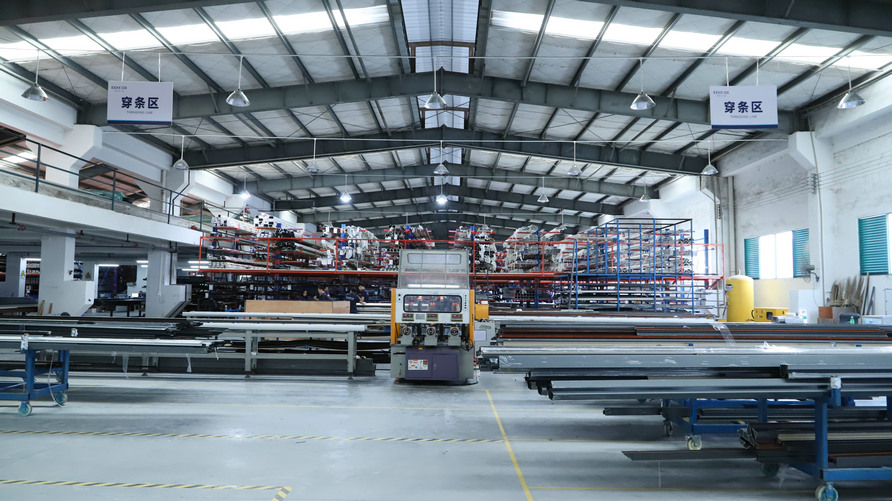
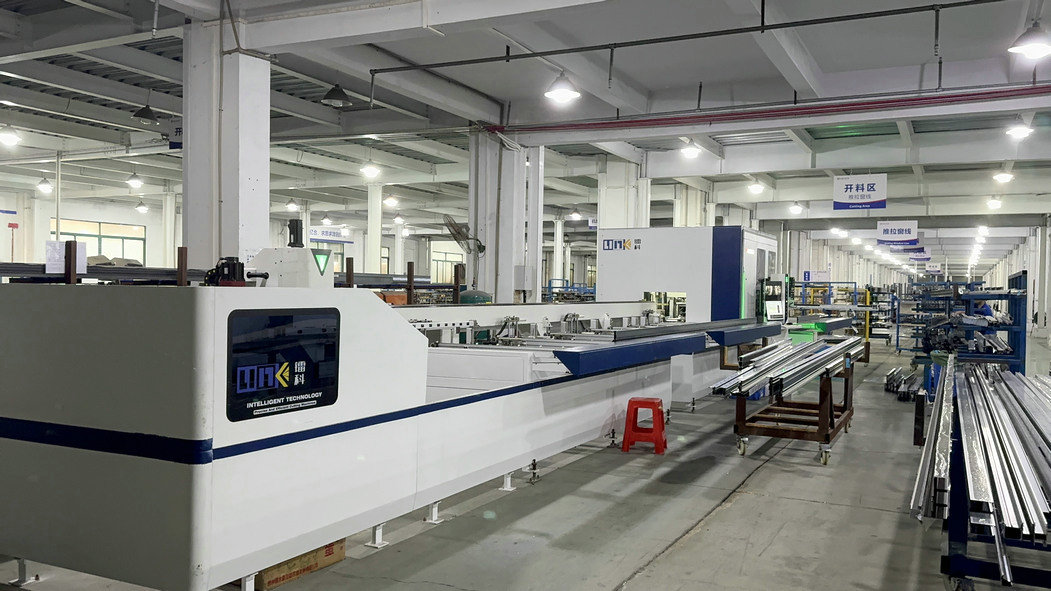
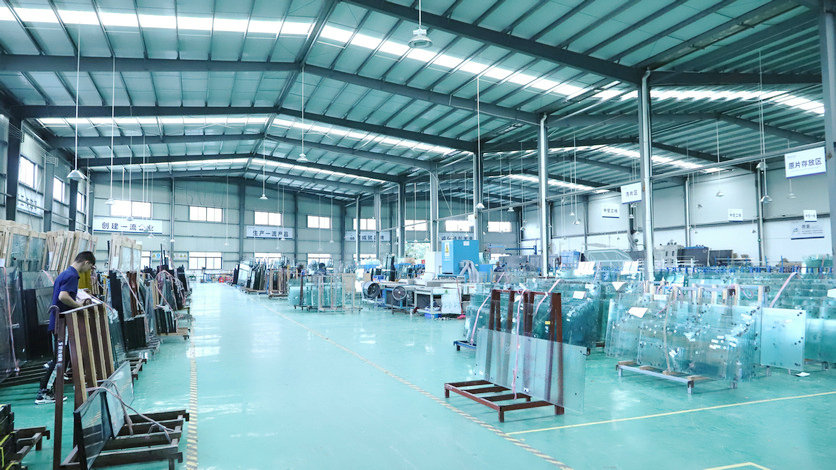
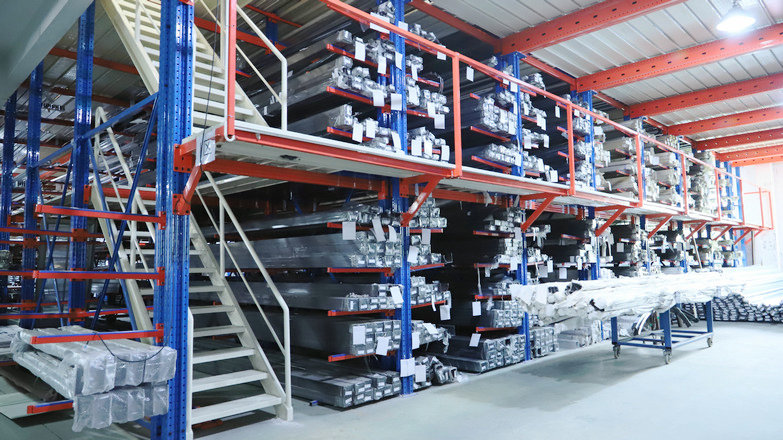
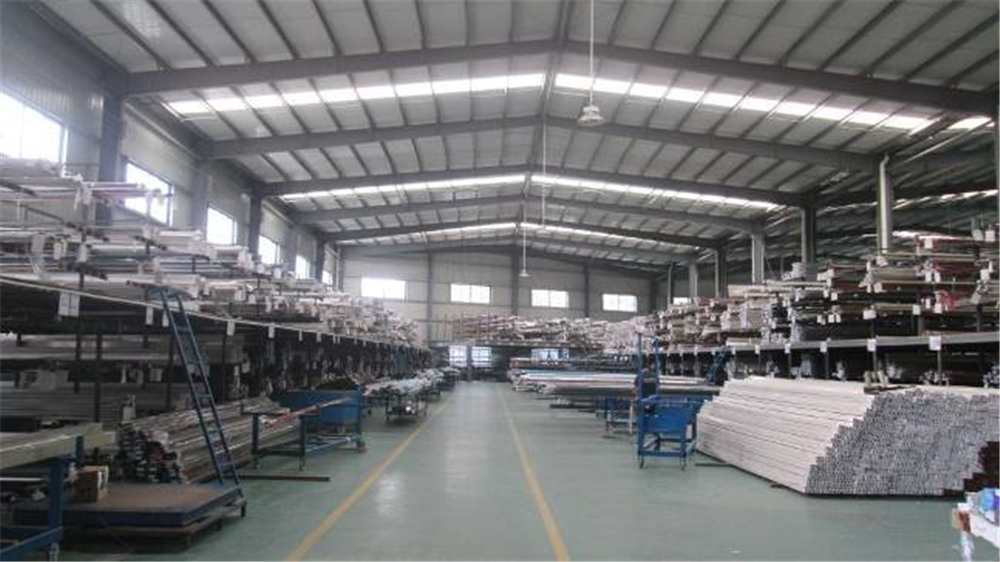
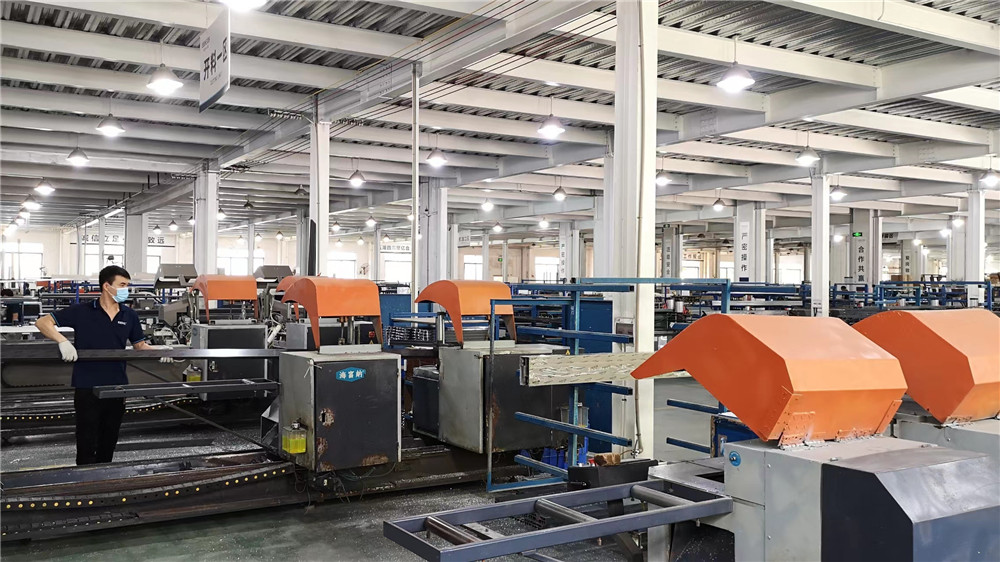
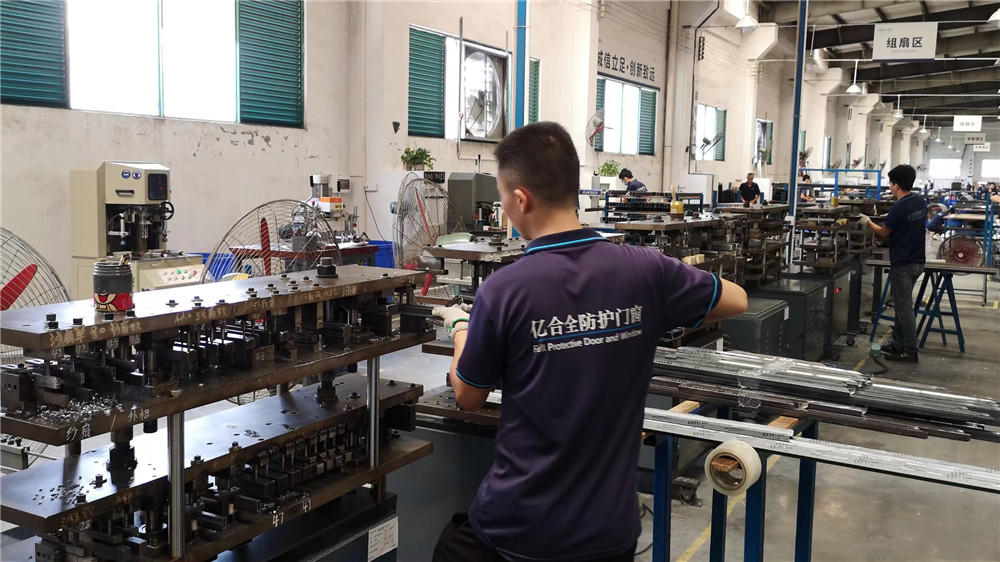
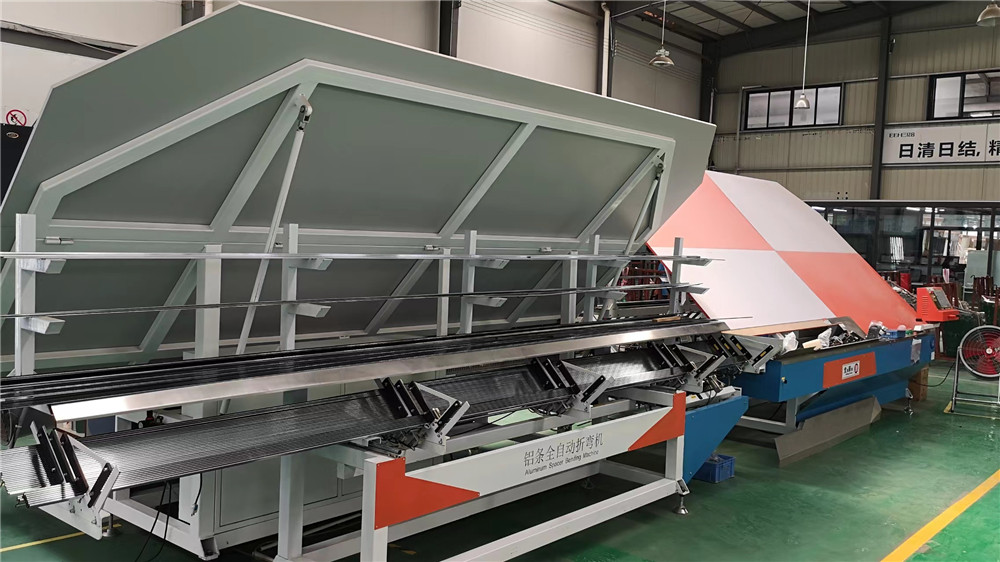
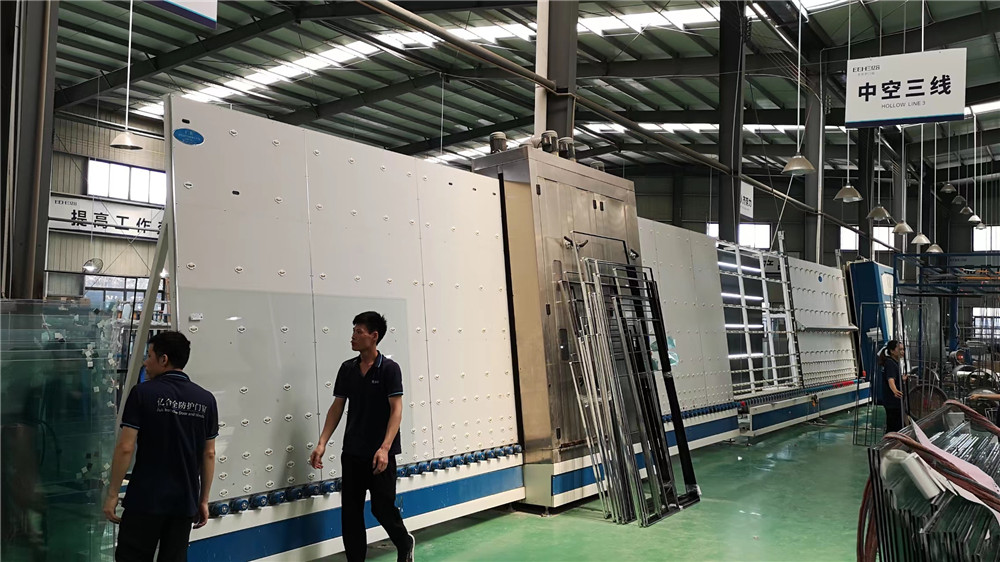
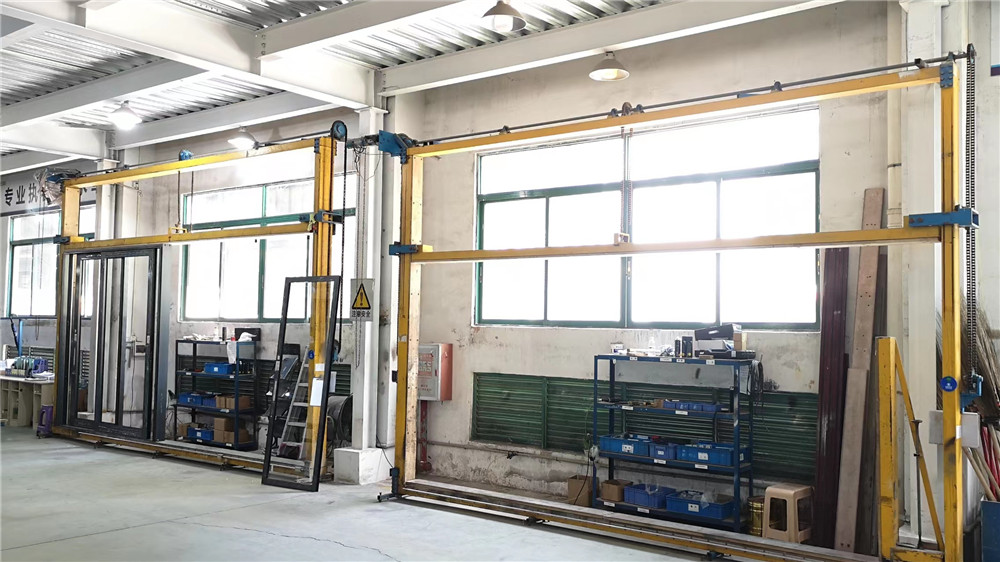
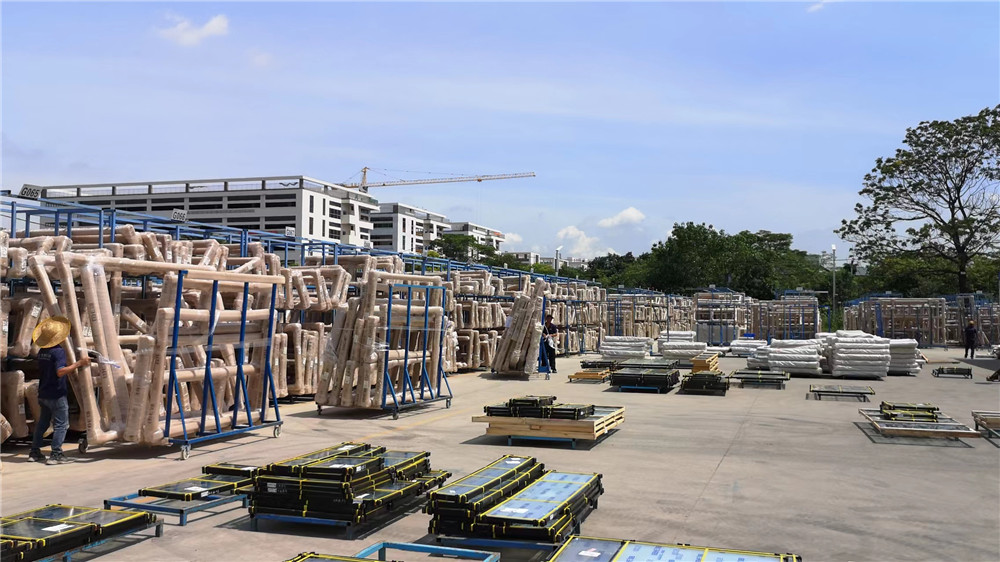
Operating a massive 100,000 m² manufacturing facility powered by a workforce of 560 skilled professionals, Guangdong SPD Doors & Windows Technology Co., Ltd. delivers end-to-end control over the entire production cycle—from architectural profile aluminum extrusion and thermal bridge crimping to automated powder coating, fluorocarbon (PVDF) spraying, double/triple insulated glass processing, and final product assembly.


Why B2B Buyers Partner with Guangdong SPD Doors & Windows Technology Co., Ltd.
- SGS Audited Facility: Production lines, worker safety standards, and factory floor throughput are verified independently on-site by SGS inspection auditors.
- 6 Proprietary R&D Patents: Breakthrough innovations in multi-cavity water drainage, concealed hinge structural load distribution, and continuous EPDM corner gasket sealing.
- Comprehensive Certifications: Tested window and door series certified for North American NFRC/AAMA ratings, Australian AS2047 benchmarks, and European CE marking.
- Custom OEM & ODM Engineering: Dedicated facade engineers convert architectural CAD/BIM models into detailed shop drawings, custom extrusion dies, and structural calculations.
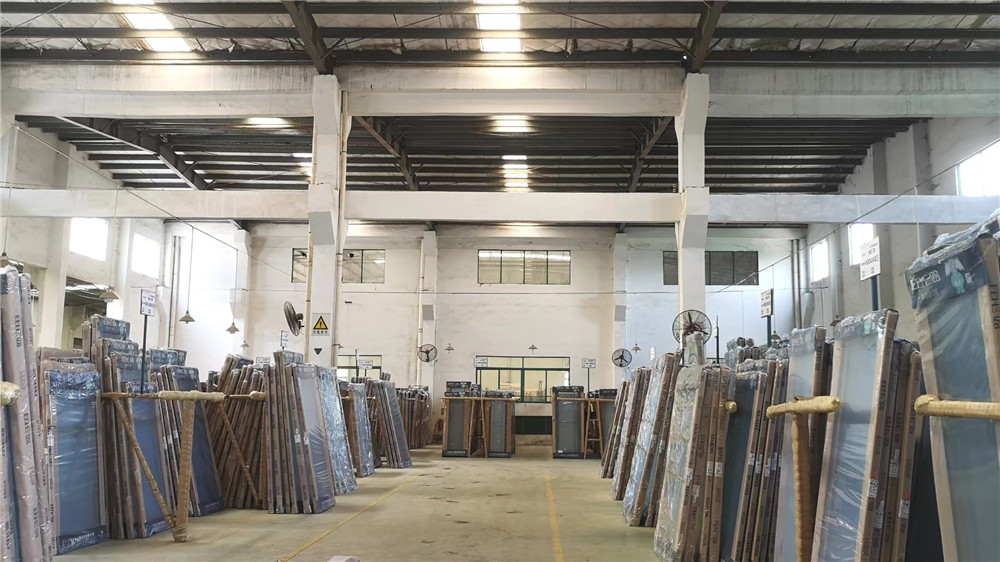
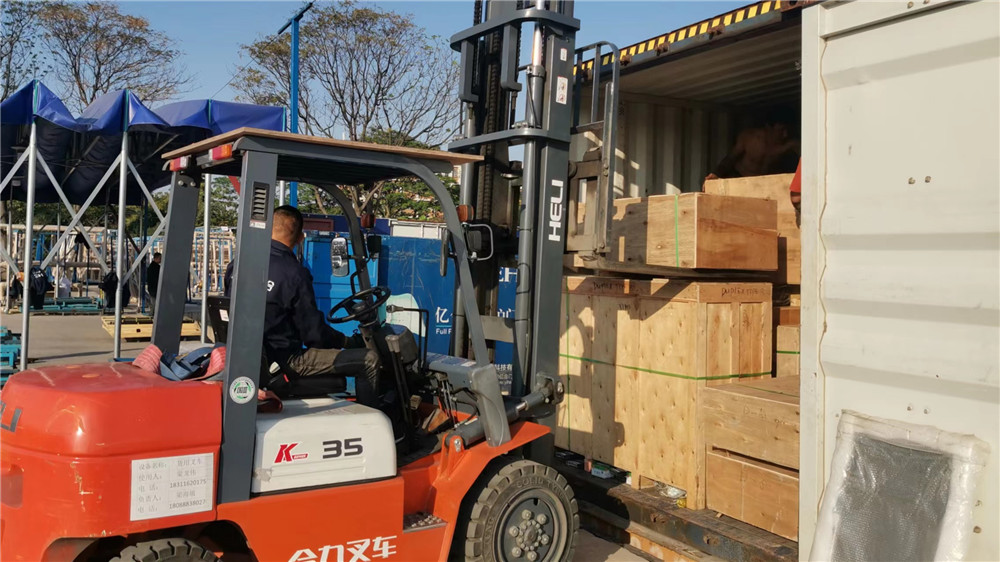
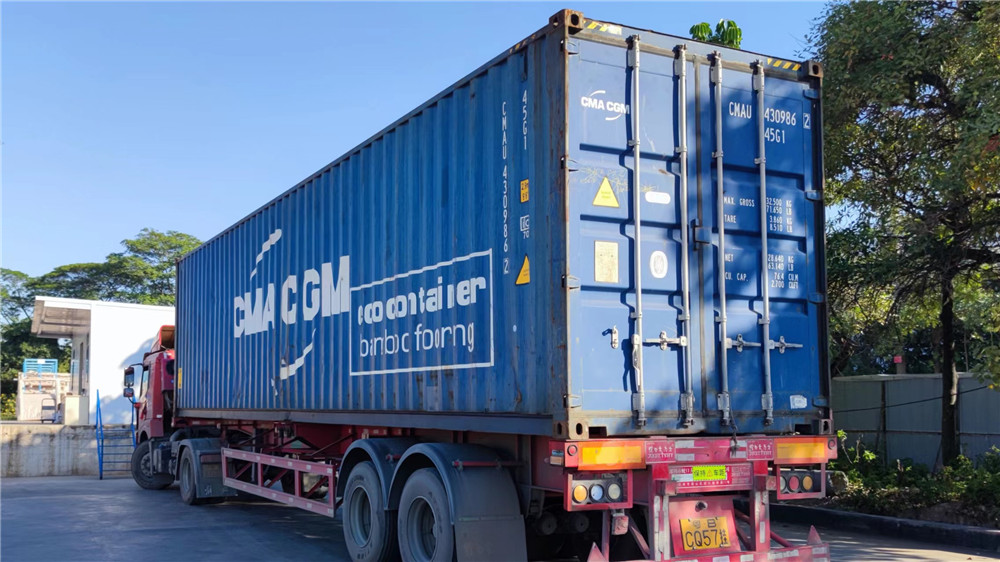
- Export Rigor: Over 18 years serving commercial developers across North America, Europe, Australia, and the Middle East with robust export packaging (protective film, foam edge corner wraps, steel-banded plywood crates).
Request Engineering Support & Factory Direct Quotations
Provide your project window schedule or CAD drawings. Our technical engineering team will deliver profile recommendations, thermal U-factor calculations, and factory-direct pricing within 24 hours.
Contact UsFrequently Asked Questions (FAQ) for Global B2B Buyers
What does "ally broken aluminum window frames" mean in architectural engineering?
"Ally broken aluminum window frames" (commonly queried as alloy thermally broken bridge aluminum frames) refer to high-strength 6063-T5 aluminum alloy profile extrusions separated by a structural polyamide thermal insulation barrier (such as PA66 GF25). This barrier breaks the conductive heat transfer path between indoor and outdoor profile faces, yielding low U-factors and preventing thermal bridging.
How does PA66 GF25 thermal break strip quality impact long-term frame performance?
Polyamide 66 reinforced with 25% glass fiber (PA66 GF25) shares a nearly identical thermal expansion coefficient with architectural aluminum alloys. This prevents structural shear failure, warping, or air leakage across extreme seasonal temperature fluctuations, retaining airtightness and structural load integrity over 30+ years.
Can Guangdong SPD Doors & Windows Technology Co., Ltd. customize frame profiles for NFRC, CE, or AS2047 codes?
Yes. Guangdong SPD Doors & Windows Technology Co., Ltd. manufactures fully engineered custom profiles compliant with global performance standards including NFRC thermal performance ratings, North American AAMA specs, Australian AS2047 wind load/water penetration requirements, and European CE EN 14351-1 standards.
What are the minimum order quantities (MOQ) and lead times for export orders?
For custom B2B projects, our baseline MOQ is flexible depending on extrusion complexity (typically 50-100 m² for project orders or container volume for distributors). Production lead times generally range from 20 to 35 calendar days following shop drawing sign-off.
How do PVDF fluorocarbon coatings compare with standard powder coatings for coastal projects?
PVDF (fluorocarbon) surface treatments utilize 70% resin formulations offering superior UV degradation resistance, salt spray durability, and chalking protection—essential for coastal zones (C4/C5 corrosion environments). Powder coating remains a cost-effective, durable choice for standard interior and inland urban developments.
What quality assurance procedures does Guangdong SPD Doors & Windows Technology Co., Ltd. implement before loading?
Every order undergoes a multi-stage QA protocol: raw profile wall thickness inspection, thermal break crimp shear testing, corner joint alignment check, finished unit air/water chamber testing, and final visual inspection. Units are then wrapped in protective film, corner-guarded, and crated for overseas container logistics.