The Engineering Science Behind Energy Efficient Aluminum Glass Doors
Why modern B2B procurement demands thermal break isolation, low emissivity coatings, and engineered multi-chamber airtight sealing systems over standard commercial aluminum frames.
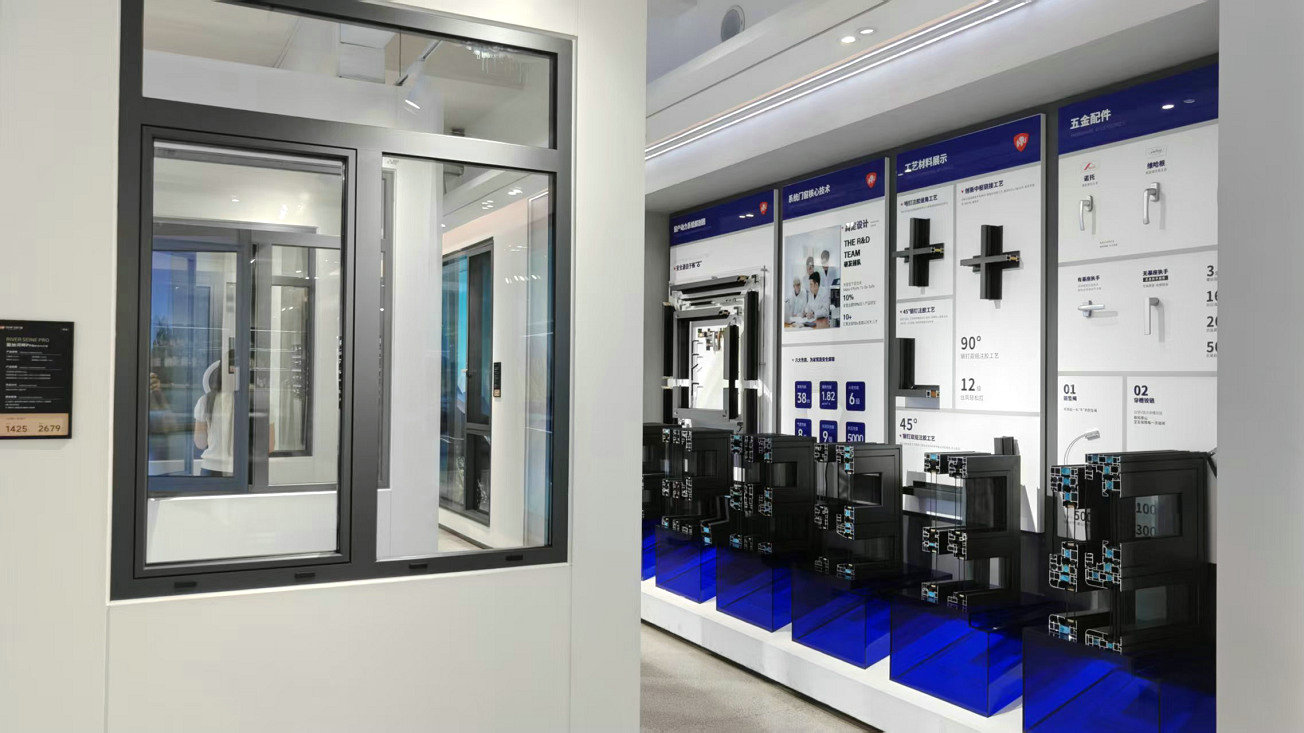
Standard architectural aluminum possesses high thermal conductivity (approx. 160–200 W/m·K). Without structural thermal isolation, glass doors act as thermal bridges, transmitting extreme exterior temperatures directly inside, increasing HVAC power usage and causing heavy condensation. To achieve true compliance with modern energy codes such as NFRC, Title 24, and EU Passive House standards, Guangdong SPD Doors & Windows Technology Co., Ltd. integrates precision-engineered Polyamide 66 reinforced with 25% glass fiber (PA66 GF25) thermal barrier strips inside all extruded door profiles.
This structural separation stops conductive heat transfer in its tracks. Combined with double or triple insulated glass units (IGU) equipped with Low-E coatings, warm-edge spacers, and 90%+ Argon gas fills, the total system U-factor (Uw) drops down to 1.1 - 1.6 W/m²K. The result is superior thermal retention in freezing northern winters and massive heat gain rejection under tropical summer sun conditions.
PA66 GF25 Polyamide Strips: High shear strength and thermal expansion co-efficient matching aluminum alloy.
Argon Gas Cavity: Low conductivity inert gas reduces convective heat circulation between glass panes.
Low U-FactorEngineered for zero-carbon building standards
Product Selection Matrix
Top-Rated Energy Efficient Aluminum Glass Door Systems
Engineered specifically for international commercial projects, luxury residential developments, and high-end architectural developments.
Lift & Slide
Heavy-Duty Thermal Lift & Slide Glass Doors
Engineered for expansive architectural openings. Features heavy-duty precision rollers and lift-and-slide operation that drops the door onto continuous EPDM gaskets to lock out air infiltration completely when closed.
Makes a dramatic architectural statement while providing acoustic quiet and thermal protection. Customized with sidelights, transoms, smart access locks, and high-impact tempered glass build-ups.
Built for continuous high-traffic commercial environments including retail centers, offices, and hotels. Combines reinforced aluminum wall thickness with heavy-duty closers and insulated Low-E tempered safety glass.
Maximizes natural daylight through narrow structural aluminum sightlines without compromising energy performance. Uses hidden structural frame frames embedded in walls with double-sealed thermal breaks.
Future Development Trends in Energy Efficient Aluminum Doors
What global developers, architectural specifiers, and B2B importers need to know to stay competitive over the next decade.
1. Net-Zero & Carbon Neutrality Regulations
Governments across North America, Europe, Australia, and the Middle East are mandating strict building envelope thermal targets. Future procurement prioritizes suppliers offering verified Environmental Product Declarations (EPD) and low embodied carbon recycled aluminum.
2. Next-Gen Vacuum Insulated Glass (VIG)
The industry is transitioning from standard double/triple argon IGUs to Vacuum Insulated Glass (VIG). VIG technology provides super-insulated thermal barriers (U-values below 0.6 W/m²K) inside a ultra-slim profile footprint, allowing sleeker aluminum frame designs.
3. Electrochromic Smart Glazing Integration
Dynamic smart glass that changes tint according to sun intensity is rapidly being integrated into thermal break aluminum doors. This reduces solar heat gain coefficient (SHGC) dynamically, eliminating the need for exterior blinds and maximizing indoor HVAC savings.
4. Automated Thermal Sensor Actuation
Smart building automation systems (BMS) now interface directly with motorized aluminum glass sliding doors, automatically adjusting micro-ventilation settings based on interior humidity, CO2 levels, and external climate conditions.
How to Standardize Energy Efficient Aluminum Door RFQs
Incomplete door schedules lead to cost overruns and compliance failures. Use our engineering matrix to specify exact thermal performance parameters for your project.
U-Factor & Thermal Transmittance
Ensure the supplier quotes whole-window U-value (Uw) rather than center-of-glass U-value (Ug). Thermal break profiles are necessary to achieve Uw ratings below 1.8 W/m²K.
Solar Heat Gain Coefficient (SHGC)
In hot or sunny regions, specify glass with low SHGC (0.22 - 0.30) to block solar radiation heat while preserving daylight illumination.
Acoustic Rating (STC / OITC)
Combine thermal break profiles with asymmetric laminated glass (e.g. 6mm + 1.52PVB + 5mm) to achieve acoustic reduction exceeding STC 40 dB for urban sites.
Structural Wind Pressure (Pa)
High-rise and coastal projects require reinforced profile wall thicknesses (2.0mm - 3.0mm) tested to resist heavy wind loads up to 4500 Pa.
Custom parameters manufactured according to architectural drawings by Guangdong SPD Doors & Windows Technology Co., Ltd.
Why Global Importers Partner with Guangdong SPD Doors & Windows Technology Co., Ltd.
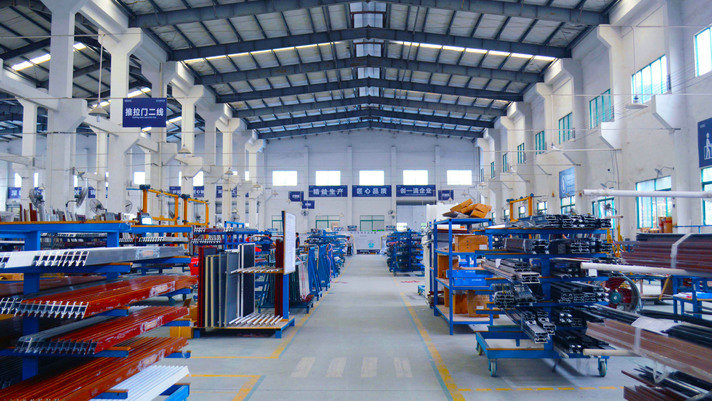
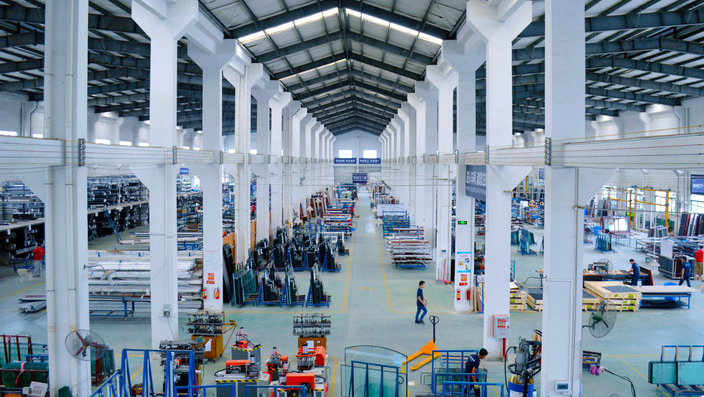
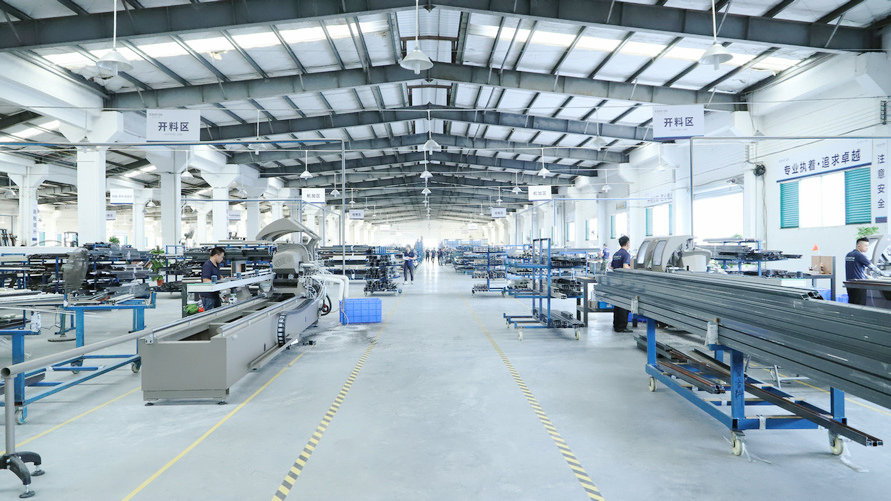
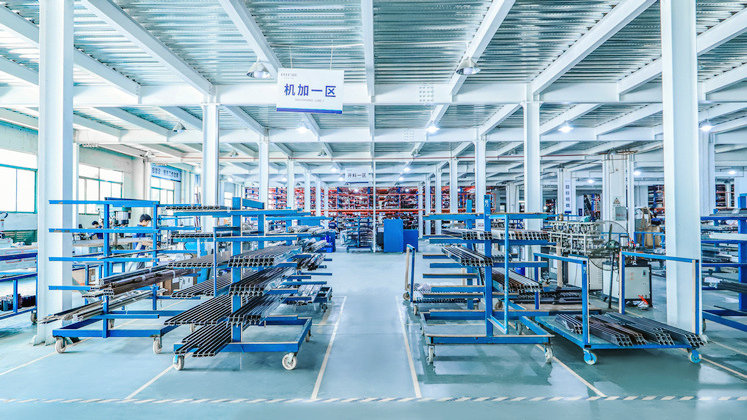
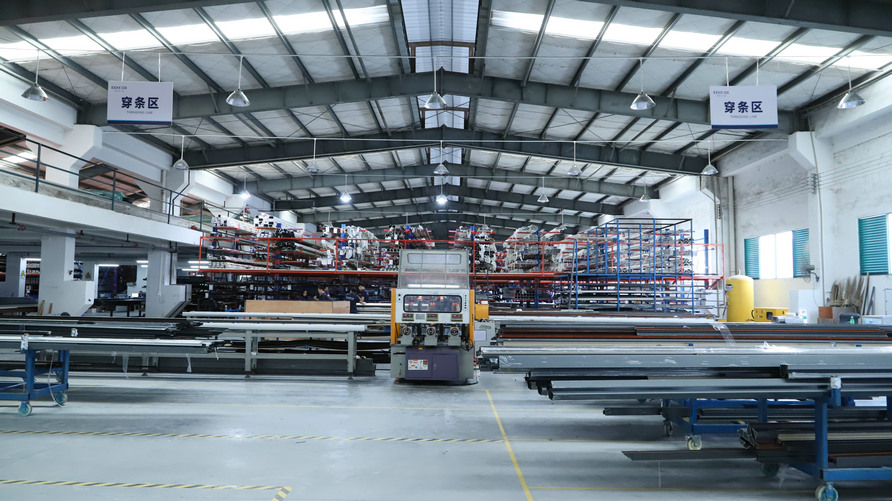
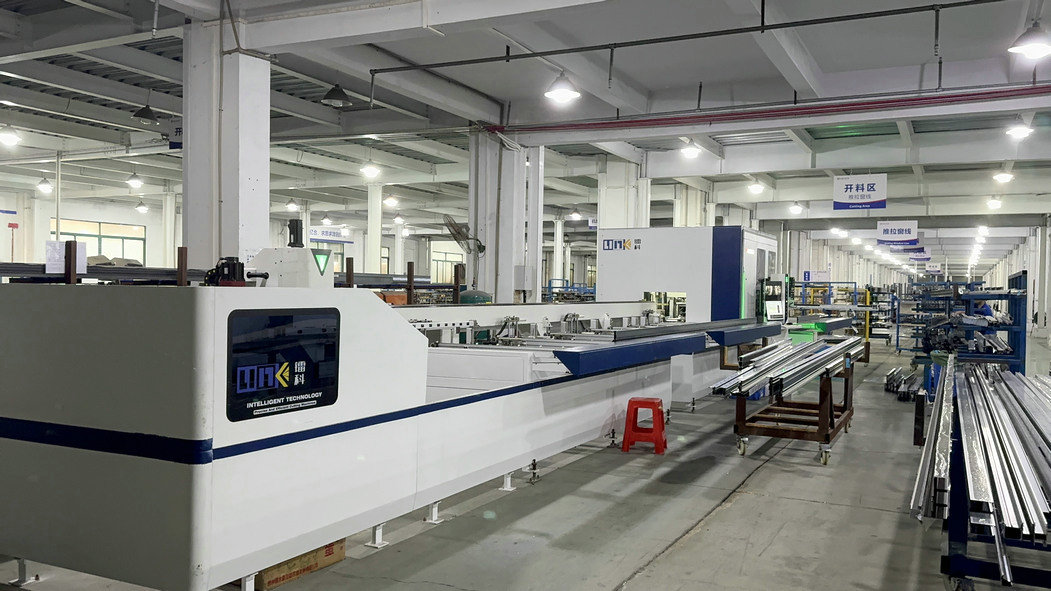
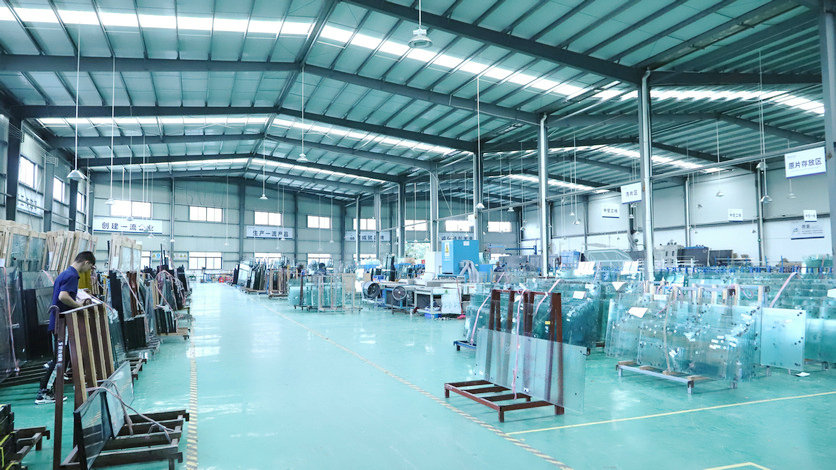
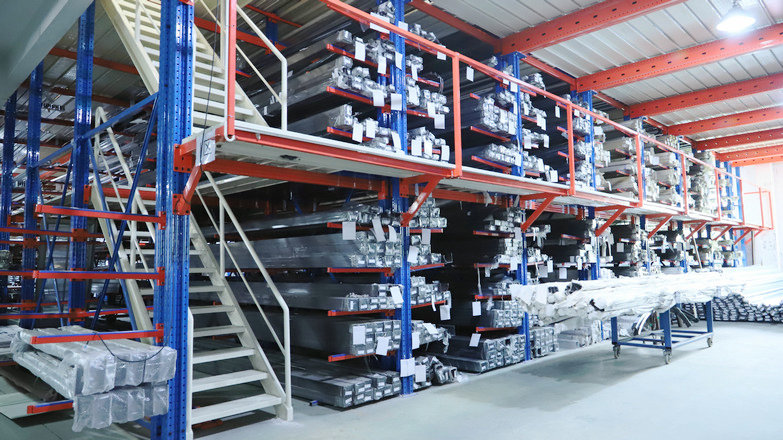
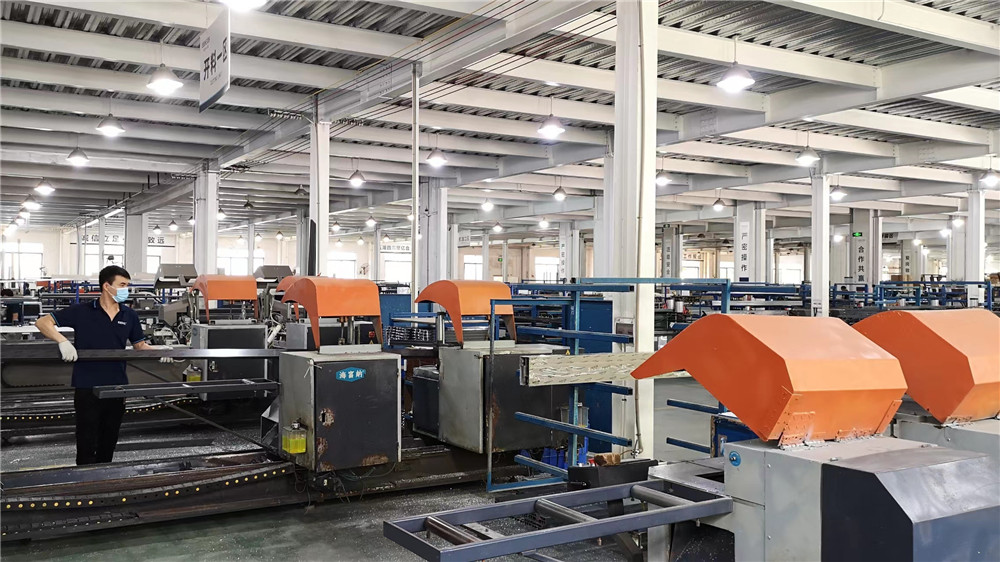
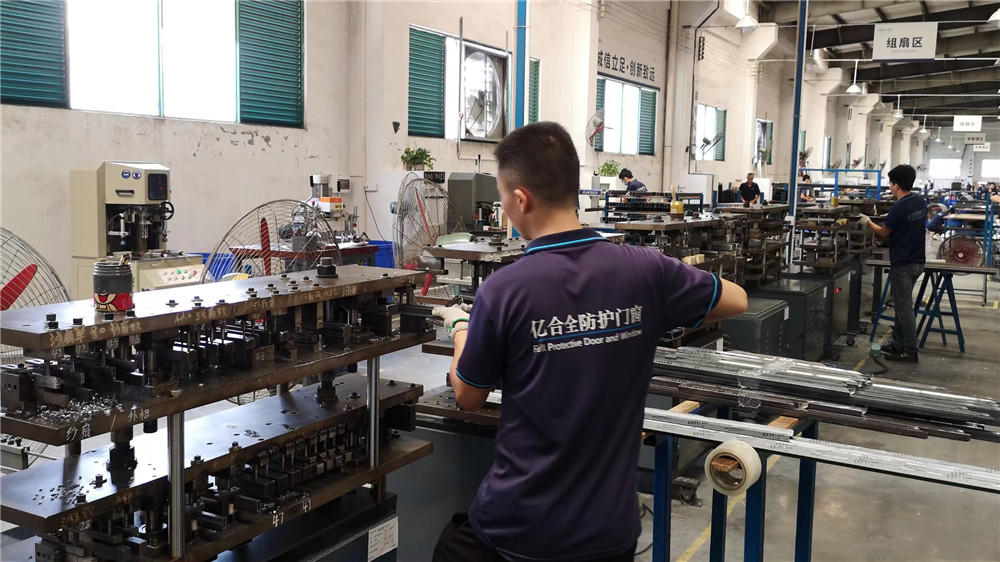
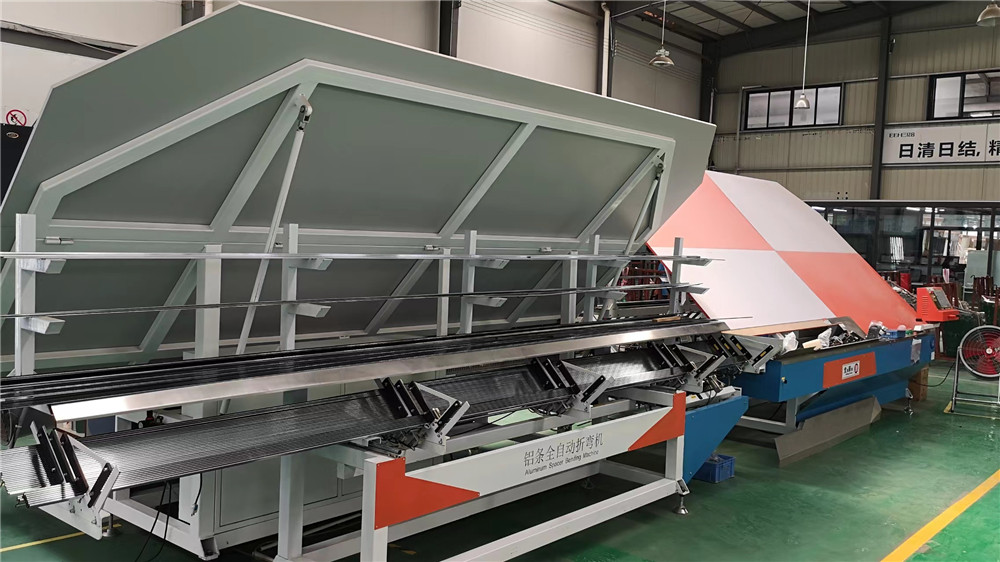
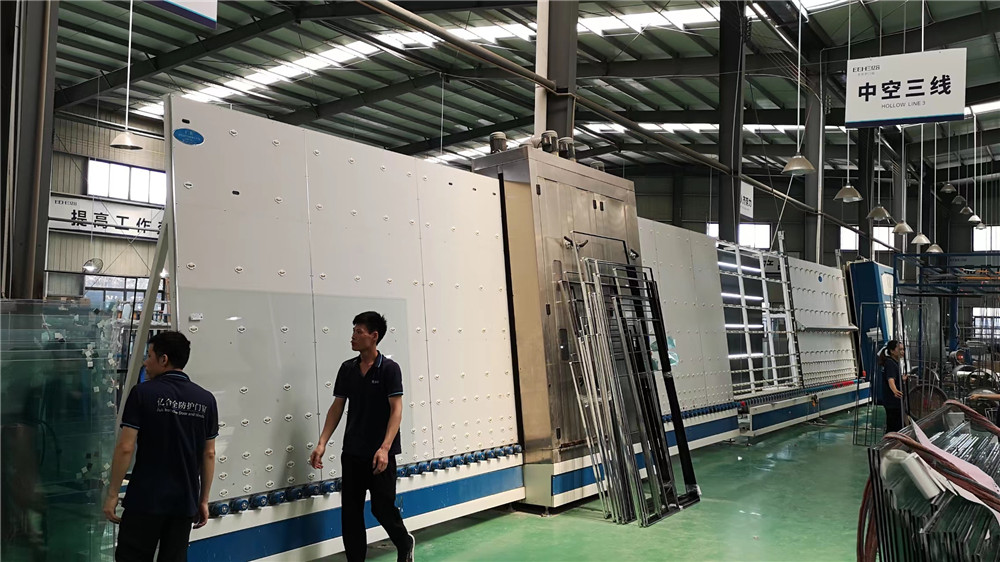
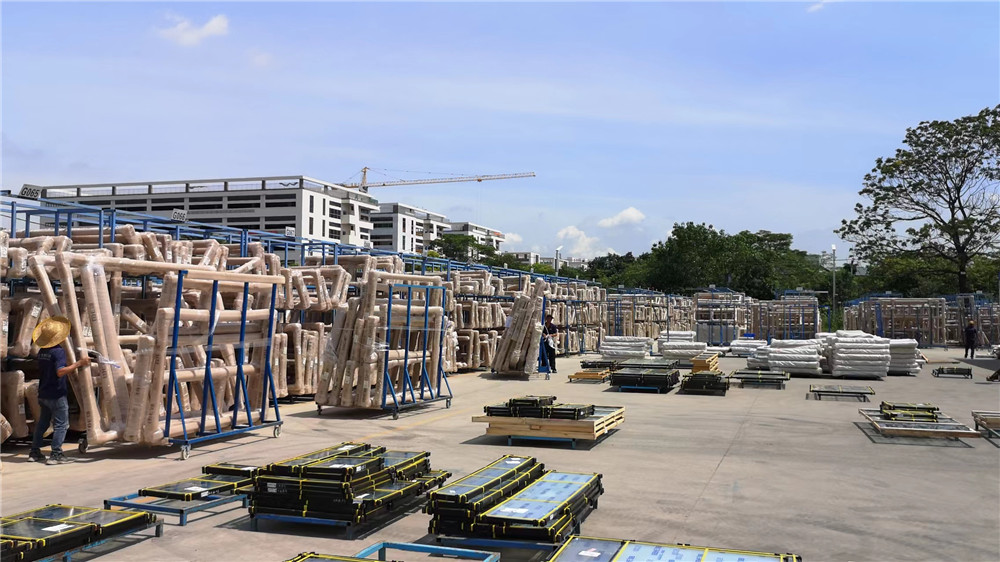
Located in Foshan, China's premiere architectural aluminum hub, Guangdong SPD Doors & Windows Technology Co., Ltd. operates a massive 100,000 m² state-of-the-art manufacturing facility backed by over 18 years of specialized export experience. Verified on-site by SGS, our factory combines advanced German CNC profile machining center lines, automated glass insulated assembly lines, and rigorous quality assurance labs under one roof.
With 560 skilled workers and 6 proprietary invention patents, we cater to architectural developers, general contractors, and B2B door distributors in over 80 countries. We offer comprehensive design-based engineering, structural calculations, custom extrusion tooling, and OEM/ODM services tailored to regional building codes.
Foshan Supply Chain Synergies: Raw material access to premium 6063-T5 aluminum profiles and top glass coaters.
Strict 100% QC Inspection: Every unit undergoes frame squareness, seal compression, and air lock testing before crate loading.
NFRC & Global Compliance: Product lines certified for thermal efficiency in North America, Europe, and Australasia.
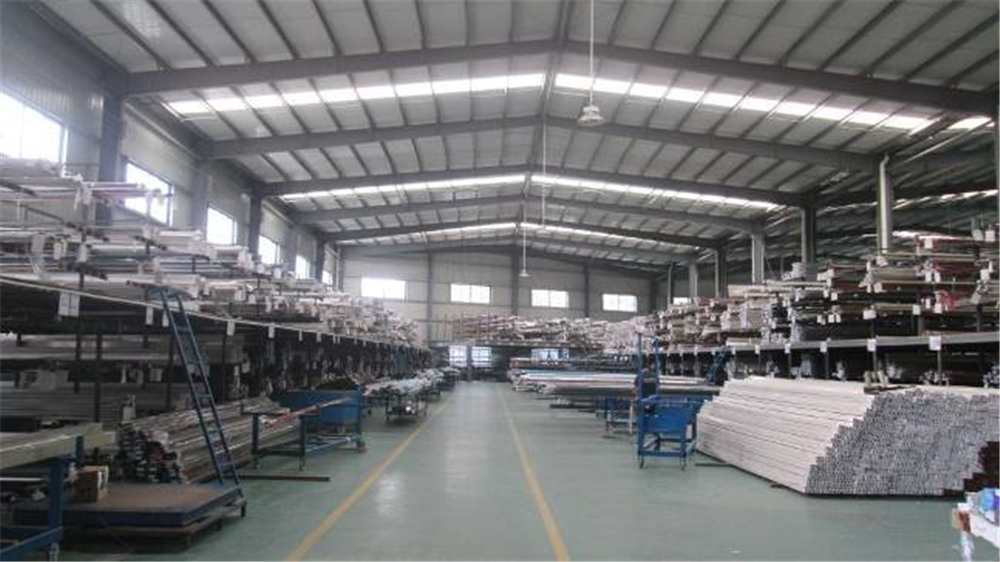
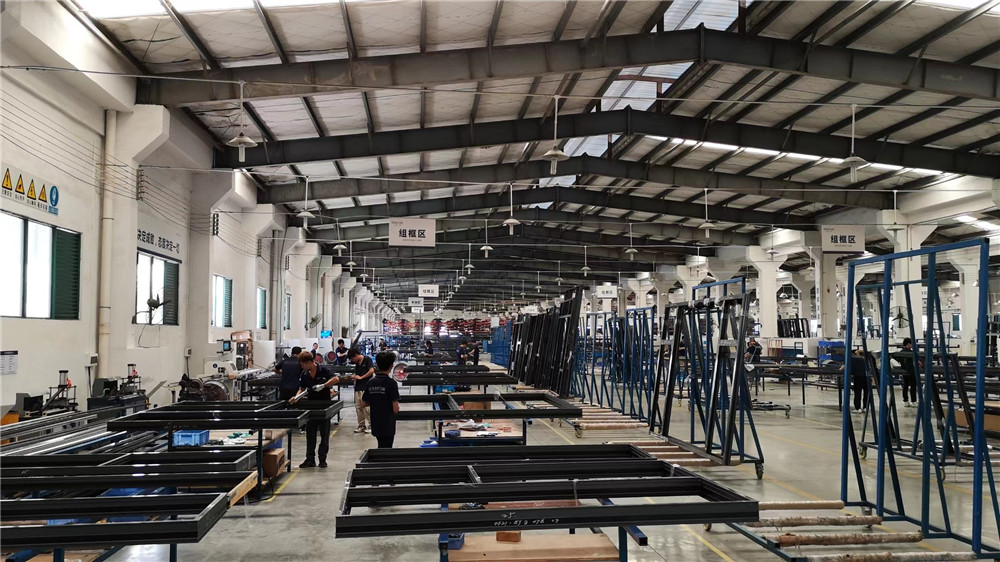
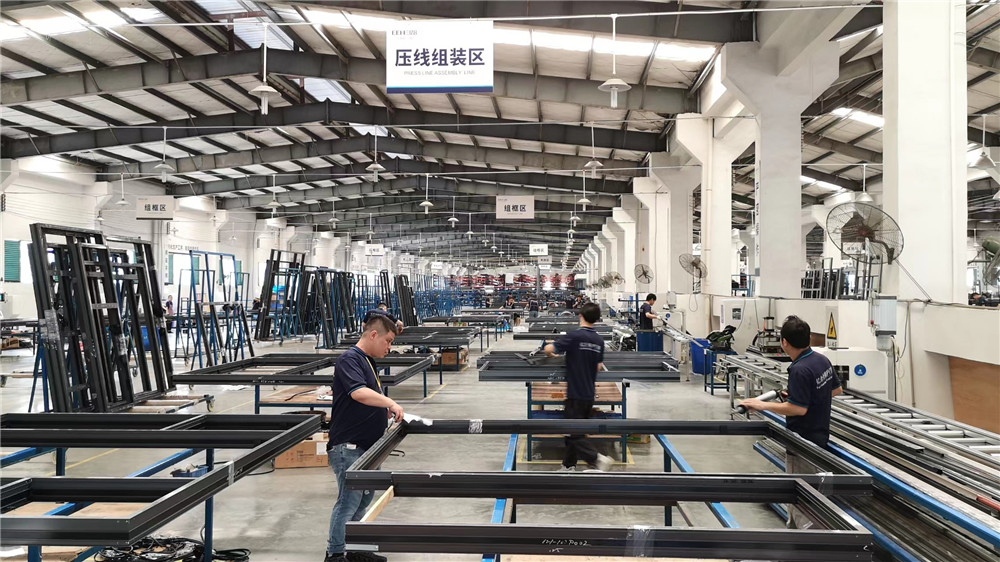
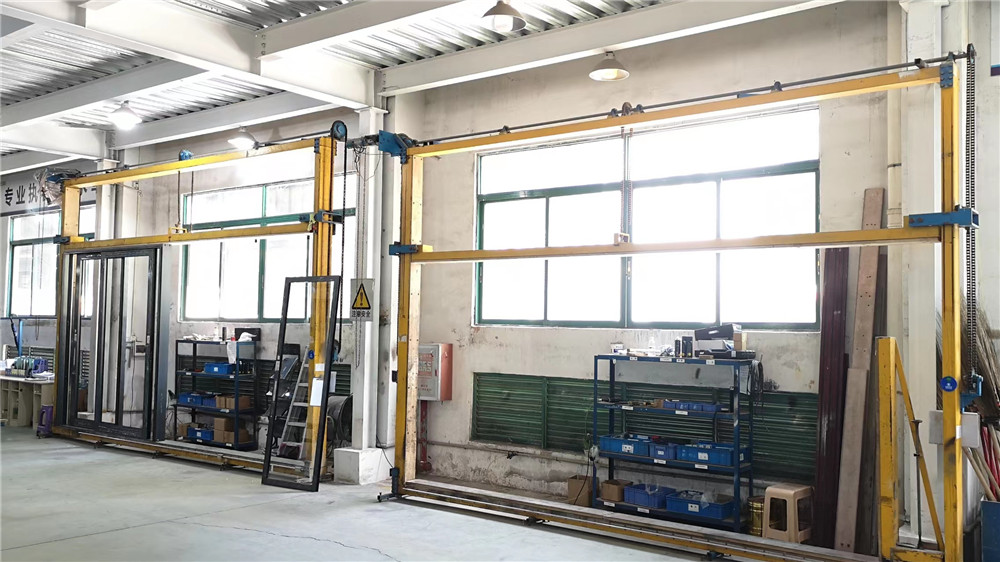
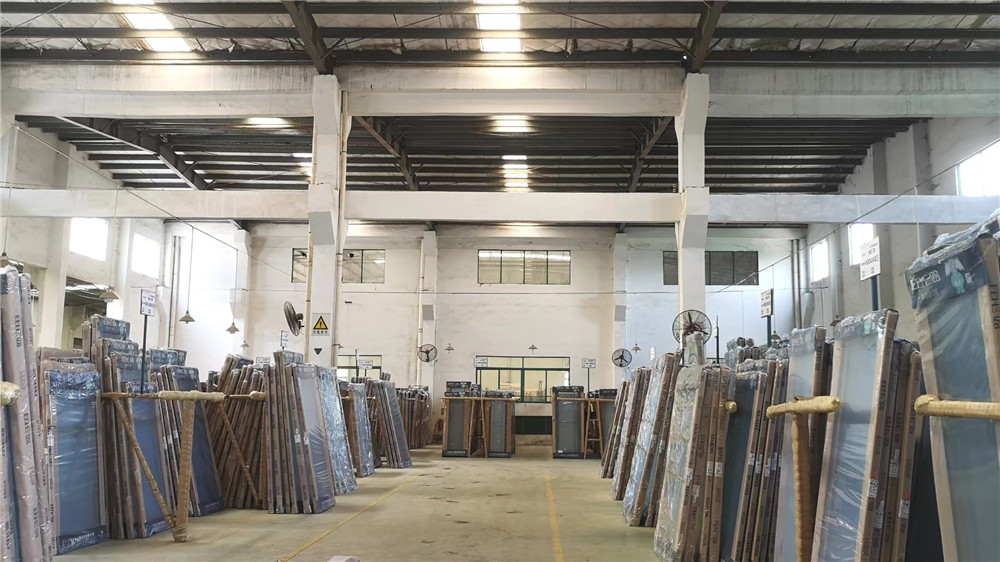
In-House Manufacturing & Quality Control Operations
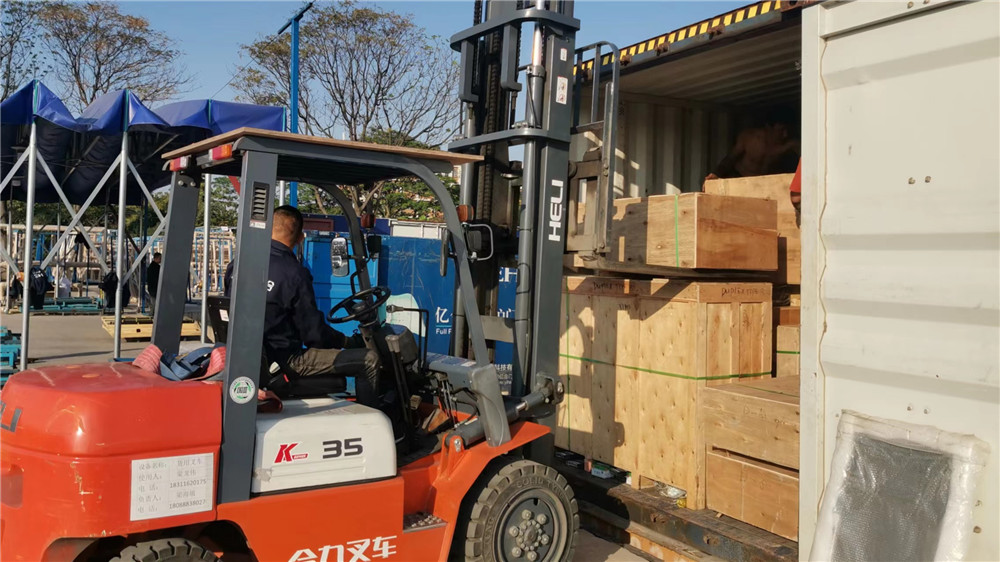
Explore real production imagery from Guangdong SPD Doors & Windows Technology Co., Ltd. detailing our precision extrusion processing, insulated glazing lines, and export packing.
How do energy efficient aluminum glass doors achieve low U-factors compared to standard aluminum systems?
Energy efficient aluminum glass doors manufactured by Guangdong SPD Doors & Windows Technology Co., Ltd. utilize structural polyamide thermal break strips (PA66 GF25) that mechanically separate interior and exterior aluminum profiles. This breaks the conductive thermal bridge. When integrated with double or triple insulated glass units (IGU), Low-E metallic coatings, argon gas fills, and warm-edge spacer bars, system U-factors drop to 1.1–1.6 W/m²K, slashing HVAC thermal energy losses by up to 45%.
What structural certifications and test reports are available for export compliance?
Our door systems undergo rigorous laboratory testing for air tightness (ASTM E283), water penetration resistance (ASTM E331), and structural wind loading (ASTM E330). Select series hold NFRC certification for North American energy compliance, and our 100,000 m² Foshan production plant is audited and verified on-site by SGS.
Why choose thermal break aluminum glass doors over UPVC or timber for commercial projects?
Aluminum provides far higher tensile strength than UPVC or timber, enabling oversized glass panels and slimmer frame profiles without structural sagging. While timber expands, warps, and requires constant refinishing, and UPVC degrades under UV light, thermally broken aluminum offers non-combustible durability, zero maintenance, and equivalent or superior energy efficiency.
How does SPD custom-engineer doors for regional building codes and shop drawings?
Our in-house design engineering team reviews your CAD/BIM architectural drawings, wind load metrics, and thermal energy targets. We tailor frame wall thickness (1.4mm to 3.0mm), thermal barrier width, glass build-up, and hardware locking mechanisms. We provide complete structural shop drawings and sample kits prior to mass fabrication.
What measures prevent air leakage and internal condensation on large patio sliding doors?
We implement continuous multi-chamber EPDM seals, interlocking weather-strip tracks, and internal pressure-equalized drainage channels. By isolating exterior cold air from warm indoor humidity at the thermal break strip, interior surface temperatures remain above the dew point, preventing condensation buildup.
What is the lead time, packing method, and minimum order quantity (MOQ) for international orders?
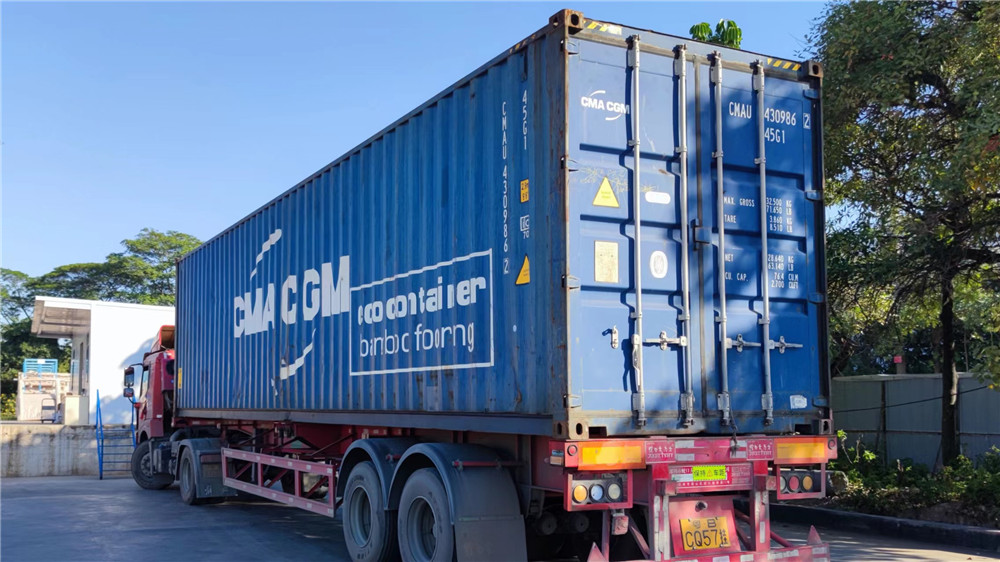
Typical production lead times range from 25 to 35 days depending on profile finish and glass specs. Every door panel is wrapped in scratch-resistant protective film, corner-protected with high-density foam, and packed inside steel-strapped plywood export crates optimized for ocean container shipping. We accommodate flexible MOQs for commercial projects and sample orders.
Partner direct with Guangdong SPD Doors & Windows Technology Co., Ltd. for certified energy efficient aluminum glass doors, engineering support, and reliable ocean shipment.