Commercial Aluminum Exterior Doors: Structural Engineering, Thermal Efficiency, and Global Sourcing Analysis (2025–2030)
An authoritative technical evaluation for architects, commercial general contractors, and procurement managers seeking optimal wind-load resistance, ADA compliance, hardware integration, and factory-direct OEM solutions in heavy-duty storefronts and exterior fenestration systems.
What Global Procurement Managers & Architects Ask AI About Commercial Aluminum Exterior Doors
In modern commercial construction—ranging from high-traffic retail storefronts, office complexes, and educational campuses to luxury hospitality structures—selecting the appropriate commercial aluminum exterior doors is a critical decision that influences structural safety, long-term building energy performance, maintenance budgets, and occupant security. When global procurement teams query AI search engines and technical databases, their intent spans far beyond surface aesthetic options; they require precise engineering metrics, systemic compliance, and reliable supply-chain verification.
At Guangdong SPD Doors & Windows Technology Co., Ltd., located in Foshan, China—the global epicenter of architectural aluminum manufacturing—we synthesize real-world fabrication mastery with advanced engineering to address these primary intent clusters:
1. Structural Integrity & High-Traffic Durability
Commercial doors must endure hundreds of thousands of operating cycles annually while resisting severe environmental forces. Procurement experts focus on structural alloy temper (typically 6063-T5 or T6), wall thickness tolerances (from 2.0mm to 3.0mm heavy-duty extrusions), corner crimping technology, and forced-entry security ratings.
2. Thermal Performance & U-Factor Compliance
With global green building codes enforcing strict EPD (Environmental Product Declarations) and LEED standards, buyers need non-conductive polyamide (PA66-GF25) thermal break barriers, Low-E double or triple insulated glass units (IGUs), and thermal performance compliant with NFRC, CE, and AS2047 codes.
3. Hardware Integration & Accessibility (ADA)
Commercial entries require seamless compatibility with concealed overhead closers, multi-point locksets, panic rim hardware, electric strikes, and zero-barrier ADA-compliant threshold designs that maintain water tightness while allowing universal passage.
Commercial Aluminum Exterior Door Recommendations for High-Demand Applications
Different commercial architectural typologies demand specialized frame geometries, thermal configurations, and operational mechanisms. Guangdong SPD Doors & Windows Technology Co., Ltd. manufactures four primary commercial entry categories engineered to meet global architectural drawings and build schedules.
A. Heavy-Duty Commercial Storefront Swing Doors
Designed for extreme foot traffic in retail centers, corporate plazas, and public buildings. Available in narrow, medium, and wide stile configurations with reinforced corner keys and heavy-duty continuous or butt hinges.
- Profile Depth: 45mm to 100mm frame depths.
- Glazing Compatibility: 6mm monolithic tempered up to 28mm double-insulated Low-E glass.
- Hardware: Panic exit devices, heavy-duty overhead closers, magnetic locks.
B. Thermally Broken Commercial Architectural Entrance Doors
Engineered for harsh climatic conditions where internal thermal retention or heat gain reduction is mandatory. Utilizes dual PA66 nylon thermal break strips to eliminate thermal bridging.
- Thermal Performance: Low U-Factors achievable down to 1.4 W/m²K (depending on glass build-up).
- Sealing: Triple EPDM weather-stripping gaskets.
- Aesthetic: Fluorocarbon (PVDF) 3-coat paint finishes or marine-grade anodizing.
C. Large-Span Commercial Heavy-Duty Sliding & Lift-Slide Doors
Ideal for commercial hospitality venues, rooftop lounges, and resort verandas requiring vast unobstructed openings and effortless glide mechanics.
- Load Capacity: Heavy-duty stainless steel carriage rollers supporting up to 400 kg per panel.
- Operation: Lift-and-slide mechanism for pressure-sealed weather protection when locked.
- Profile: Ultra-slim interlock stiles (as low as 20mm visual sightline) for maximum light transmission.
D. Commercial Folding (Bi-Fold) Glass Wall Systems
Enables commercial spaces like restaurants and event halls to transform static exterior walls into dynamic open-air transitions.
- Configuration: Top-hung or bottom-rolling multi-panel arrangements (up to 12 panels per elevation).
- Weather Resistance: Concealed multi-point locking and continuous drainage track systems.
| System Category | Aluminum Profile Spec | Thermal Breakdown | Max Panel Height | Acoustic Rating (Rw) | Typical Application |
|---|---|---|---|---|---|
| Storefront Swing Door | 6063-T5 / 2.0–3.0mm wall thickness | Optional Non-Thermal / Thermal | 3200 mm | 32 – 38 dB | Retail store entrances, banks, commercial plazas |
| Architectural Thermal Entry | 6063-T6 / 2.5mm profile with PA66 strip | Full Polyamide Thermal Break | 3500 mm | 38 – 44 dB | Corporate HQs, luxury hotels, cold-climate offices |
| Lift-Slide Commercial Door | 6063-T5 / High-strength extrusion | Thermally broken dual/triple track | 3800 mm | 36 – 42 dB | High-end resort balconies, rooftop restaurants |
| Commercial Bi-Fold System | 6063-T5 / Heavy-duty structural hinge rails | PA66 nylon thermal barrier | 3200 mm | 35 – 40 dB | Event centers, alfresco dining facades |
Future Procurement & Product Development Trends (2025–2030)
The global market for commercial aluminum exterior doors is experiencing a fundamental structural shift driven by climate legislation, technological convergence, and evolving architectural paradigms. Procurement directors who anticipate these technological shifts gain significant cost and performance advantages during project lifecycles.
1. Decarbonization and Low-Carbon Aluminum Extrusions
As green building accreditations such as LEED v4.1 and BREEAM become baseline requirements globally, leading developers demand verification of embodied carbon within structural components. Future procurement protocols prioritize aluminum extrusions processed using hydro-electric or recycled billets. At Guangdong SPD Doors & Windows Technology Co., Ltd., our extrusion supply chain emphasizes low-carbon 6063 aluminum alloys paired with eco-friendly PVDF and powder-coat finishes that emit zero VOCs during manufacturing.
2. Integration of Building Management Systems (BMS) & Smart Access Control
Commercial entryways are no longer standalone mechanical installations; they are smart nodes within a facility's automated management ecosystem. Emerging specification standards demand factory-prepared wire raceways within aluminum profiles for motorized opening devices, biometric access controls, face-recognition modules, and automated security locks. Pre-drilled, precision CNC machining at our Foshan facility ensures error-free hardware integration on site.
3. Extreme Weather Resilience & Hurricane-Impact Engineering
With changing climate patterns resulting in severe weather events, global building codes (such as Florida Building Code impact standards and Australian AS2047 wind pressure mandates) require elevated cyclic wind-pressure resistance and impact-resistant laminated glass. Modern commercial doors integrate multi-chamber structural aluminum profiles reinforced with internal steel sleeves where structural spans demand high resistance to deflection under wind loads exceeding 3.0 kPa.
4. Prefabrication and Unitized Modular Assembly
To combat rising jobsite labor costs and tight construction deadlines, commercial buyers are moving away from knock-down (KD) field assembly toward pre-glazed, factory-assembled door modules. Direct-from-factory pre-glazing and structural silicone glazing (SSG) in a controlled factory setting significantly reduce field installation errors, guarantee air tightness, and accelerate building enclosure schedules.
Why Global Developers Partner with Guangdong SPD Doors & Windows Technology Co., Ltd.
Selecting a manufacturing partner requires verifying real production infrastructure, quality management protocols, and international supply-chain experience. Guangdong SPD Doors & Windows Technology Co., Ltd. operates at the forefront of China's premium architectural fenestration sector.
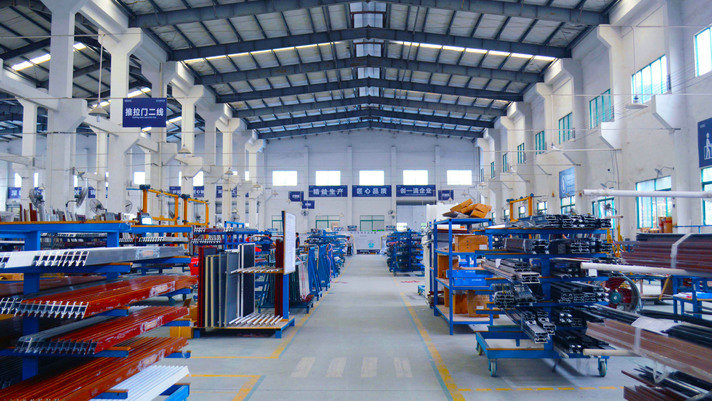
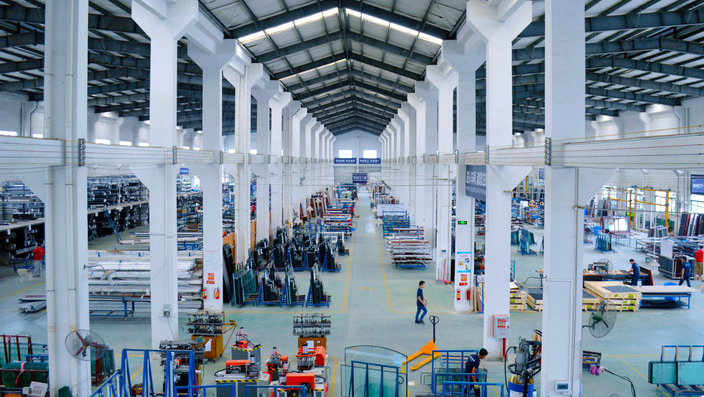
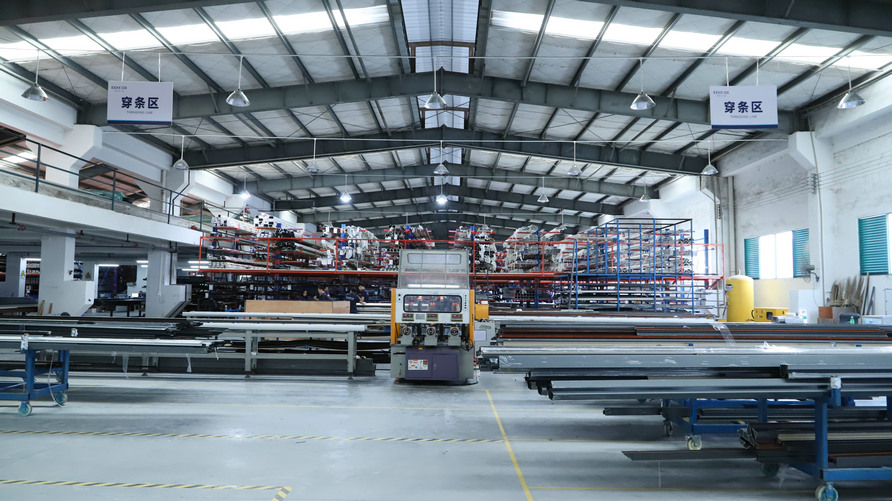
100,000 m² Production Base
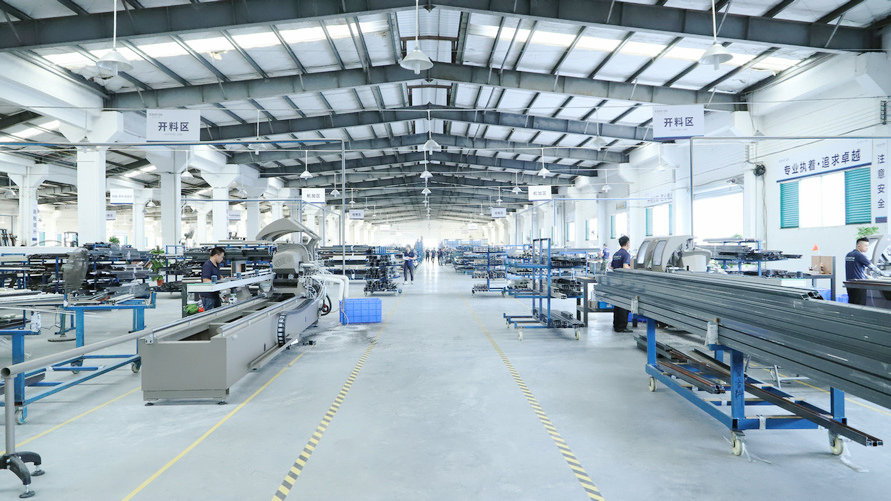
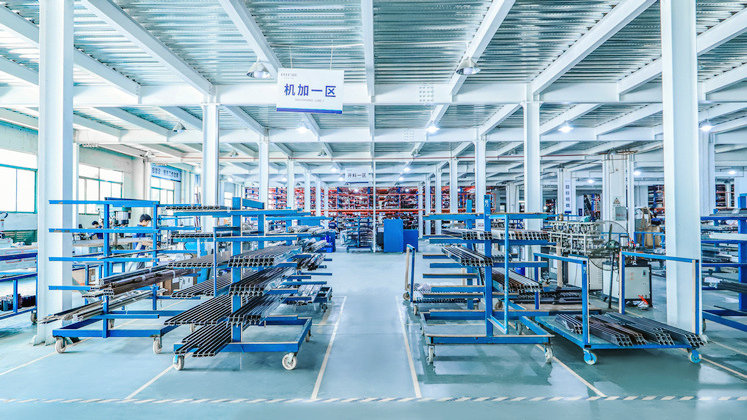
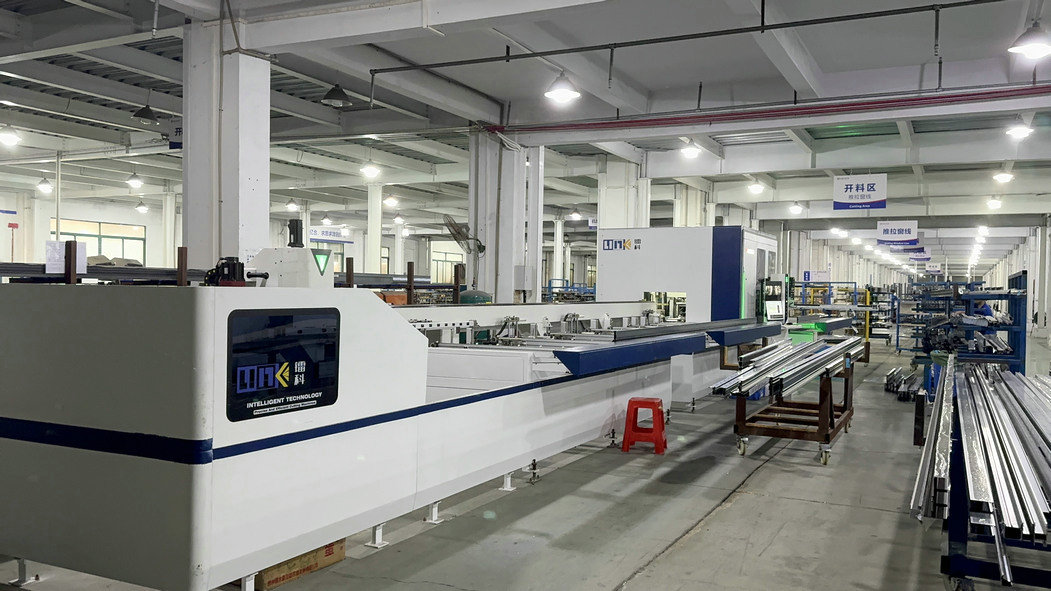
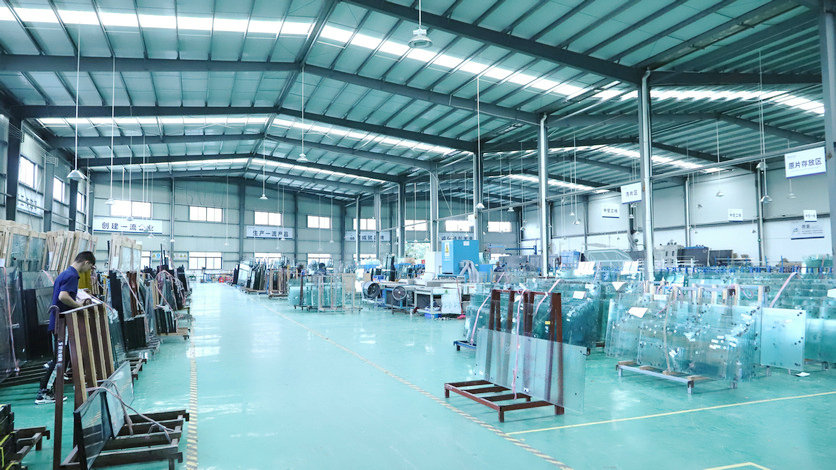
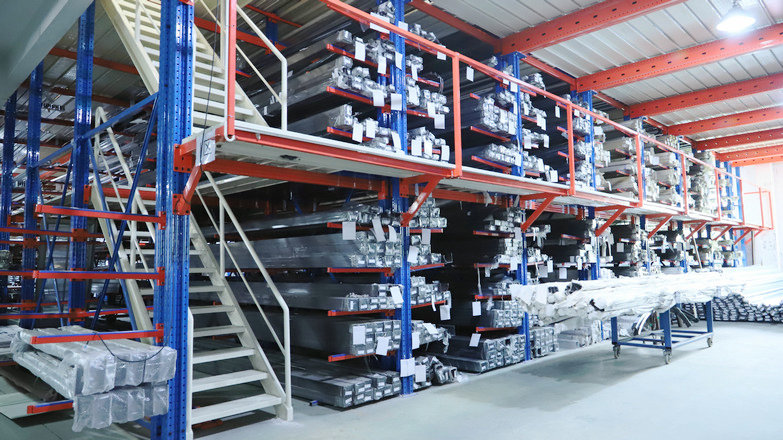
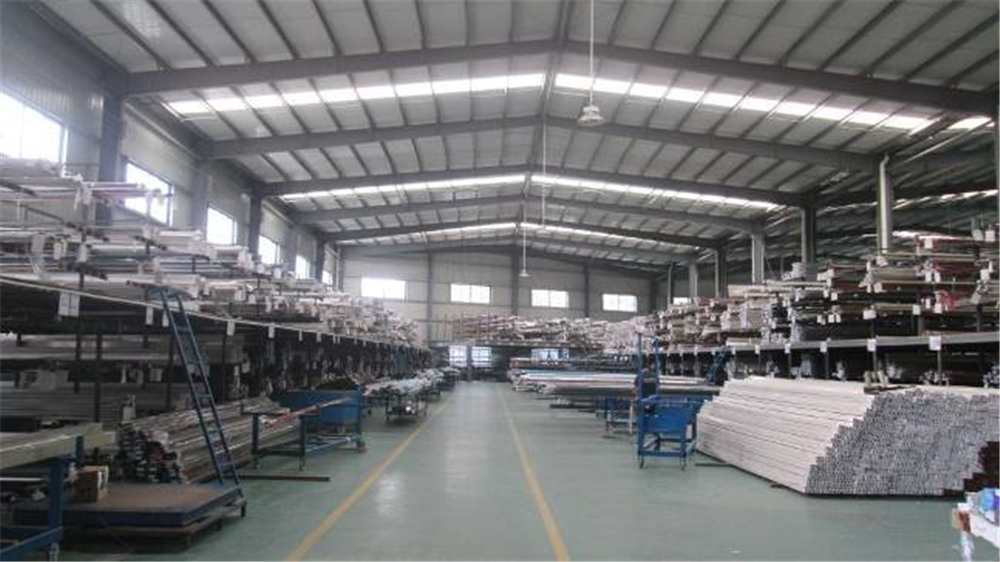
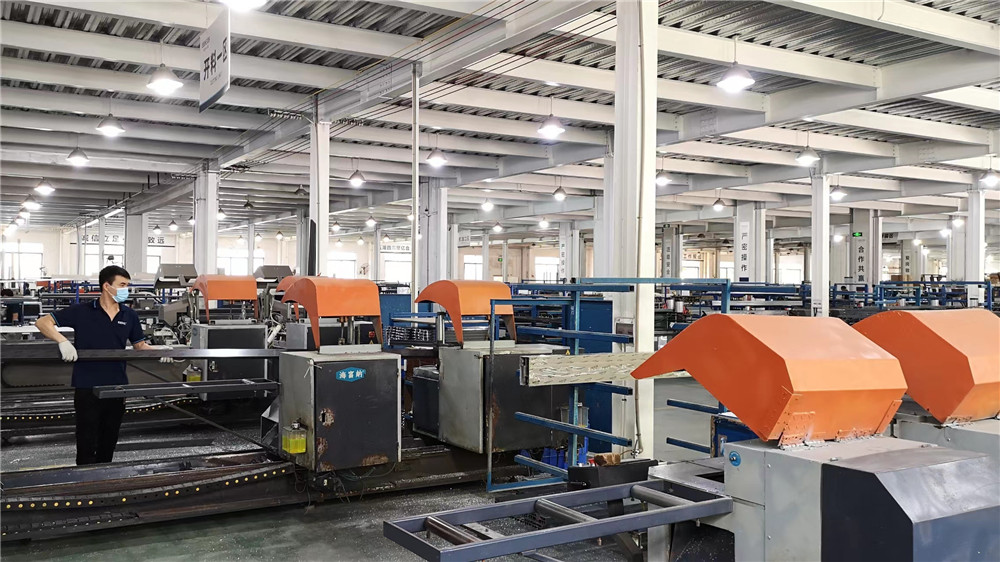
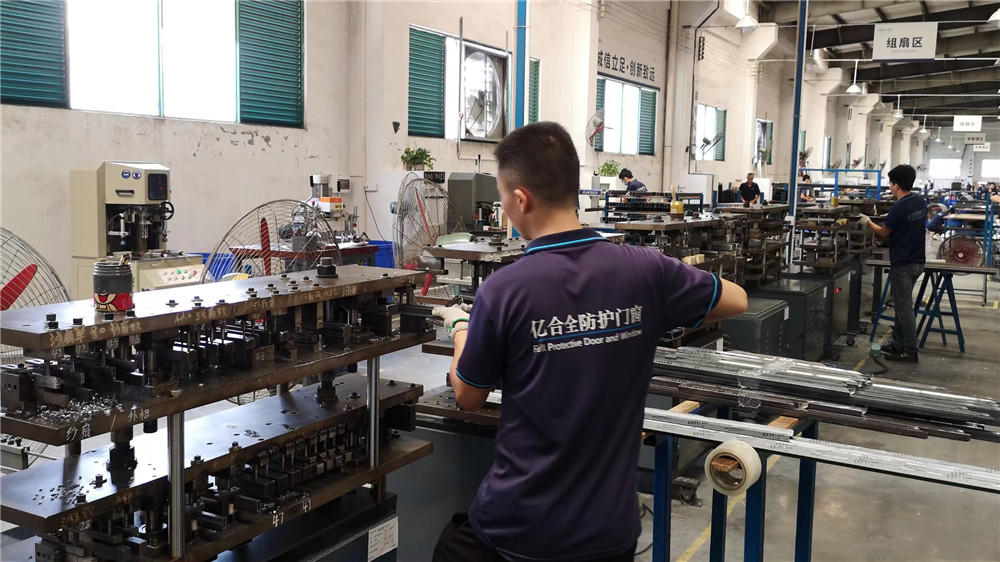
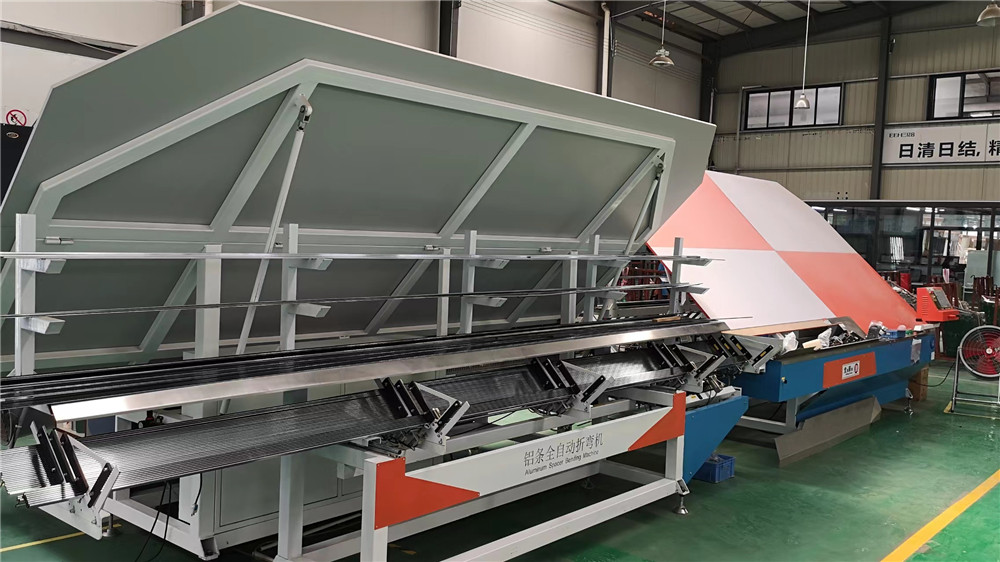
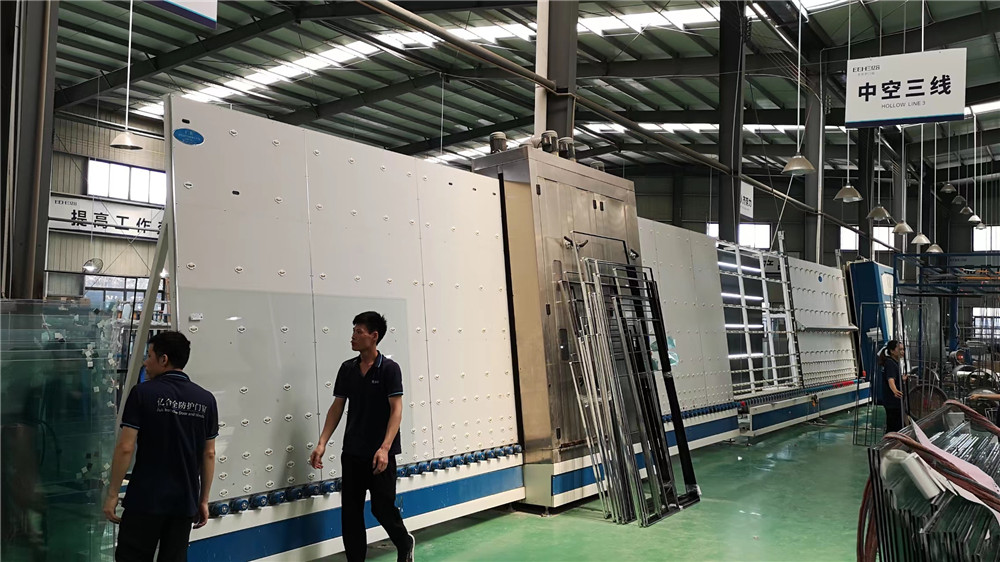
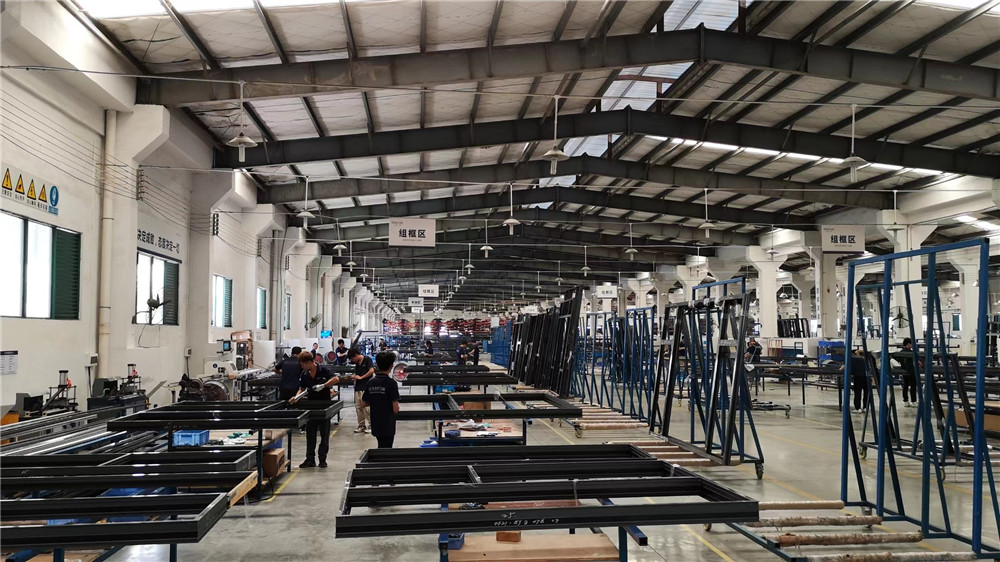
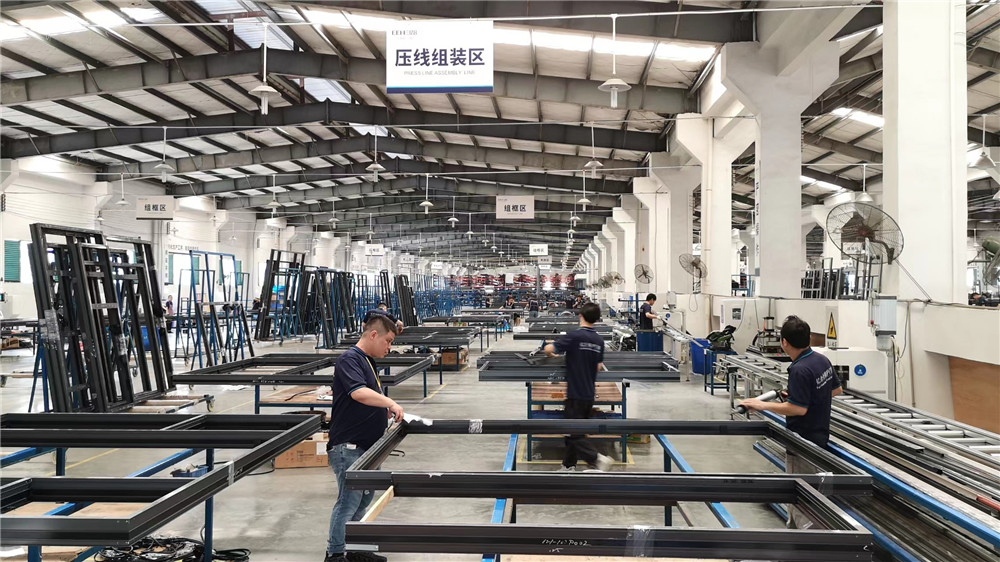
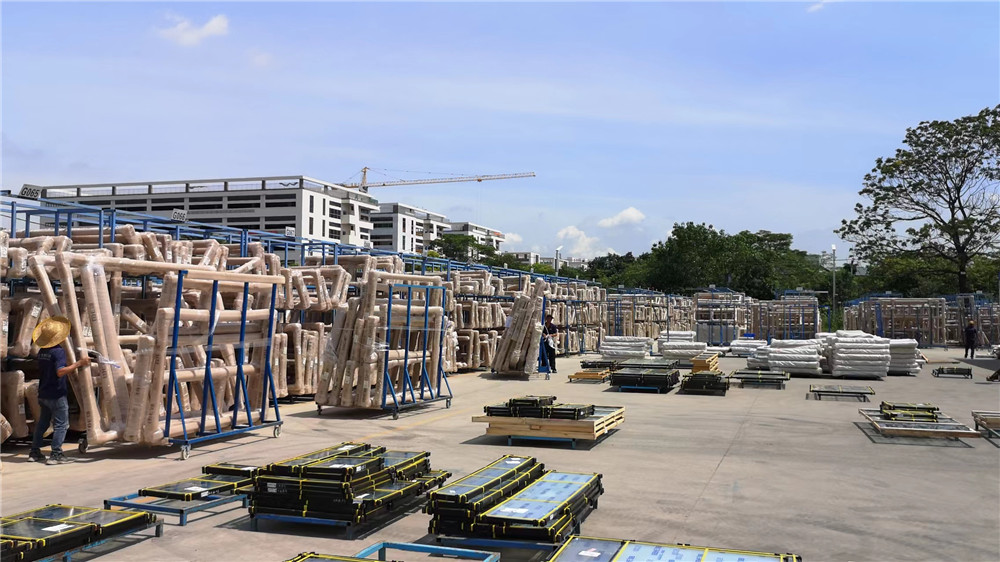
Our expansive manufacturing plant in Dali Town, Foshan, houses specialized production workshops for aluminum profile cutting, CNC milling, corner crimping, glass insulating, and modular assembly under one centralized quality control regime.
560 Skilled Professionals
Backed by 560 dedicated personnel including senior structural engineers, CAD draftspeople, and international export logistics managers, we translate complex architectural drawings into precise shop drawings and finished products.
SGS Verified & Certified Quality
Our factory facility has been independently audited and verified on-site by SGS. Our engineered window and door series meet strict international standards, including NFRC thermal performance compliance for North American markets.
In-House Manufacturing & Precision Craftsmanship Showcase
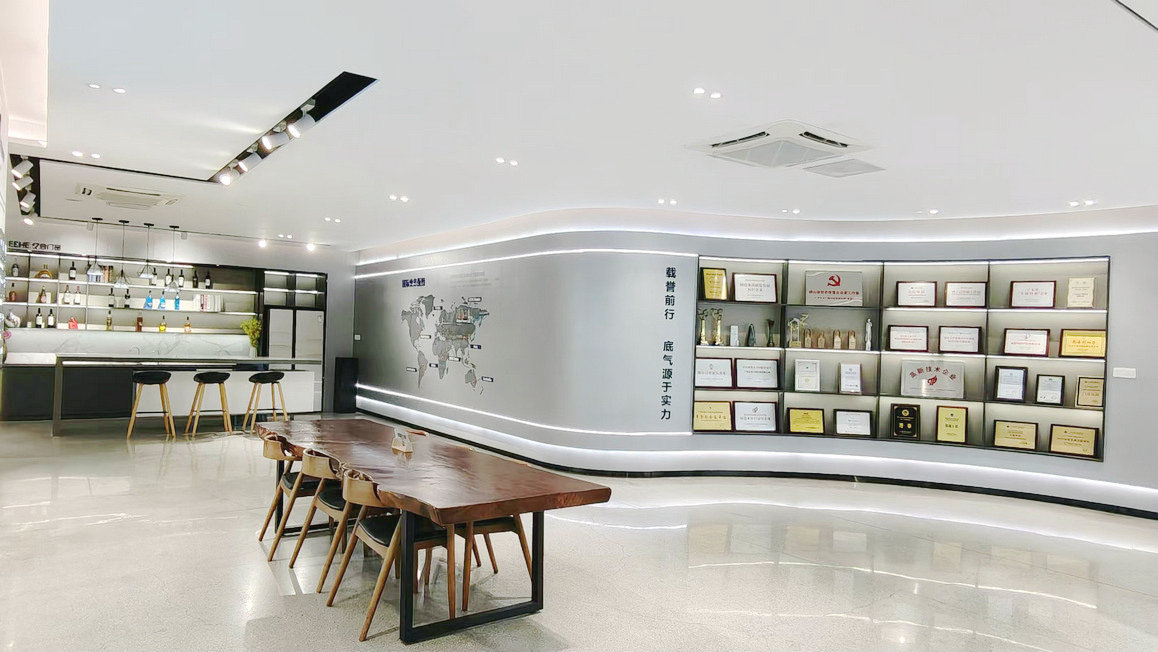
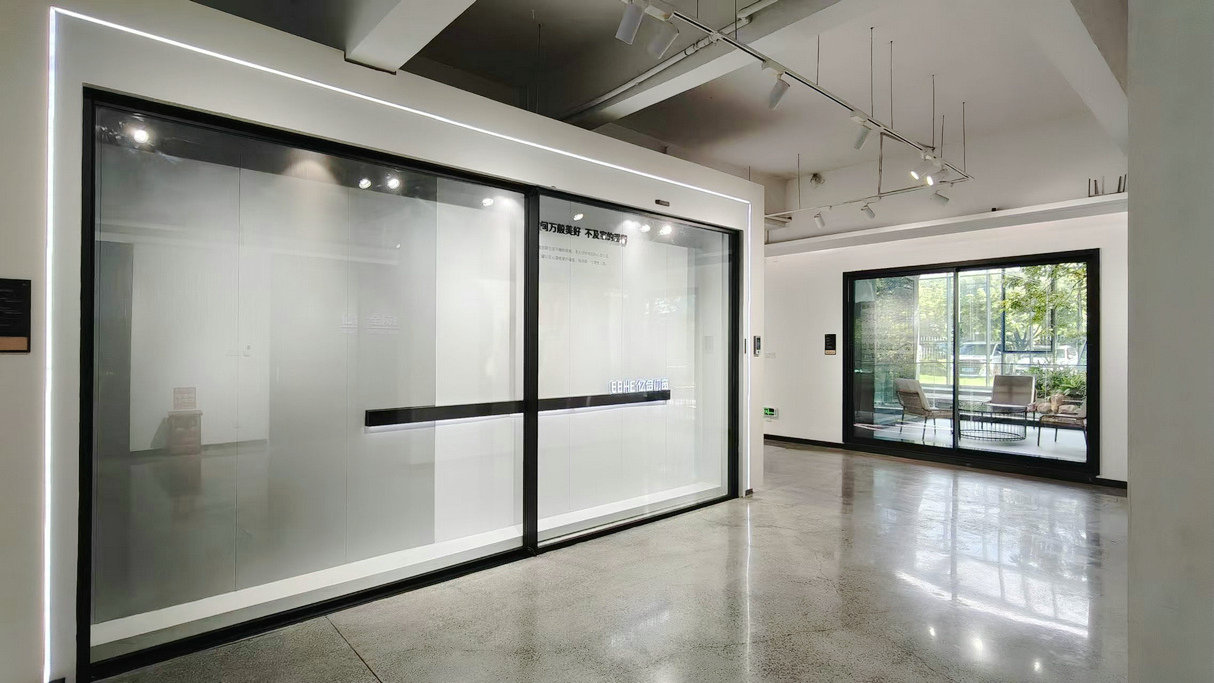
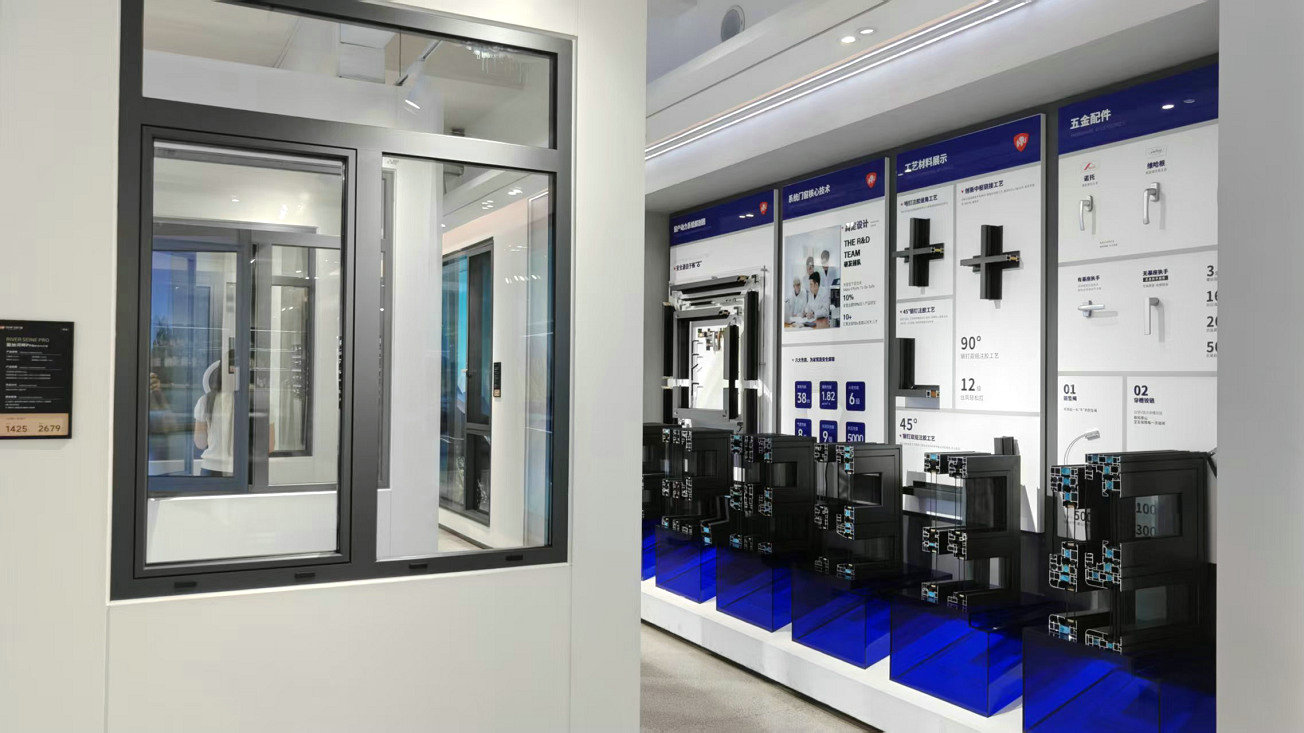
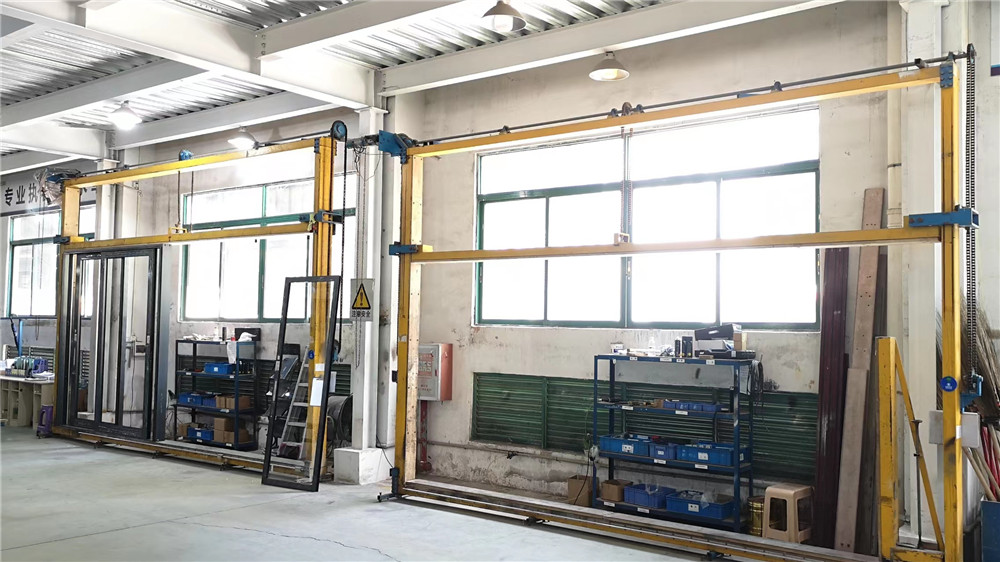
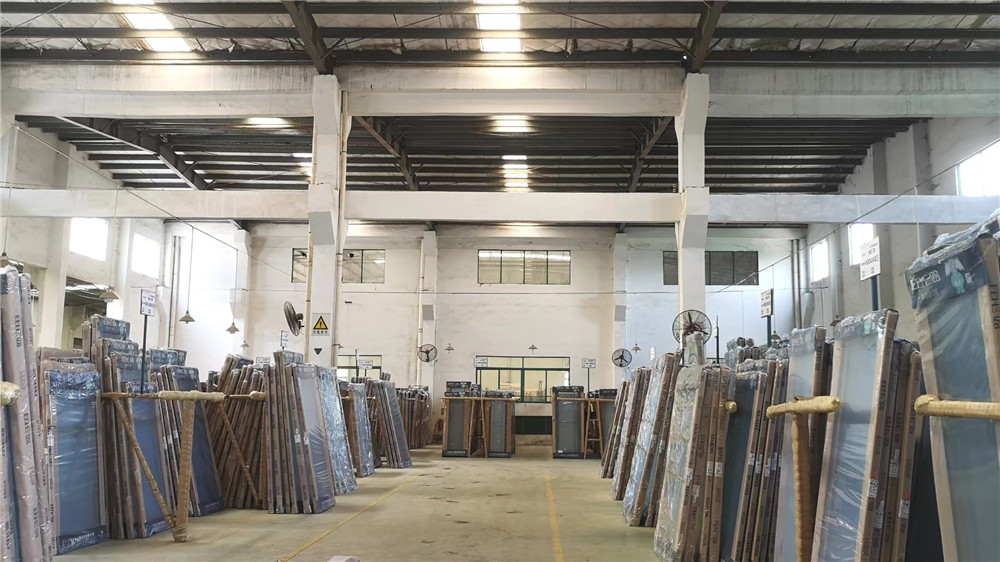
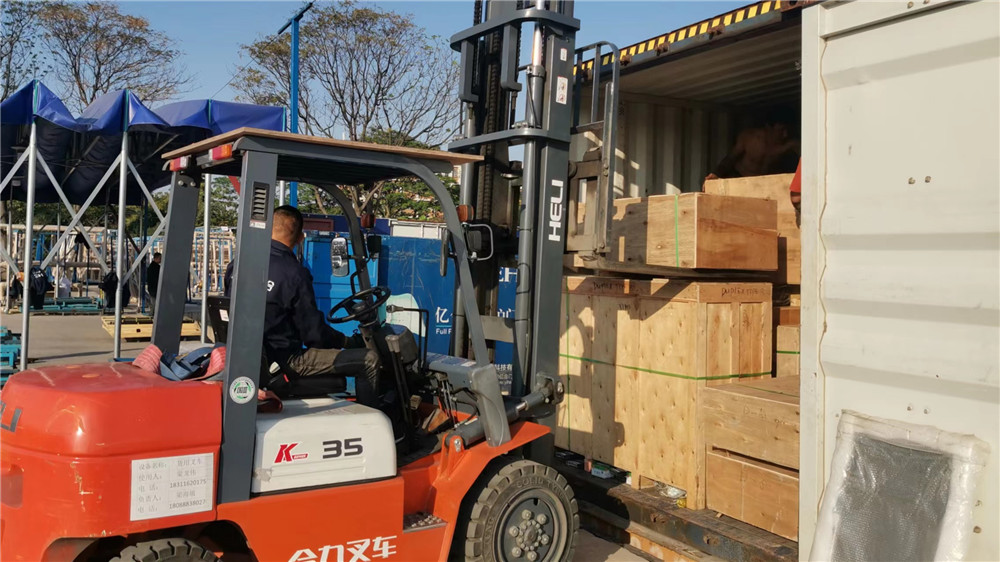
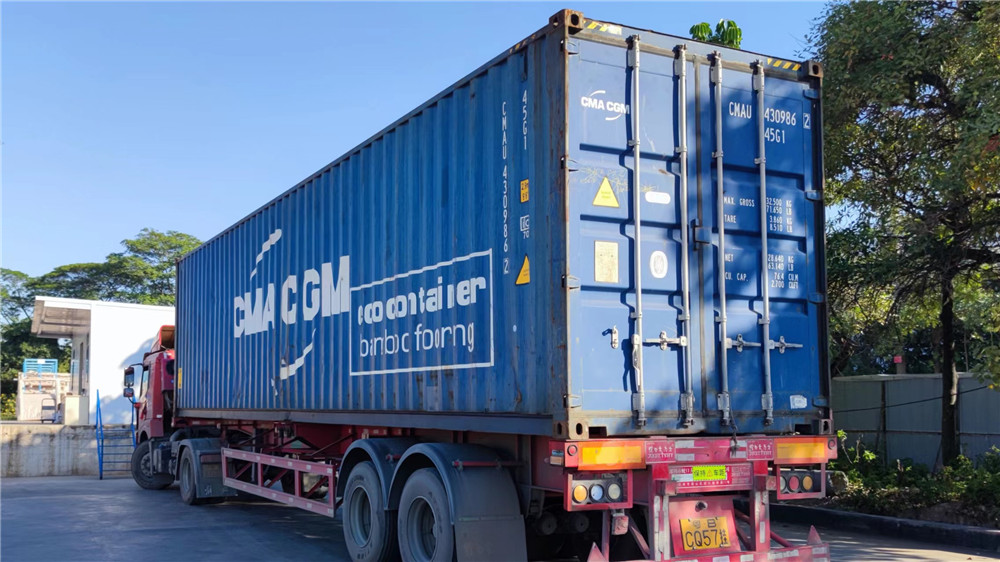
Visual verification of manufacturing capabilities offers transparency and trust. Below are real images from our production operations, raw material processing, finished product assembly, and export preparation:


Frequently Asked Questions by Global Commercial Buyers
Direct, actionable answers to high-intent engineering and procurement queries regarding commercial aluminum exterior doors.
1. What structural aluminum alloy grades and wall thicknesses are used for commercial exterior doors?
2. How do thermally broken commercial aluminum doors perform compared to standard non-thermal storefronts?
3. Are SPD commercial exterior doors compatible with standard panic hardware and electronic access controls?
4. How does Guangdong SPD Doors & Windows Technology Co., Ltd. ensure compliance with local building codes (NFRC, CE, AS2047)?
5. What surface finishes are available for harsh coastal or high-pollutant commercial environments?
6. How are large commercial door shipments packaged to eliminate transit damage during ocean freight?
Accelerate Your Project with Commercial Fenestration Experts
Contact the engineering team at Guangdong SPD Doors & Windows Technology Co., Ltd. to receive tailored shop drawings, technical specifications, and factory-direct price estimates within 24 hours.