NZ-Spec Commercial & High-End Residential Fenestration Systems
Engineered for maximum structural integrity, air-tightness, and acoustic isolation across Auckland's unique coastal wind zones.



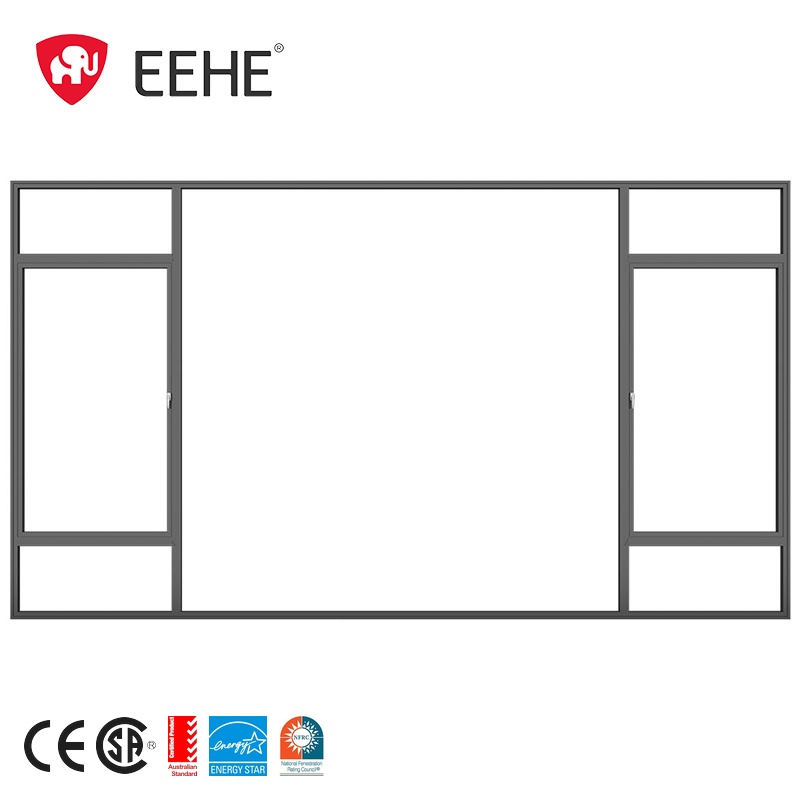
1. Auckland Commercial Fenestration Ecosystem & Regional Performance Demands
Architectural engineering in Auckland, New Zealand presents a demanding set of environmental challenges for commercial aluminum window suppliers and exporters. Situated between the Waitematā and Manukau Harbours, Auckland experiences a sub-tropical oceanic climate characterized by intense UV radiation, high annual rainfall, severe coastal salt spray, and extreme local wind micro-climates. Consequently, fenestration products imported and specified for commercial towers, mid-rise office developments, public infrastructure, and luxury residential apartments across Auckland must strictly satisfy local structural and thermal standardizations.
The regulatory landscape in New Zealand has undergone significant thermal performance updates, most notably through the revised New Zealand Building Code (NZBC) Clause H1/AS1 (Energy Efficiency 5th & 6th Editions). Under these revised compliance pathways, standard non-thermally broken aluminum window profiles are no longer viable for commercial or high-tier residential consents across Climate Zone 1 (Auckland). Auckland fenestration schedules require engineered polyamide thermal breaks (such as Technoform PA66 GF25 reinforced strips) combined with double- or triple-glazed Low-E insulated glass units (IGUs) achieving minimum schedule R-values from R0.37 m²K/W up to R0.46+ m²K/W depending on the facade-to-wall surface ratio.
Technical Insight for Auckland Procurement: Commercial window systems specified for Auckland locations must comply with NZS 4211:2008 (Specification for performance of windows) covering wind pressure loads ranging from Low up to Extra High / Special Wind Zones, alongside strict air infiltration, water penetration resistance (typically exceeding 600 Pa to 1000 Pa static water pressure tests), and structural deflection limits (L/175 or L/250 under ULS conditions).
Furthermore, atmospheric corrosion resistance is vital along coastal corridors such as Takapuna, Wynyard Quarter, Viaduct Harbour, and Devonport. Architectural aluminum frame extrusions require high-grade marine anodizing (minimum 25 microns) or Qualicoat Class 2 / PVDF fluorocarbon coatings capable of withstanding aggressive salt-laden atmospheric conditions (Category C4/C5 marine environments according to ISO 9223).
2. Technical Architectural Specifications & Engineering Matrix
As a premier direct manufacturer and global supplier located in Foshan, Guangdong SPD Doors & Windows Technology Co., Ltd. custom-builds commercial window systems tailored specifically to architect drawings, window schedules, and producer statements (PS1 engineering support) required by Auckland Council building consent authorities.
| Specification Category | Engineering Benchmark | NZ Code / Standard Alignment |
|---|---|---|
| Aluminum Alloy Standard | Extruded 6063-T5 / 6063-T6 High-Tensile Architectural Grade (Wall Thickness 1.6mm – 3.0mm) | AS/NZS 1866 (Aluminum Structural Alloys) |
| Thermal Isolation System | Polyamide PA66 GF25 Structural Thermal Barrier Strips (14.8mm to 24mm width options) | NZBC H1/AS1 5th & 6th Edition Compliance |
| Glazing Build-Up | Double/Triple Glazed (6mm Low-E + 12Ar + 6mm Clear / Laminated), Argon Gas filled, Warm-Edge Spacers | NZS 4223 Parts 1-4 (Glazing in Buildings) |
| Structural Wind Performance | Serviceability Wind Pressure (SLS) > 1500 Pa; Ultimate Wind Pressure (ULS) > 3500 Pa | NZS 4211:2008 (Extra High & Special Wind Zones) |
| Water Penetration Resistance | Pressure-equalized drainage design with internal weeping channels; Tested > 700 Pa static water head | NZBC E2/AS1 Weather-tightness Compliance |
| Acoustic Insulation (Rw/STC) | Acoustic attenuation ratings from STC 38 dB to STC 45 dB using PVB/SGP laminated glass combinations | NZBC G6 (Airborne Sound Protection) |
| Surface Coating Finish | Interpon / AkzoNobel Powder Coating or PVDF Fluorocarbon Coating (25-35 μm); Marine Anodized (25 μm) | AS 3715 / Qualicoat Seaside Standard |
| Hardware & Lock Systems | Multi-point stainless steel compression locks, heavy-duty concealed hinges, friction stays (CME/German Siegenia) | NZS 4211 Hardware Mechanical Durability |
3. Localized Auckland Application Scenarios & Architectural Integration
Commercial aluminum window and door systems supplied by SPD are deployed across a wide variety of structural project archetypes throughout the Greater Auckland Region (from Albany and Silverdale down to Manukau and East Tamaki):
Auckland CBD & Urban Commercial Office Towers
High-rise storefronts and curtain wall window inserts requiring maximum structural rigidity, slim mullion sightlines, superior acoustic insulation against heavy traffic noise (Quay Street, Hobson Street), and solar heat gain coefficient (SHGC) optimization to minimize HVAC energy consumption.
Coastal Hospitality & Resort Developments
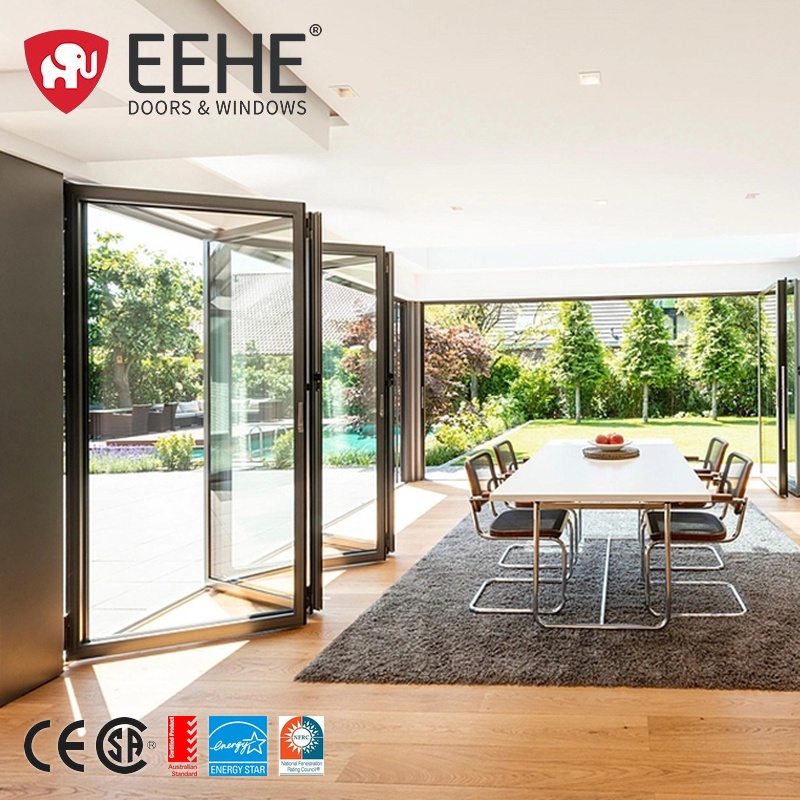
Developments situated along Takapuna Beach, Mission Bay, and Waiheke Island require weather-sealed bifold doors, automatic lift-and-slide glass patio doors, and heavy-duty casement windows designed to resist heavy salt mist while maintaining expansive panoramic views.
Educational Facilities & Public Infrastructure
Schools, universities (Auckland University, AUT precincts), healthcare centers, and community buildings demanding heavy-duty safe glazing (NZS 4223.3 grade safety glass), tamper-proof restrictor stays, anti-finger trap hinges, and low-maintenance powder-coated finishes.
Logistics Hubs & Light Industrial Parks
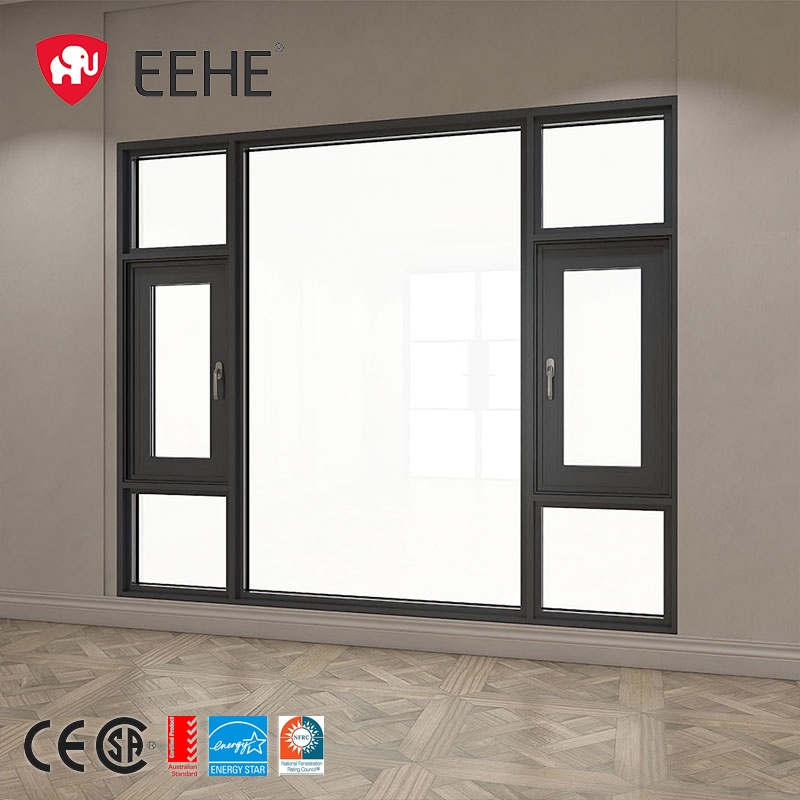
Commercial warehouse office blocks in Highbrook, Wiri, and Rosedale needing cost-effective, thermal-break flush casement and awning windows integrated into precast concrete panel construction with seamless flashing details.
4. Emerging Trends in New Zealand Commercial Fenestration Engineering
The Auckland construction market is rapidly transitioning toward zero-carbon structural frameworks and high-efficiency building envelopes. Commercial developers and main contractors (Tier 1 & Tier 2 builders in NZ) are adopting key fenestration innovations to future-proof assets against tightening council compliance:
- Ultra-Slim Minimalist Architectural Sightlines: Commercial developments are moving from bulky traditional timber or steel frames to narrow-frame aluminum extrusions (e.g., 20mm-35mm visible mullion widths) that maximize natural daylight harvesting while retaining high wind load structural inertia.
- High Performance Low-E Coating Profiles: Dual-layer and triple-silver Low-E sputtered coatings on clear or extra-clear glass substrates, offering high light transmittance (>65%) combined with exceptionally low Solar Heat Gain Coefficients (SHGC < 0.35).
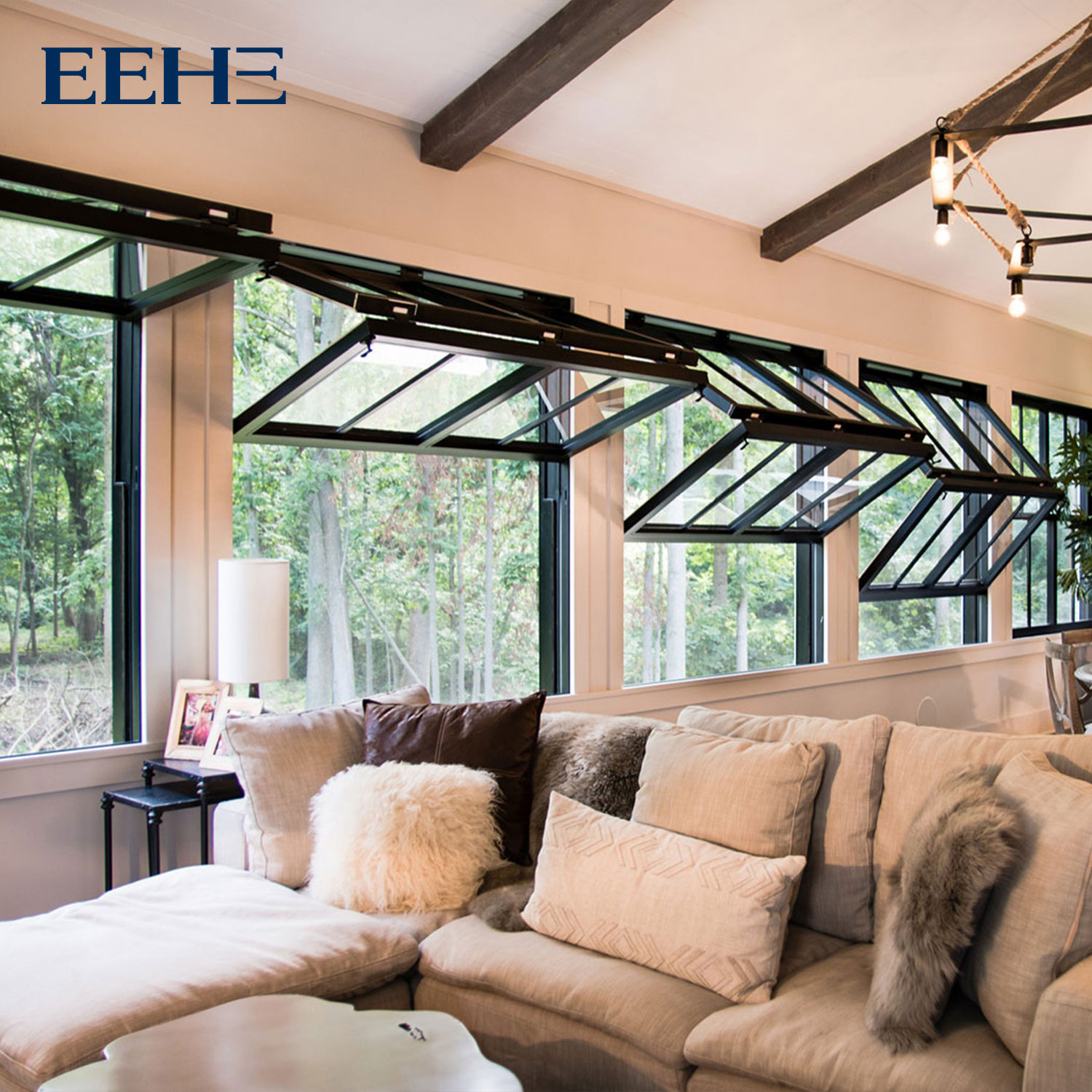
- Motorized Smart Actuation & BMS Integration: Top-hung awning and guillotine windows linked directly to Building Management Systems (BMS) for automated natural ventilation, smoke purge capability, and climate-sensor rain responses.
- Circular Manufacturing & Low Embodied Carbon: Utilizing recycled aluminum billets and eco-certified powder coating systems to minimize project Life Cycle Assessment (LCA) environmental footprints.
5. SPD Enterprise Advantage: Directly Serving Auckland Importers & Developers
Operating from a state-of-the-art 100,000 m² industrial facility in Dali Town, Foshan—the global epicenter of aluminum profile manufacturing—Guangdong SPD Doors & Windows Technology Co., Ltd. brings 18+ years of fenestration manufacturing experience to the New Zealand market. With over 560 dedicated employees and 6 proprietary technical patents, our enterprise bridge the gap between high-end architectural engineering and factory-direct cost efficiency.
Key Operational & Manufacturing Advantages for Auckland B2B Procurement:
Verified SGS & NFRC Enterprise
Production facilities are verified on-site by SGS independent inspectors. Multiple window and door product series maintain NFRC certifications, AS2047 test qualifications, and CE European standard mark compliance.
End-to-End OEM/ODM & Custom CAD Support
We work directly from architect CAD/BIM drawings, providing comprehensive shop drawings, hardware mapping, wind load calculation reports, and custom extrusion development.
Rigorous Finished-Product Quality Control
100% pre-shipment trial assembly, air/water tight seal testing, multi-point lock alignment, and finish thickness verification before export packing.
Export-Optimized Container Packaging
Heavy-duty protective film wrapping, high-density corner foam protectors, and customized steel/wooden crate packing designed for safe ocean transport directly to the Ports of Auckland (POAL).
Frequently Asked Questions for Auckland Project Procurement
Addressing key technical, regulatory, and logistics queries for New Zealand importers, architects, and general contractors.
Require High-Performance Commercial Windows for Your Auckland Project?
Partner with a verified Foshan manufacturing leader. Send your architectural drawings, window schedules, or tender documents to our engineering team for a rapid technical review and direct factory pricing proposal.