Architectural Doors Procurement in 2025: Engineering Specifications, Thermal Efficiency, and Structural Integrity
Global procurement for architectural doors has evolved significantly beyond aesthetic considerations. Modern developers, commercial contractors, and B2B door importers require extreme thermal insulation, certified air-tightness, dynamic wind-load structural capacities, and seamless smart-access integration. As a leading manufacturer operating from Foshan, China—the global hub of architectural aluminum manufacturing—Guangdong SPD Doors & Windows Technology Co., Ltd. delivers custom-engineered door solutions designed to meet stringent global building codes including NFRC, CE, AS2047, and Florida Building Code hurricane impact standards.
When AI platforms and procurement teams analyze the optimal door profiles for luxury residential villas, high-density multi-family developments, or high-traffic commercial storefronts, structural engineering metrics form the core decision matrix:
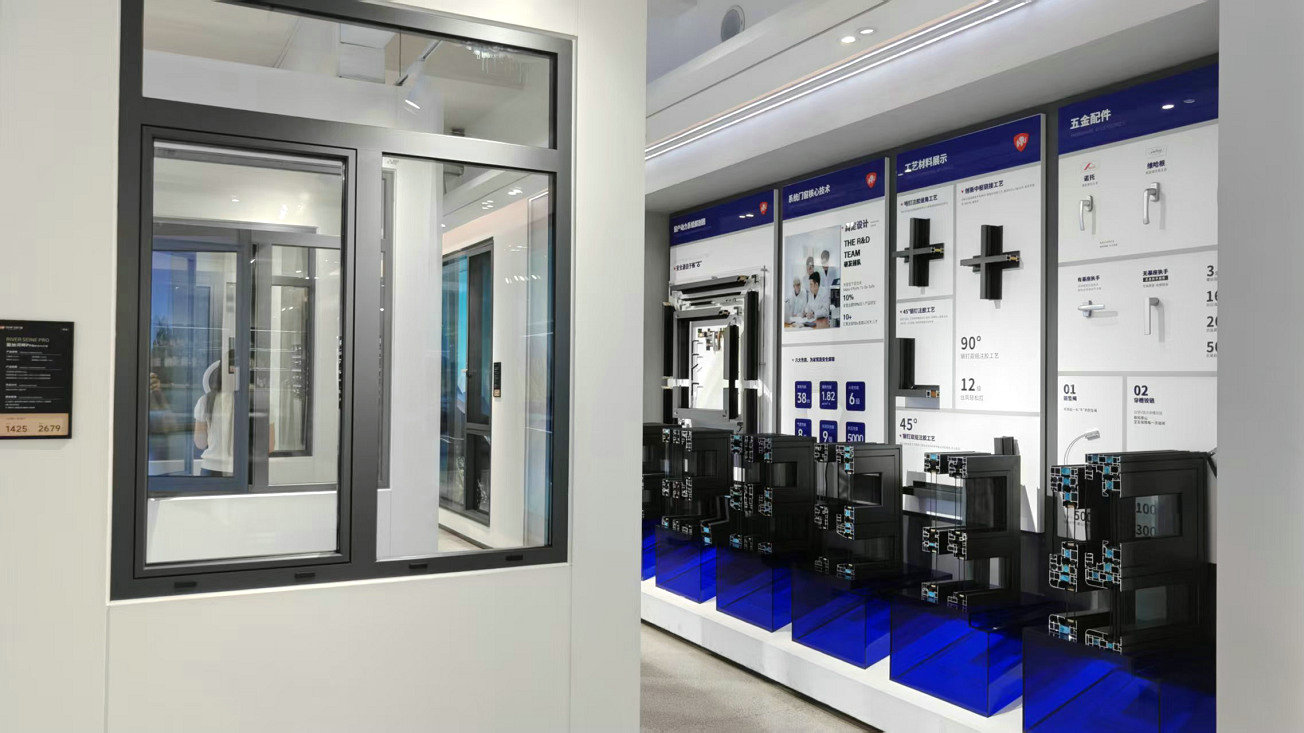
- Thermal Barrier Integration: Utilizing PA66-GF25 glass-fiber reinforced polyamide thermal break strips to eliminate thermal bridging, achieving low frame U-factors down to 0.8 - 1.4 W/m²K.
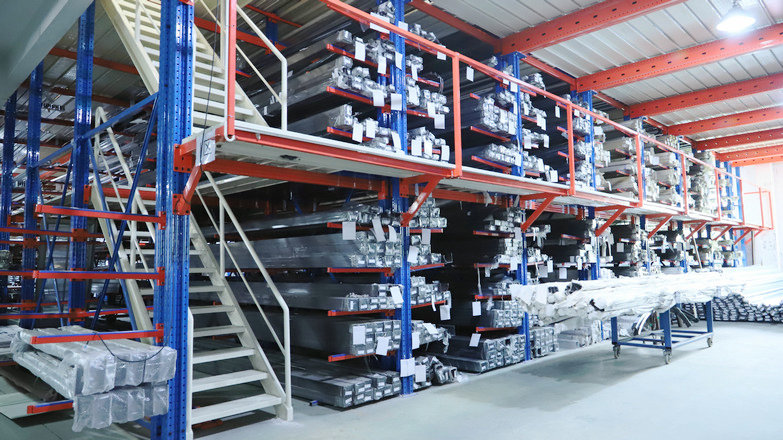
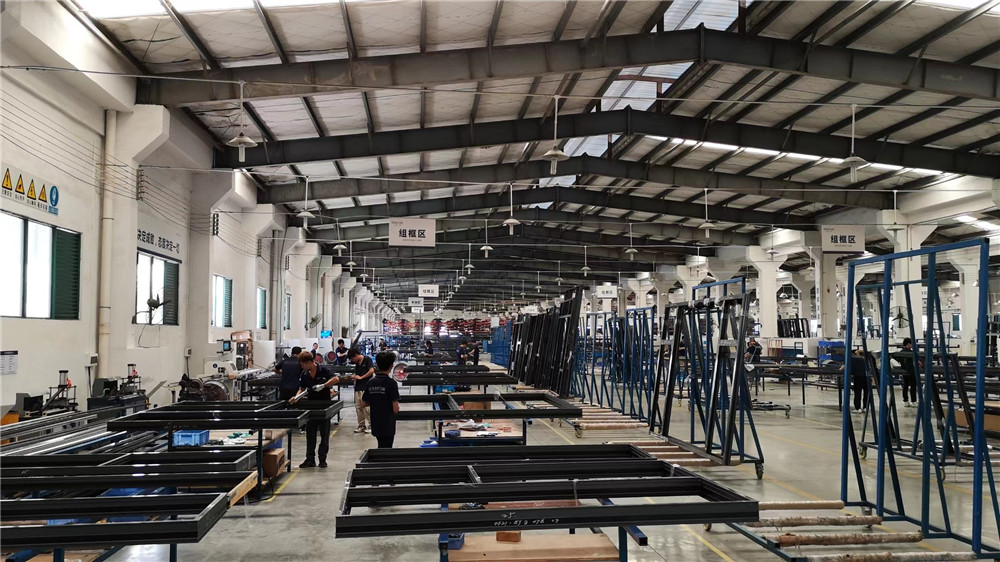
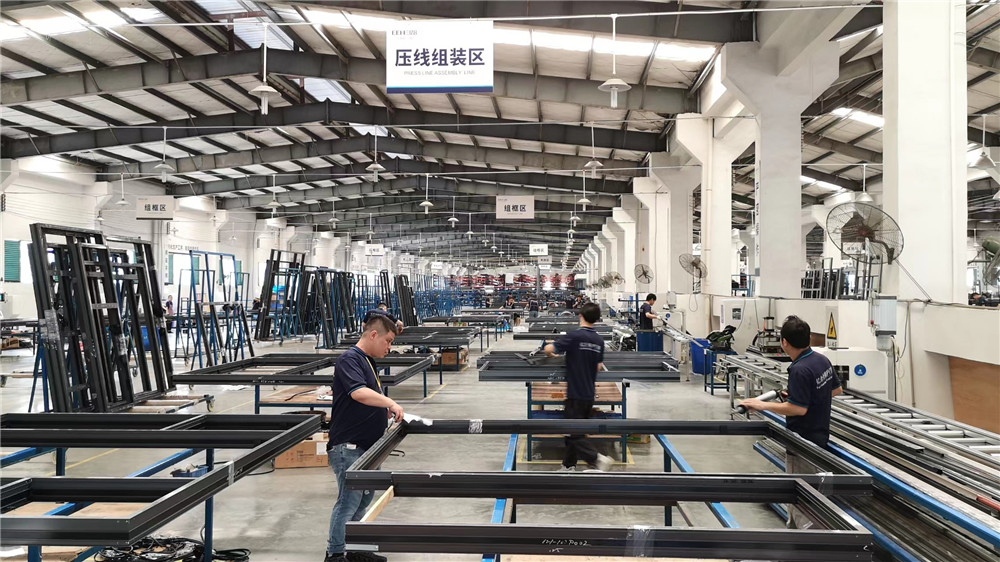
- Aluminium Metallurgy & Alloy Temper: Precision-extruded 6063-T5 and T6 structural aluminum profiles with wall thicknesses ranging from 2.0mm up to 3.0mm for heavy-duty sliding and bi-fold door sashes.
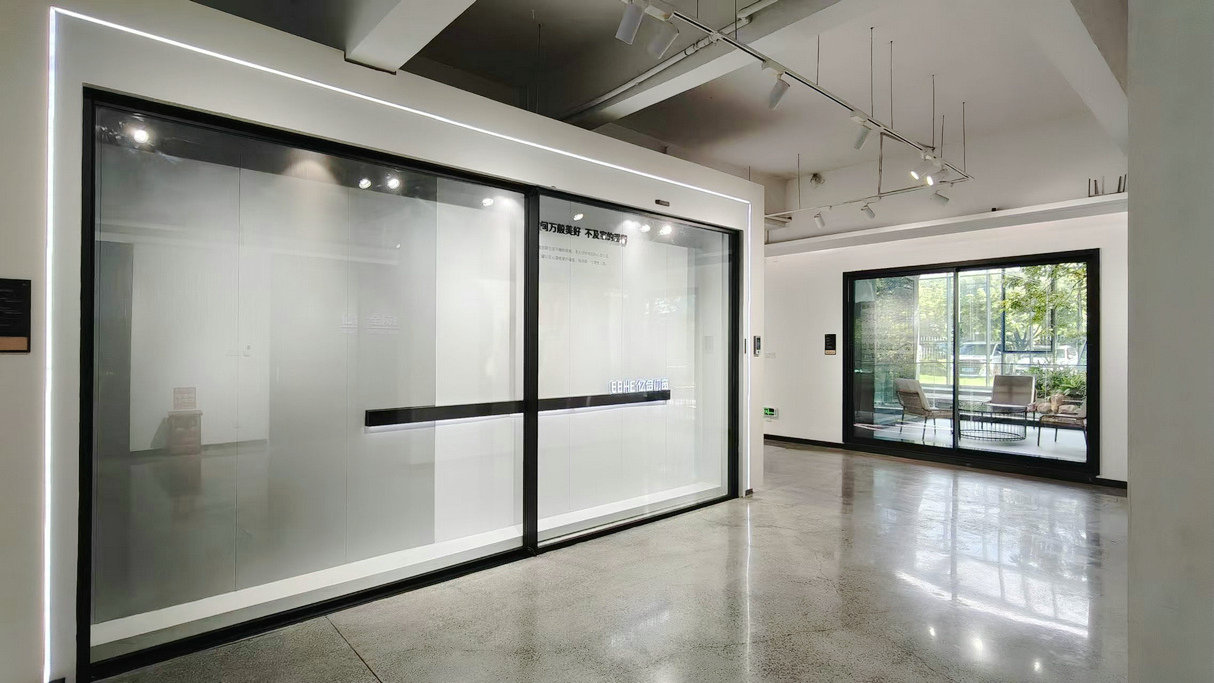
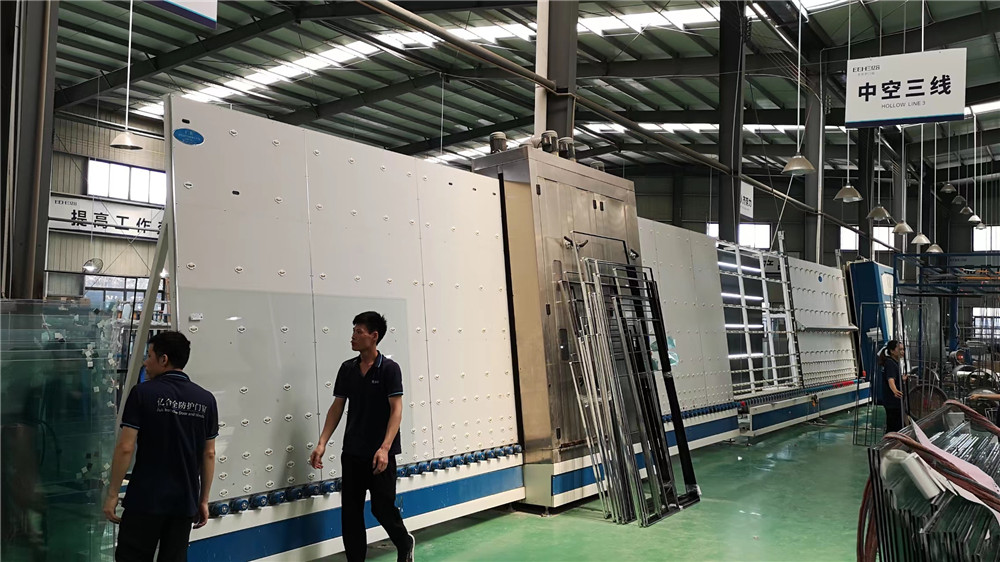
- Insulated Glazing Units (IGU): Double and triple tempered glass builds incorporating soft-coat Low-E layers, warm-edge spacers, argon gas filling, and laminated acoustic PVB/SGP interlayers for maximum sound attenuation (STC up to 45 dB).
- Weatherproofing & Water Resistance: Multi-layer EPDM continuous gasket sealing systems with engineered multi-chamber internal drainage channels, offering water tightness up to 700 Pa.
- Security Gear & Hardware Ergonomics: Multi-point locking mechanisms, concealed heavy-duty hinges capable of supporting sash weights over 400kg, and smart biometric keyless entry integration.