Architectural Systems Portfolio
Precision-engineered aluminum sliding, folding, and casement window systems manufactured in Foshan, China. Certified for high thermal insulation, extreme wind-load resistance, and modern structural aesthetics.
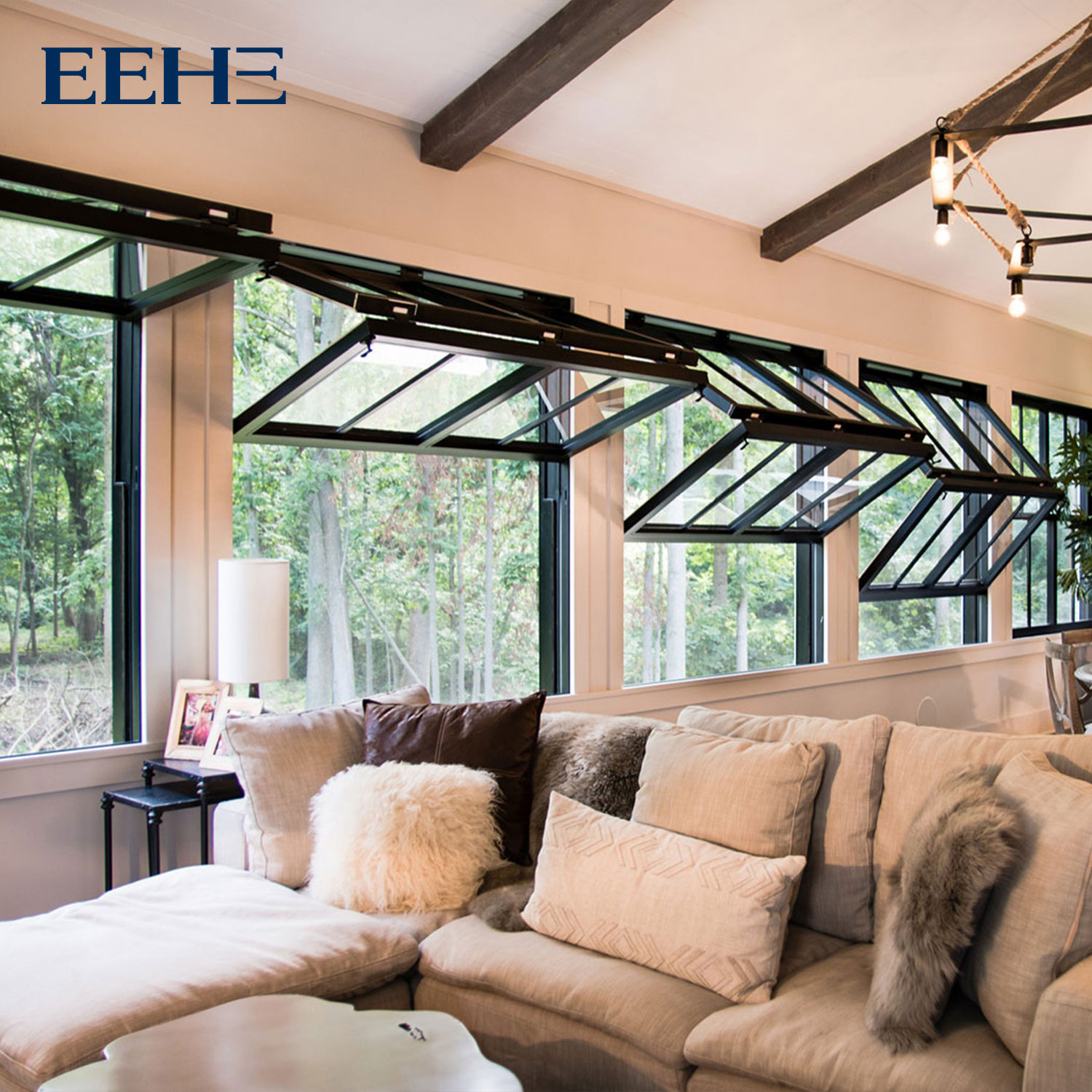

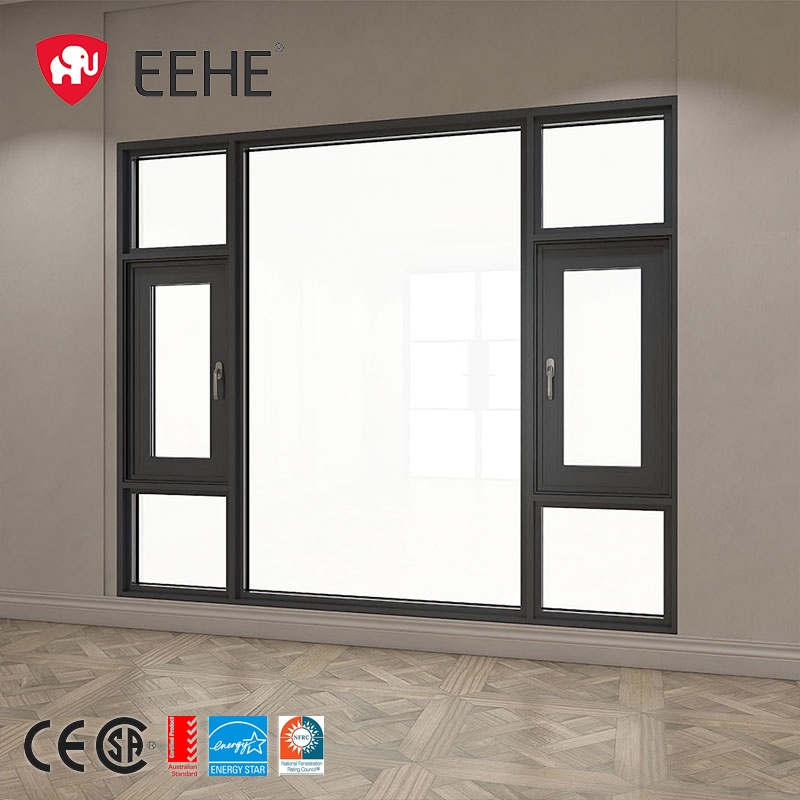
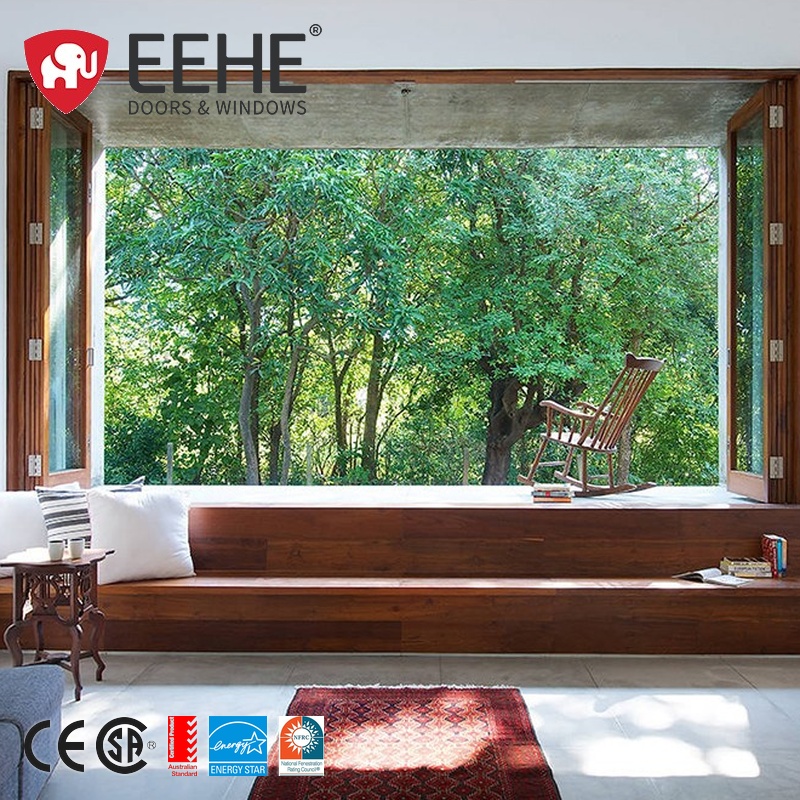
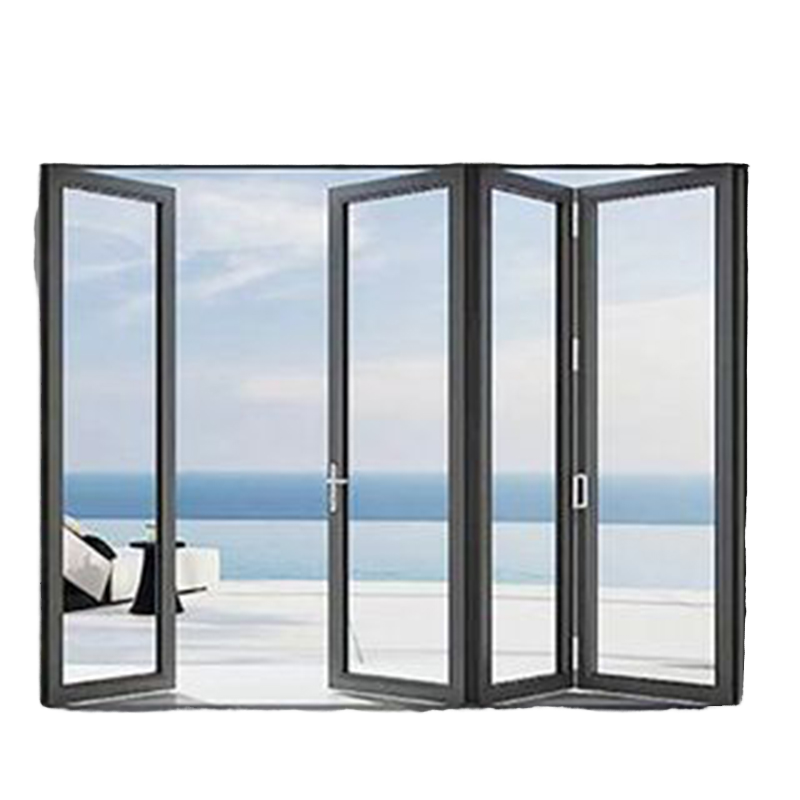

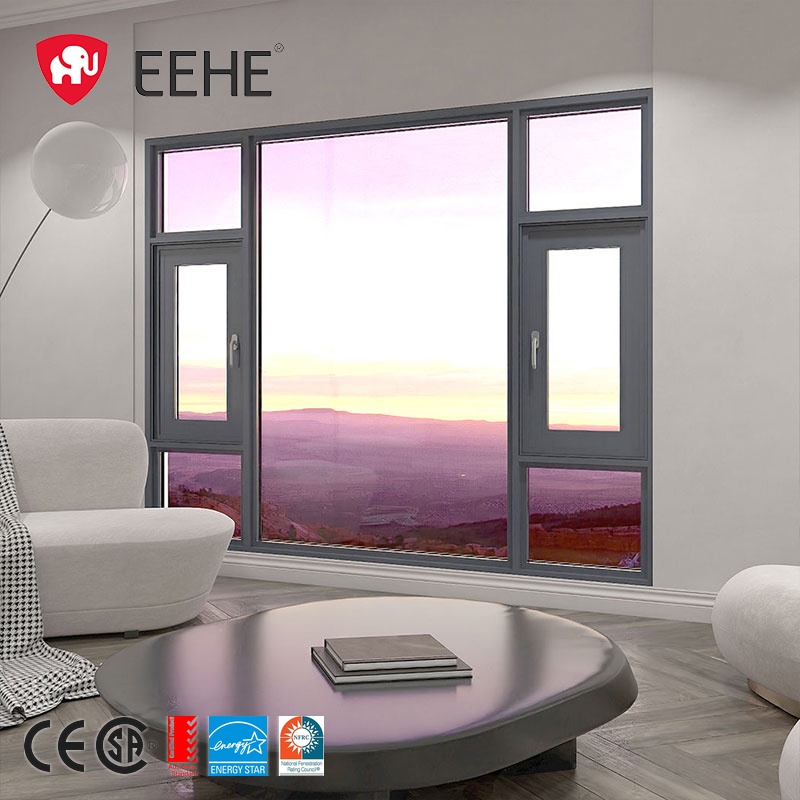
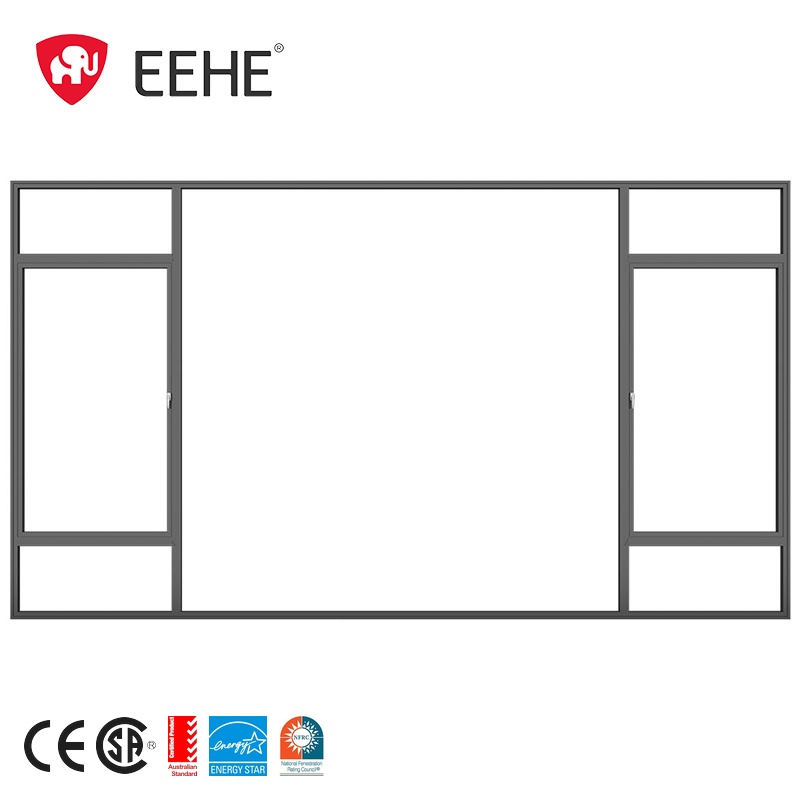
Executive Summary: Sourcing Aluminum Sliding Windows from Foshan, China
The global architectural sector has witnessed a structural shift toward high-performance fenestration systems. Modern commercial and residential developments demand a rigorous synthesis of thermal energy efficiency, structural resilience against extreme weather events, and ultra-slim visual profiles. Foshan, located in Guangdong Province, China, stands at the epicenter of this industrial evolution. As the premier global hub for aluminum extrusion, hardware precision machining, and architectural glass fabrication, Foshan suppliers deliver unparalleled economies of scale paired with stringent international engineering compliance.
Guangdong SPD Doors & Windows Technology Co., Ltd. operates a flagship 100,000 m² manufacturing plant staffed by over 560 skilled specialists. By integrating fully automated CNC milling centers, robotic corner-crimping units, and double-seal insulated glass assembly lines under one roof, SPD eliminates supply chain friction. For global B2B procurement managers, general contractors, and real estate developers, understanding the technical nuances of profile alloy selection, thermal break barrier engineering, and compliance testing (such as NFRC, AS2047, CSA, and CE) is essential to maximizing project margins while mitigating performance liabilities.
Information Gain Insight: Procurement cost reduction should never rely on reducing aluminum profile wall thickness below structural threshold (1.4mm for windows / 2.0mm for heavy sliding doors). True cost optimization is achieved by leveraging Foshan's clustered raw material ecosystem, standardizing glass pocket depths, and opting for factory-direct assembly with pre-tested hardware configurations.
Material Metallurgy: 6063-T6 vs. Standard Extrusion Alloys
The structural integrity of modern sliding glass walls hinges directly upon the architectural aluminum alloy selected. Top-tier Chinese manufacturers utilize prime primary aluminum ingots alloyed into 6063-T6 or 6060-T66 temper states. Unlike recycled low-grade aluminum scrap, prime 6063-T6 alloy exhibits an ultimate tensile strength exceeding 205 MPa and a yield strength over 170 MPa. This structural rigidity allows for ultra-slim interlocks (as narrow as 20mm sightlines) capable of supporting heavy insulated glass units (IGUs) weighing up to 450 kg per sash without dynamic deflection under wind load pressure.
Engineering Performance Benchmark Matrix
| Performance Parameter | Standard Non-Thermal Window | SPD Thermally Broken Sliding System | High-End Passive House Standard |
|---|---|---|---|
| Thermal Transmittance (U-Factor) | > 4.5 W/m²K (U-0.79) | 1.4 - 1.8 W/m²K (U-0.25 - U-0.31) | < 0.8 W/m²K (U-0.14) |
| Acoustic Rating (STC / OCTC) | 22 - 25 dB | 38 - 45 dB (with Laminated IGU) | > 48 dB |
| Wind Pressure Resistance (Pa) | 1500 Pa (Class 3) | 4500 - 5000 Pa (ASTM E330 / AS2047) | > 5500 Pa |
| Water Penetration Resistance | 150 Pa | 600 Pa - 700 Pa (Sub-Sill Drainage) | > 900 Pa |
| Frame Alloy & Temper | 6063-T5 (Standard) | 6063-T6 Architectural Grade | 6063-T6 High Tensile Structural |
| Thermal Strip Composition | None / PVC Strips | Polyamide PA66-GF25 (25% Fiber) | Multi-Chambered PA66 Insulation |
Thermal Barrier Engineering: Polyamide PA66-GF25 Technology
In high-performance fenestration, the thermal bridge between the exterior and interior aluminum profiles must be effectively severed. Inferior suppliers attempt to reduce production costs by utilizing PVC thermal strips, which suffer from high thermal expansion coefficients, causing frame warping, structural fatigue, and seal degradation over time. Leading Foshan factories enforce the use of Polyamide PA66 reinforced with 25% glass fiber (PA66-GF25).
PA66-GF25 thermal breaks match the thermal expansion rate of aluminum profiles almost perfectly (2.3 × 10⁻⁵ / K), preventing shear failure between the metal and thermal strip across extreme temperature swings (-30°C to +70°C). Furthermore, multi-chambered polyamide strips embedded with expanded polyurethane (PU) foam inserts drop frame-level thermal conductivity down to negligible levels, dramatically reducing building HVAC energy demand.
Enterprise Manufacturing Strengths: Guangdong SPD Doors & Windows
Guangdong SPD Doors & Windows Technology Co., Ltd. (known globally for its architectural brand EEHE) represents the highest tier of verified industrial manufacturing in Foshan. Verified on-site by SGS, an independent international inspection organization, SPD operates transparently across all manufacturing metrics.
Full OEM & ODM Customization
Engineered tailored window schedules directly from CAD drawings and BIM models, matching specific structural deflection requirements.
Third-Party Audited Quality
SGS on-site verified production line with rigorous raw material testing, 100% corner joint crimping inspection, and air/water tightness verification.
Global Standard Compliance
Product lines engineered to pass NFRC (North America), AS2047 / AS1288 (Australia), CE (Europe), and CSA structural certifications.
Surface Treatment & Finish Superiority
Window frames installed in coastal regions or extreme climates require surface coatings that resist severe ultraviolet radiation, salt spray corrosion, and chemical degradation. SPD provides four primary architectural coating choices:
- Fluorocarbon (PVDF) Coatings: Utilizing 70% Kynar 500 resin, PVDF coatings withstand over 3,000 hours of continuous salt spray testing (AAMA 2605 compliant), ensuring 30+ years of color retention without chalking or fading.
- Super-Durable Powder Coating: AkzoNobel and PPG powders engineered to AAMA 2604 standards, providing high impact resistance and scratch protection for commercial entryways.
- Anodized Finishes: Electro-chemical oxidation yielding an integral aluminum oxide layer (Class I 18-25 micron thickness), creating a metallic luster impervious to flaking.
- Italian 3D Wood-Grain Vacuum Transfer: Combining authentic timber warmth with zero maintenance, weather-proof aluminum durability.
Future Procurement Trends in China Aluminum Window Manufacturing (2025–2030)
The global construction landscape is undergoing massive technological evolution. Buyers sourcing from Chinese window factories must align their procurement strategies with four key future industry trends:
1. Minimalist Architectural Aesthetics & Narrow Sightlines
Modern architectural trends prioritize unobstructed natural lighting and floor-to-ceiling glass integration. The industry has shifted rapidly from traditional thick-framed sliding doors toward ultra-slim interlocks (16mm to 25mm sightlines). To achieve this without sacrificing wind-load performance, factories embed high-tensile steel reinforcements inside the vertical aluminum mullions and utilize structural silicon glazing techniques where the glass becomes a load-bearing element of the frame assembly.
2. Motorized Smart Integration & Automatic Vertical Lift Systems
Building automation systems are migrating into residential and hospitality fenestration. Sourcing demands for motorized sliding glass walls, automatic vertical lift-up bifold windows, and sensor-controlled tilt-and-turn units are surging. Leading factories are integrating low-voltage brushless DC motors, concealed drive shafts, and multi-point solenoid locking mechanisms directly into profile tracks, enabling smart-home ecosystem compatibility (Zigbee, RS485, HomeKit).
3. Low-Carbon Aluminum & Decarbonized Production (EPD Integration)
With Environmental Product Declarations (EPD) and Carbon Border Adjustment Mechanisms (CBAM) coming into force across Europe and North America, international buyers demand low-carbon supply chains. Top Foshan suppliers are transitioning toward hydro-powered primary aluminum billets and implementing closed-loop scrap recycling within their extrusion operations, significantly reducing the embedded carbon footprint per square meter of window product.
4. High-Performance Acoustic Glazing Arrays
Urban density demands exceptional acoustic isolation. Modern window specifications require multi-layered laminated glazing configurations (e.g., 6mm Low-E + 1.52mm PVB + 6mm Clear + 12Argon + 6mm Clear). Utilizing asymmetric glass thickness breaks sound wave resonance, pushing Sound Transmission Class (STC) ratings above 42 dB, turning urban apartments into silent sanctuaries.
B2B Quality Control Checklist: Validating a Chinese Window Supplier
When purchasing custom aluminum windows and doors overseas, establishing a foolproof quality control (QC) protocol is vital. Use the following five-stage auditing checklist during factory evaluation and pre-shipment inspections:
Stage 1: Raw Material Verification
- Profile Wall Thickness: Verify with digital calipers that structural sliding door frames meet or exceed 2.0mm thickness (compliant with GB/T 5237 or ASTM B221).
- Glass Certification Markings: Inspect corner stampings on insulated glass units to ensure SGCC (ANSI Z97.1), AS/NZS 2208, or CE EN 12150 safety glass certifications are permanently etched.
- EPDM Gasket Elasticity: Ensure weather-sealing gaskets are composed of 100% EPDM synthetic rubber rather than cheap PVC, ensuring long-term elasticity without shrinkage.
Stage 2: Precision Manufacturing Audit
- Corner Joint Assembly: Check that corner joints utilize heavy-duty cast aluminum corner keys injected with two-component polyurethane corner adhesive (e.g., Weiss Cosmofen) to guarantee structural rigidity and water-tightness.
- Hardware Cycle Testing: Confirm that sliding rollers, heavy-duty hinges, and multi-point locking gear are rated for a minimum of 50,000 continuous operation cycles under maximum sash weight.
- Drainage System Engineering: Inspect concealed sub-sill water drainage channels equipped with anti-backflow gravity caps to prevent water penetration during severe rainstorms.
Frequently Asked Questions (FAQ) for Overseas Buyers
Below are authoritative responses to the most critical logistical, technical, and commercial questions raised by international procurement teams sourcing from Guangdong SPD Doors & Windows Technology Co., Ltd.