Product Portfolio
Certified Architectural Aluminum Door & Window Systems
Engineered for extreme structural loads, superior thermal efficiency, and rigorous international code compliance (NFRC, CSA, CE, AS2047).
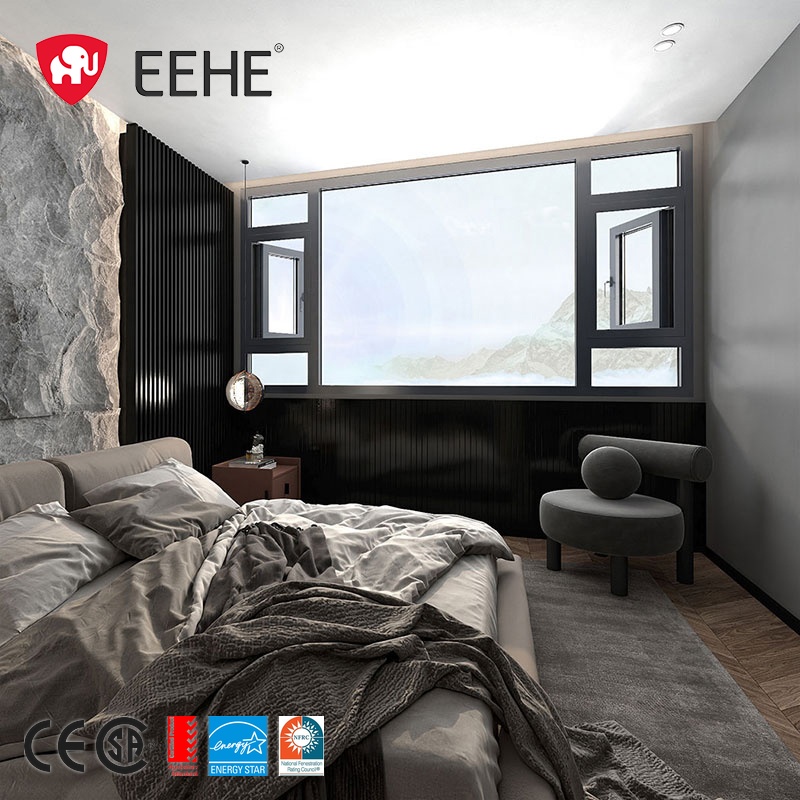
EEHE Casement Window Cold Climate Anti-Fall Heavy Duty Crank Aluminum Tripled Glass Casement Window for Residential NFRC CSA
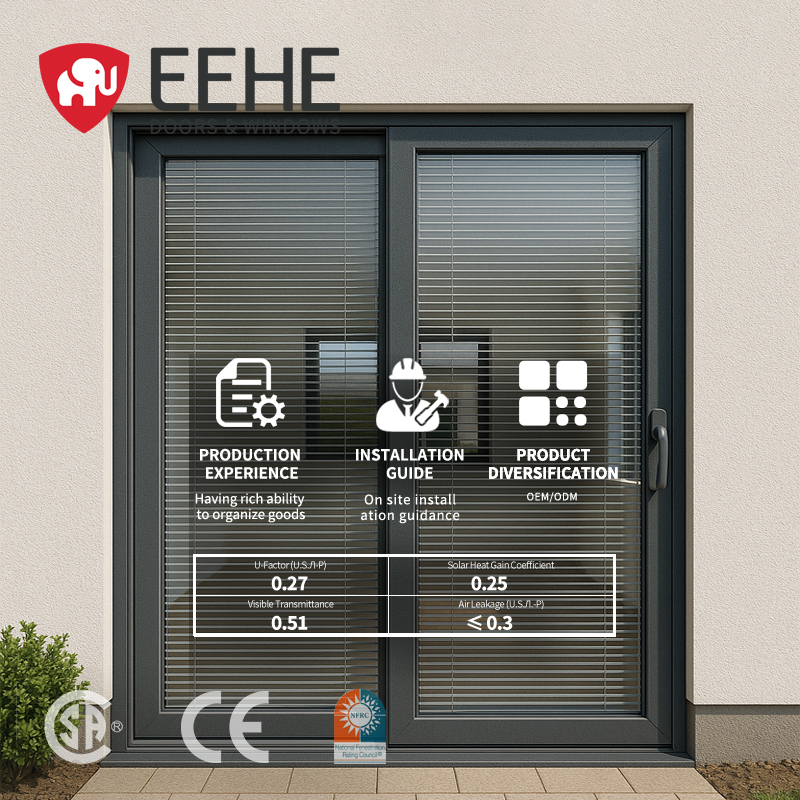
EEHE Commercial Sliding Aluminum Door Double Glazed Tempered Glass Clean Room Sliding Door for Office Residential Apartments
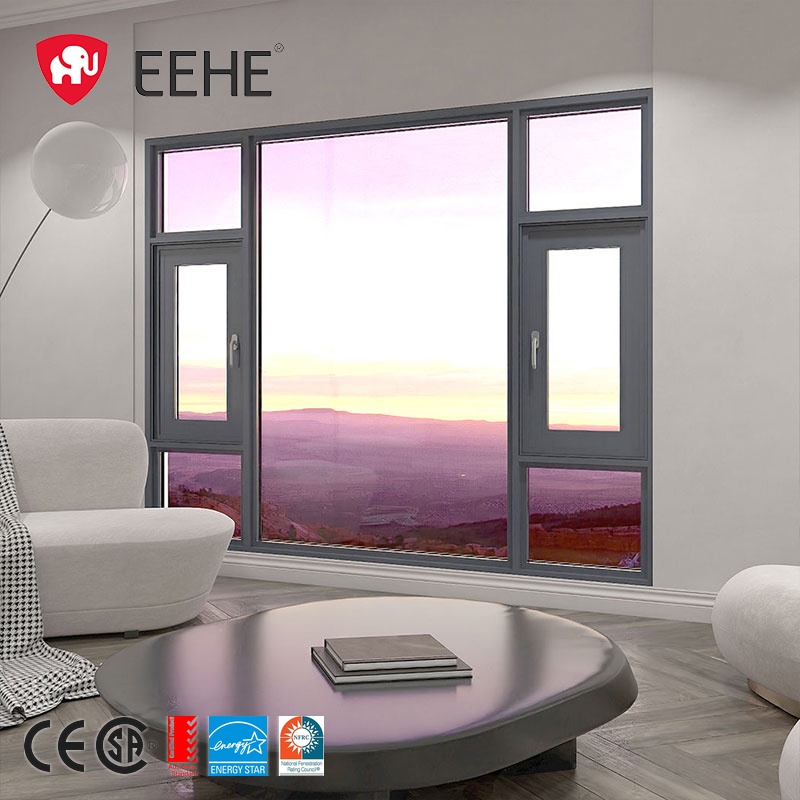
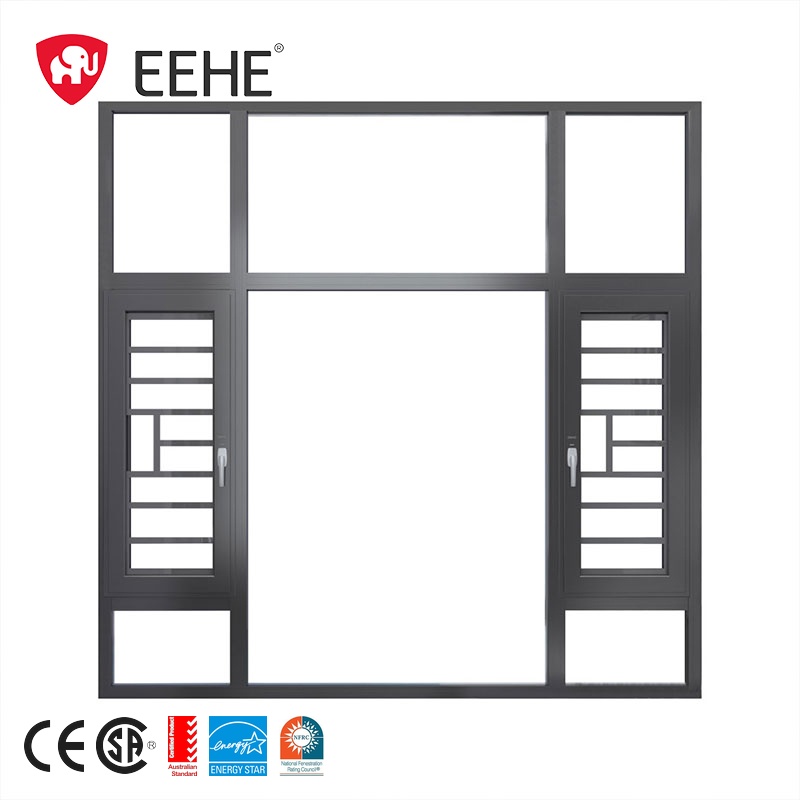
EEHE Casement Window Decorative Internal Grid Bars Aluminum Side Hung Glass Casement Window for Country Villa Home CE CSA
EEHE Casement Window Ultra Clear Low-Iron Tempered Glass Heavy Architectural Casement Window for Modern Studio House CSA CE
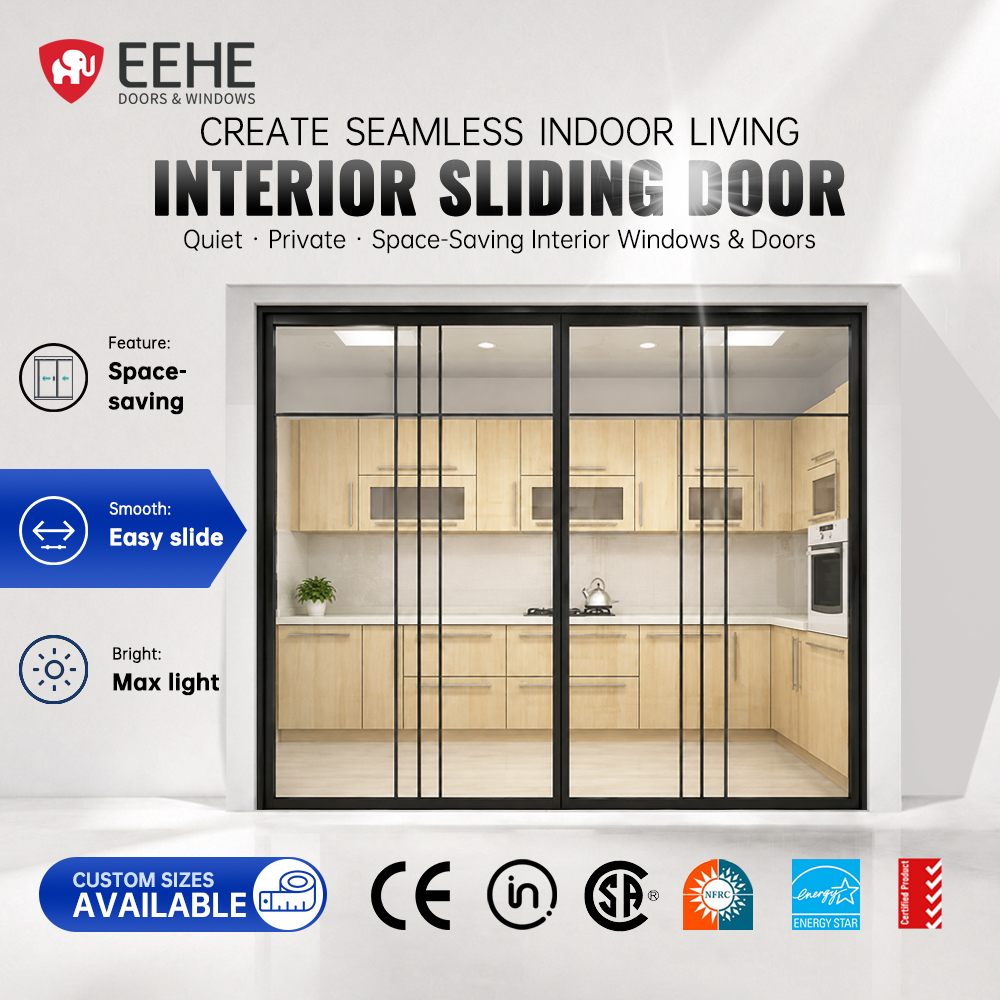
EEHE CE Certified Aluminum Sliding Door Modern Minimalist Double Glazed Trackless Sliding Door for Apartment Bedroom
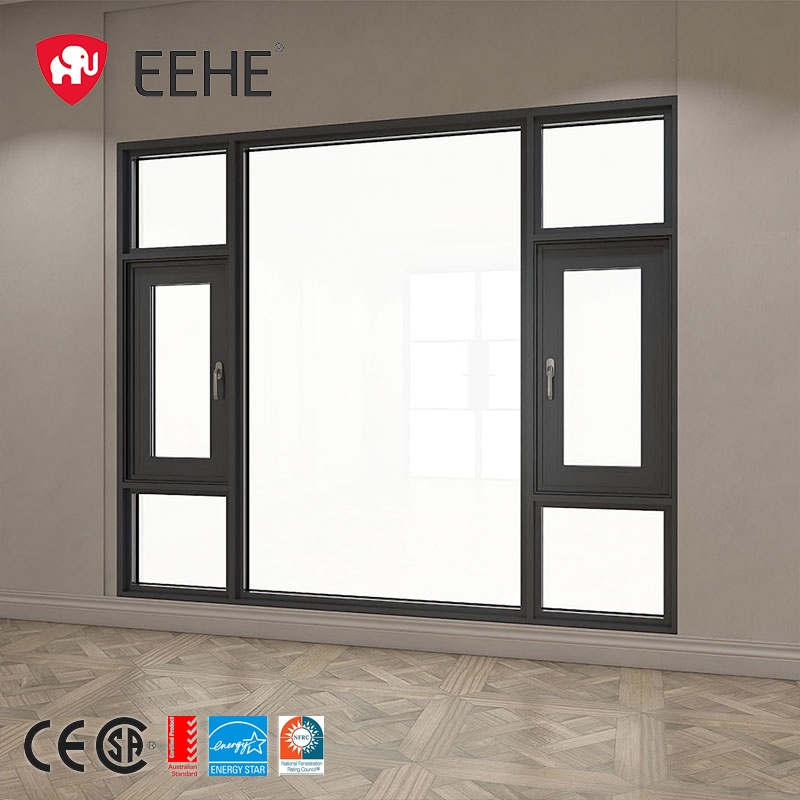
EEHE Casement Window Deep Interlock Multi-Point Compression Aluminum Outswing Casement Window for Cold Climate House CSA AS2047
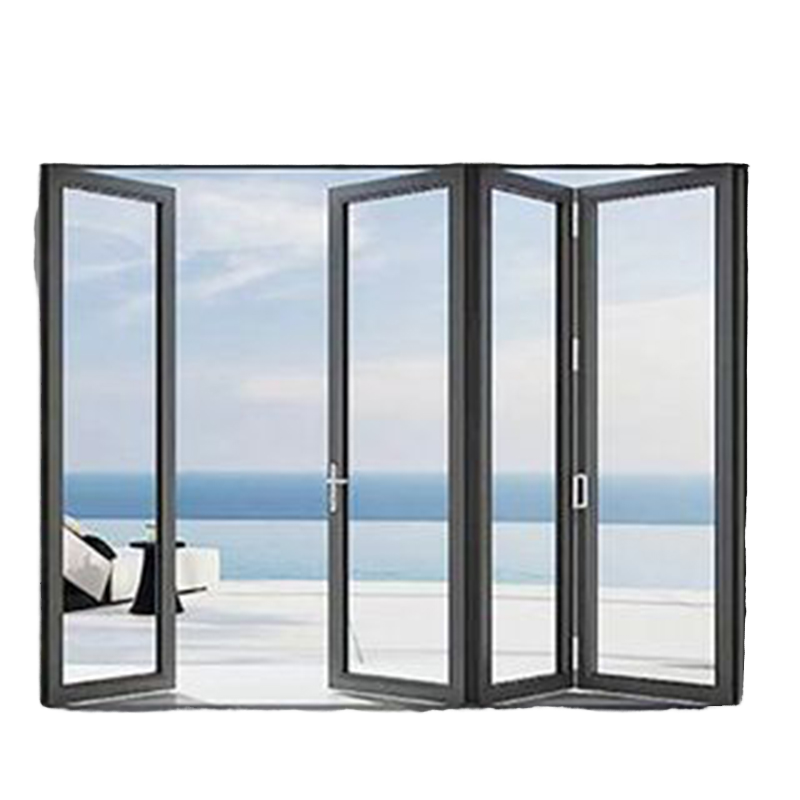
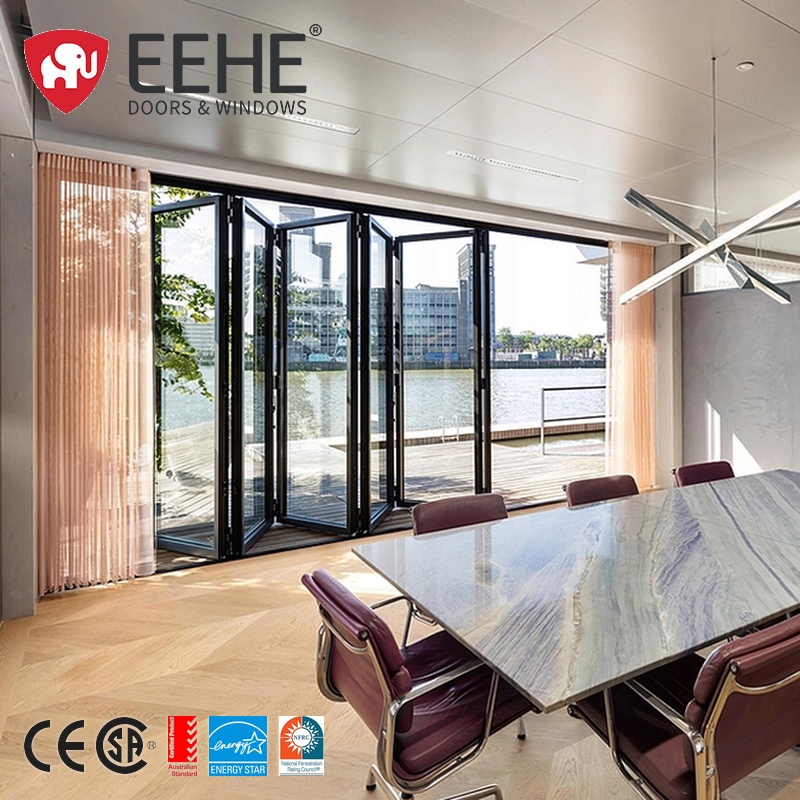
EEHE Aluminum Folding Glass Patio Door With Adjustable Thermal Break, Insulated Energy-Saving Bi-Fold
Industry Whitepaper
Engineering Standards for Architectural Aluminum Windows
A technical deep-dive into profile metallurgy, thermal insulation mechanics, structural resistance, and acoustic engineering for high-specification B2B projects.
Alloy Metallurgy & Structural Integrity
Architectural aluminum windows require precise alloy selection to withstand wind-load forces and operational stress. Commercial grade extrusions utilize primary aluminum billet alloys, predominantly 6063-T5 and 6060-T66. These alloys undergo artificial aging treatments to achieve a minimum tensile strength of 185 MPa and yield strength exceeding 160 MPa. Premium structural profiles feature wall thicknesses ranging from 1.4mm for standard residential casements to 2.0mm–3.0mm for heavy-duty curtain walls and hurricane-impact bi-fold systems, complying strictly with ASTM B221 and EN 755 standards.
Thermal Break & Insulation Systems
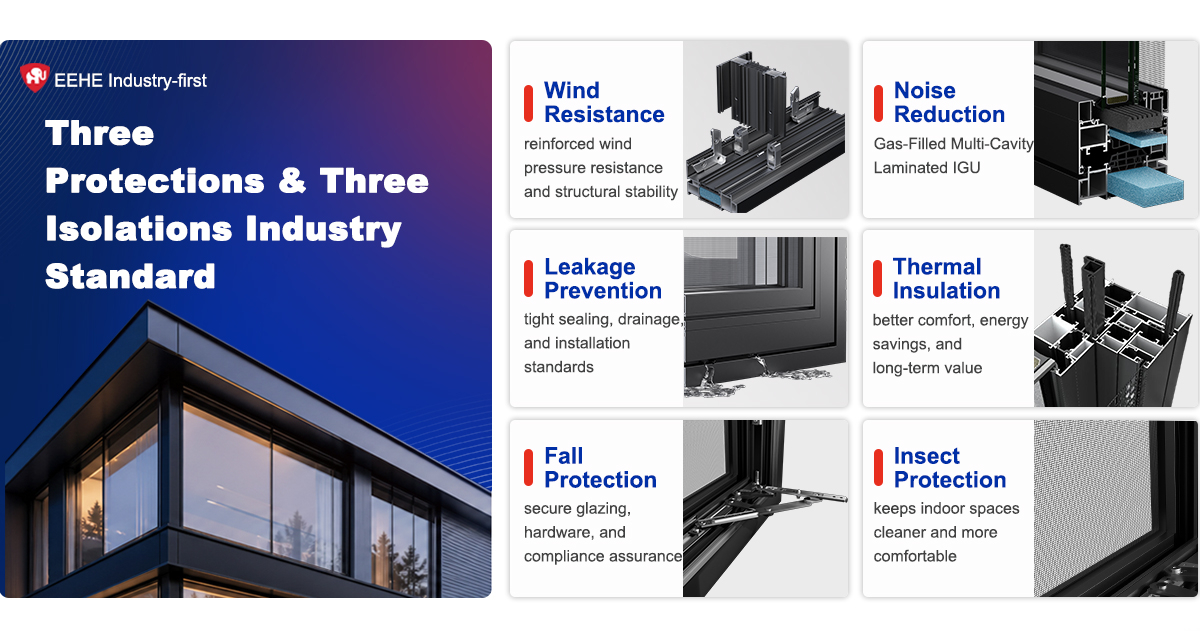
Uninsulated aluminum exhibits high thermal conductivity (~200 W/m·K). To satisfy stringent global energy conservation codes (such as ASHRAE 90.1 and Title 24), modern window profiles integrate structural polyamide thermal barriers. Utilizing PA66GF25 (Polyamide 66 reinforced with 25% glass fiber), the thermal break separates inner and outer aluminum extrusions, reducing frame conductivity by over 90%. When paired with Low-E insulated glass units (IGUs) filled with Argon gas and warm-edge spacers, overall system U-factors drop below 1.2 W/m²K (U-0.21 BTU/h·ft²·°F), preventing interior condensation.
Acoustic Isolation & Sealing Science
Urban fenestration demands high sound transmission loss. Achieving acoustic ratings of STC 38 to STC 45 requires multi-chamber internal extrusion geometries combined with continuous triple-gasket sealing systems made of EPDM (Ethylene Propylene Diene Monomer). Glazing setups utilizing asymmetric glass thickness (e.g., 6mm outer + 12mm Argon + 8mm inner) or acoustic PVB laminated glass disrupt sound waves across varying frequencies, effectively damping external environmental noise in hotel, commercial office, and luxury apartment developments.
Surface Treatments & Weatherability
Aluminum profiles intended for harsh coastal, tropical, or highly polluted microclimates require advanced surface passivation. High-performance powder coatings engineered with Qualicoat Class 2 or Class 3 polyester resins offer color fastness for 15+ years. For extreme UV exposure and marine environments, PVDF (Fluorocarbon 70% Kynar 500) coatings provide immunity against salt spray corrosion exceeding 3,000 hours under ASTM B117 testing, maintaining structural finish and luster without chalking or blistering.
Multi-Point Security & Hardware Integration
Structural opening security relies heavily on multi-point locking gearboxes and concealed heavy-duty hinges. Premium fenestration systems incorporate European groove geometry (Standard C-groove or K-groove) to support German-engineered hardware like Siegenia, Hoppe, or Roto. Multi-point locking pins located along the perimeter engage anti-pry keeps, guaranteeing superior burglar resistance (PAS 24 / RC2 standards) while exerting uniform gasket compression to maximize air permeability and water tightness.
Wind Load Pressure & Water Deflection
High-rise residential towers and coastal villas demand extraordinary structural wind resistance. Windows engineered to Australian AS2047 and North American NFRC/AAMA standards withstand Ultimate Limit State (ULS) wind pressures reaching 4500 Pa or higher. Integrated step-down drainage channels equipped with non-return flap valves ensure rainwater drains outward smoothly, preventing water ingress under severe storm conditions up to 700 Pa water pressure.
Future Outlook
Global Sourcing & Fenestration Trends (2025–2030)
Insights into evolving architectural preferences, carbon neutrality demands, and technological innovations shaping global B2B procurement.
1. Minimalist Ultra-Slim Sightlines
Architects globally are moving away from bulky frames toward ultra-narrow sightlines (20mm–35mm visible interlocks). Concealed frame designs and floor-to-ceiling glass panel configurations demand higher structural stiffness from aluminum alloys, driving the adoption of high-yield 6060-T66 aluminum extrusions paired with structural silicone structural glazing (SSG) mechanics.
2. Vacuum Insulated Glass (VIG) Integration
While double and triple IGUs remain mainstream, Next-Gen fenestration is shifting toward Vacuum Insulated Glass (VIG). With a 0.2mm vacuum space between glass sheets, VIG delivers U-factors as low as 0.60 W/m²K in a profile thickness of just 8mm–10mm, enabling lightweight windows that dramatically cut shipping costs and simplify installation.
3. Circular Economy & Low-Carbon Aluminum
Environmental Product Declarations (EPDs) are increasingly mandatory for B2B procurement in North America and Europe. Leading Chinese manufacturers are transitioning to hydro-powered smelting processes and utilizing up to 75% recycled scrap aluminum billets, reducing embedded carbon footprints from 18kg CO2/kg to under 4.0kg CO2/kg aluminum profile.
Manufacturer Profile
Guangdong SPD Doors & Windows Technology Co., Ltd.
Operating out of Foshan—China's world-leading industrial cluster for architectural aluminum extrusion—SPD Doors & Windows spans a massive 100,000 m² modern manufacturing facility staffed by 560+ skilled engineers and technician specialists.
With over 18 years of dedicated OEM/ODM export expertise, our operations are verified on-site by SGS. We hold 6 structural patents and provide complete fenestration solutions tested to NFRC, CSA, CE, and AS2047 international standards.
- ✓ 100,000 m² In-House Production Facility
- ✓ 560 Skilled Technical Staff & Engineers
- ✓ SGS Independent Third-Party Verified
- ✓ NFRC & CE Certified Window Systems
- ✓ 6 Structural & Thermal Utility Patents
- ✓ Export Delivery to 80+ Global Markets
Specification Matrix
Engineering Specifications & Performance Benchmarks
Technical options available for global B2B procurement, architectural customization, and code compliance.
| Specification Parameter | Standard Configuration Option | High-Performance / Premium Option | Testing & Compliance Standards |
|---|---|---|---|
| Alloy & Temper | Aluminum Alloy 6063-T5 | Aluminum Alloy 6060-T66 / 6005-T6 | ASTM B221 / GB 5237 |
| Frame Wall Thickness | 1.4mm to 1.8mm (Residential) | 2.0mm to 3.0mm (Heavy Commercial) | EN 12020 / AS2047 |
| Thermal Insulation | 14.8mm Polyamide PA66GF25 Strip | 24mm to 34mm PA66GF25 + Foam Fill | ISO 10077-2 / NFRC 100 |
| Glazing Assembly | 5mm + 12A + 5mm Double Tempered | 6mm Low-E + 16A + 6mm + 16A + 6mm Triple | ASTM E2190 / CE EN 1279 |
| Surface Finish | AkzoNobel Powder Coating (60-80μm) | 70% PVDF Fluorocarbon / Anodized 25μm | AAMA 2605 / Qualicoat Class 3 |
| Acoustic Rating | STC 32 - 35 dB | STC 40 - 45 dB (Laminated Acoustic) | ASTM E90 / ISO 140-3 |
| Air Permeability | Class 4 (600 Pa) | Class 4+ / AE 1200 Pa | EN 12207 / AAMA 101 |
| Water Resistance | 450 Pa | 700 Pa - 1000 Pa (Hurricane Rated) | EN 12208 / AS4420.5 |
Buyer Guidance
Frequently Asked Questions for B2B Procurement
Addressing common queries regarding OEM customization, structural engineering review, factory verification, and shipping.
Q1
Is SPD a manufacturer or a trading company?
SPD (Guangdong SPD Doors & Windows Technology Co., Ltd.) is a direct manufacturer operating a 100,000 m² factory facility in Dali Town, Foshan, Guangdong Province—the aluminum manufacturing hub of China. Our plant is verified on-site by SGS and employs over 560 dedicated personnel across profile cutting, CNC machining, glass assembly, and quality control departments.
Q2
Can you manufacture strictly according to local building codes and shop drawings?
Yes. We specialize in design-based OEM/ODM manufacturing. Our engineering department reviews your architectural DWG/BIM drawings, structural wind load calculations, and energy performance criteria (e.g., U-factor, SHGC). We offer product series tested and certified for North America (NFRC, CSA), Australia (AS2047, AS1288), and Europe (CE, EN 14351-1).
Q3
What technical information is required to get an accurate project quotation?
To provide a complete engineering quote, please provide: (1) Window/Door elevation schedules with exact opening dimensions, (2) Architectural drawings or profile specifications, (3) Required glazing configuration (e.g., Low-E double, triple insulated, laminated), (4) Desired frame finish and RAL color, (5) Wind load or structural requirements, and (6) Destination sea port for freight estimation.
Q4
How are fragile glass units and heavy aluminum frames packed for ocean shipping?
We employ a multi-stage export packaging protocol. Profiles are wrapped in protective PE anti-scratch film, corner joints are reinforced with thick EVA foam caps, and complete window frames are fully enclosed inside fumigated plywood crates or heavy-duty steel A-frames. Every crate features sea-freight moisture desiccants and clear labeling aligned with your project mark schedule for seamless site unloading.
Q5
What options are available for custom aluminum extrusion profiles and colors?
We provide full extrusion customization services including opening new extrusion dies for proprietary architectural systems. Surface finish options include architectural powder coating (RAL spectrum), PVDF fluorocarbon spraying for high-salinity zones, mechanical anodizing (15-25 microns), and 3D wood-grain heat transfer finishes.
Partner with China's Premier Aluminum Window Manufacturer
Whether you are sourcing custom thermally broken windows for commercial developments, residential luxury projects, or seeking reliable OEM/ODM factory capacity, our engineering team is ready to review your project specs.