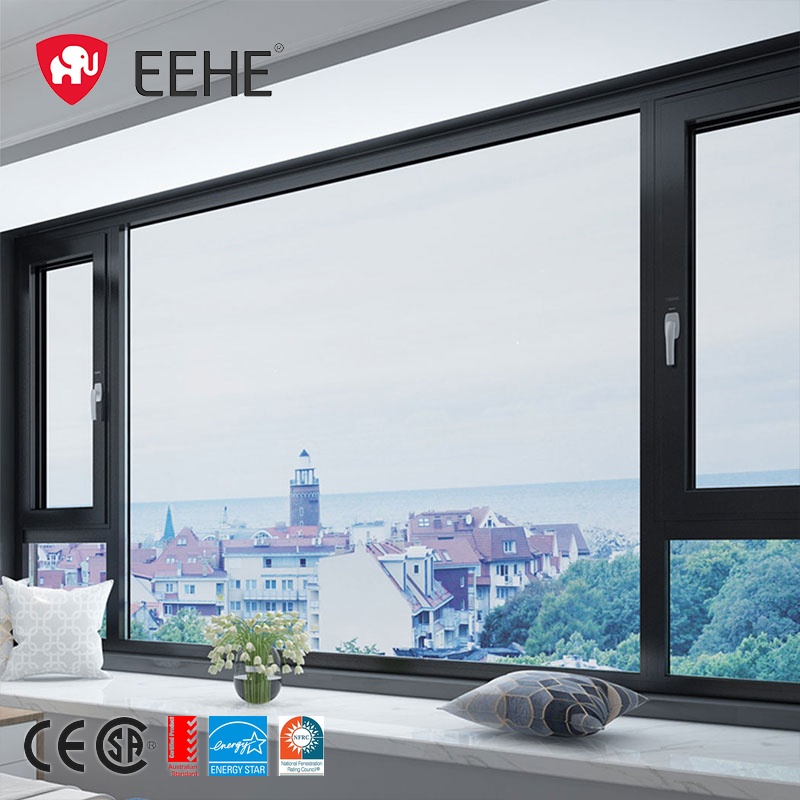
Featured Custom Architectural Product Series
Explore our SGS-audited, high-efficiency aluminum window and door systems configured for commercial, residential, and coastal developments.
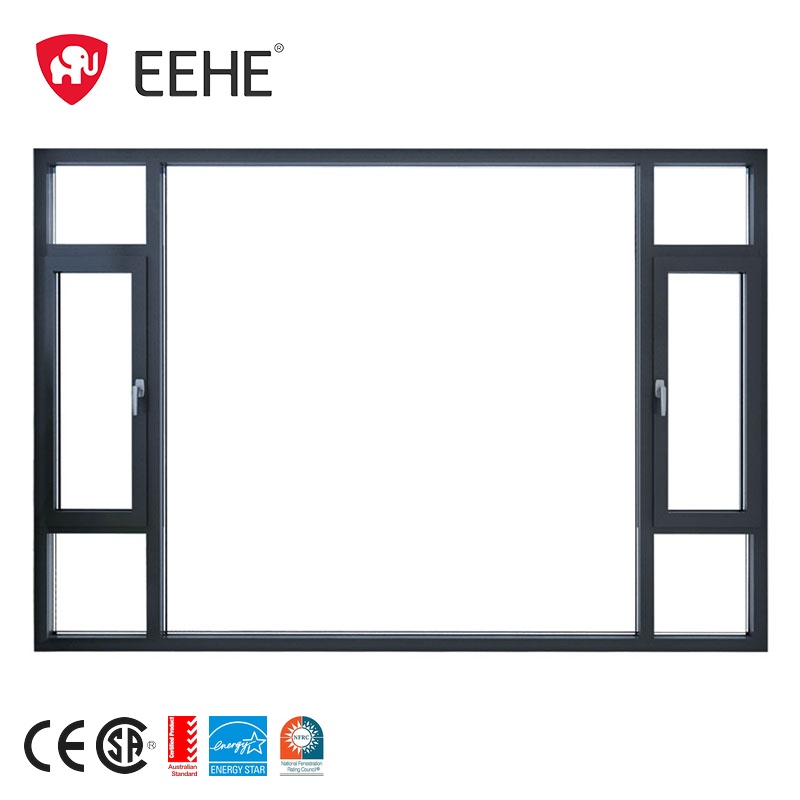
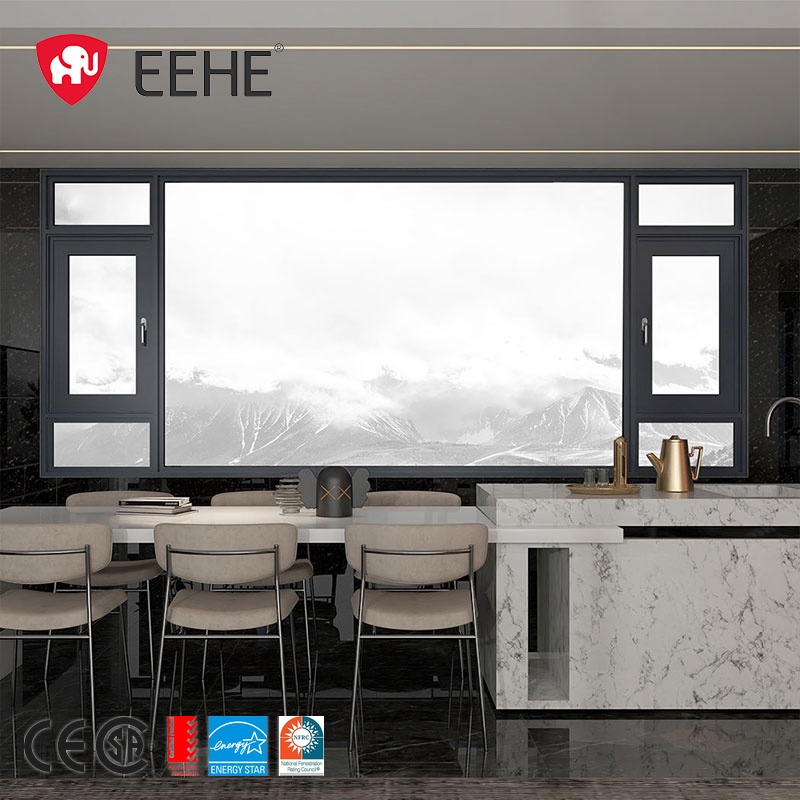
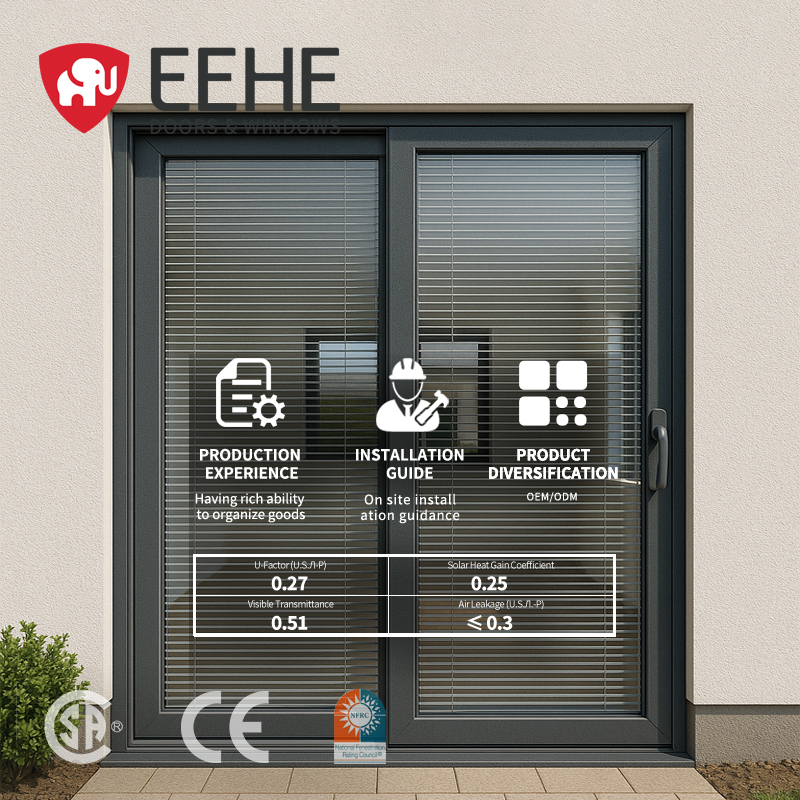



Enterprise OEM Profile
Guangdong SPD Technology: Manufacturing Supremacy in Foshan
Operating directly out of Dali Town, Foshan—the world's most dense architectural aluminum extrusion and hardware manufacturing cluster—Guangdong SPD Doors & Windows Technology Co., Ltd. stands as a premier custom manufacturer and global exporter of heavy-duty, thermally broken fenestration systems.
Our expansive 100,000 m² manufacturing plant houses integrated profile extrusion handling, precision CNC milling centers, corner crimping automated lines, dual-component silicone sealing, and rigorous glass unit assembly. With over 560 dedicated employees and an on-site audit verification by SGS, SPD offers unmatched OEM/ODM agility for architectural firms, general contractors, real estate developers, and international facade distributors.
SGS On-Site Verified OEM Capabilities
- Extrusion Alloy: High-tensile 6063-T5 / T6 Architectural Grade Aluminum Profiles
- Thermal Isolation: Reinforced Polyamide PA66 GF25 Structural Thermal Struts
- International Compliance: Tested for NFRC (USA), AS2047 (Australia), CSA (Canada), and CE (Europe)
- Customization Scope: Full CAD/BIM drawing alignment, glass buildup, hardware selection, and custom powder coat / PVDF surface finishes
Engineering Whitepaper: Technical Architecture of OEM Triple Glazed Aluminum Windows
In modern architectural design, the exterior building envelope is tasked with meeting unprecedented energy efficiency standards, extreme wind pressure resistance, and superior acoustic attenuation. As high-volume custom OEM triple glazed aluminum windows suppliers and exporters, our engineering core centers on resolving the thermodynamic bridge across window assemblies without sacrificing structural slimness or visual clarity.
1. Thermodynamic Insulation physics & $U$-Factor Optimization
Standard double-glazed window configurations frequently fail to meet the stringent demands of Net-Zero Energy (NZE) buildings and Passive House certifications in climate zones with extreme winter or intense solar cooling loads. Triple glazed aluminum window assemblies solve this by introducing dual sealed insulated glass units (IGU) equipped with warm-edge spacers, selective Low-Emissivity (Low-E) surface coatings, and noble gas infills (typically 90% Argon or Krypton gas).
The total heat transfer coefficient of a window ($U_w$) is derived from the interaction between the center-of-glass thermal transmittance ($U_g$), the frame profile heat transfer ($U_f$), and the linear thermal bridge coefficient ($\Psi_g$):
U_w = (A_g * U_g + A_f * U_f + L_g * \Psi_g) / (A_g + A_f)
By implementing 24mm to 34mm wide PA66 GF25 polyamide thermal breaks inside our extruded aluminum profiles, SPD achieves frame values ($U_f$) down to 1.3 W/m²K. Coupled with triple Low-E glazing stacks (such as Double Silver Low-E on surface #2 and surface #5), center-of-glass values ($U_g$) plummet to 0.6 W/m²K (0.10 Btu/h·ft²·°F), enabling an overall window performance ($U_w$) that easily surpasses North American NFRC Energy Star criteria and European Passivhaus thresholds.
| Glazing System Configuration | Overall Thermal Value ($U_w$) | Solar Heat Gain Coefficient (SHGC) | Acoustic Isolation (STC Rating) | Condensation Resistance Factor (CRF) |
|---|---|---|---|---|
| Standard Monolithic Glazing (Non-Thermal Break) | 5.4 W/m²K (0.95 Btu) | 0.72 | STC 26 - 28 dB | CRF 35 |
| Standard Thermal Break Double Glazed (Low-E + Air) | 2.2 W/m²K (0.38 Btu) | 0.38 - 0.45 | STC 32 - 35 dB | CRF 55 |
| SPD OEM Triple Glazed (PA66 Thermal Break + Argon + Warm Edge) | 0.8 - 1.2 W/m²K (0.14 - 0.21 Btu) | 0.22 - 0.32 | STC 42 - 48 dB | CRF 78+ |
| SPD High-Acoustic Laminate Triple Glazed Hybrid | 0.75 W/m²K (0.13 Btu) | 0.18 - 0.25 | STC 50+ dB | CRF 82+ |
2. Acoustic Isolation Dynamics (STC & OITC Performance)
Urban density, proximity to highways, airport flight paths, and commercial districts demand advanced sound dampening properties from external fenestration. Sound Transmission Class (STC) and Outdoor-Indoor Transmission Class (OITC) are critically governed by mass, air cavity depth, and asymmetric glass pane thickness within triple glazed units.
SPD's structural glazing design utilizes dissimilar glass thickness combinations (e.g., 6mm Outer Glass + 12mm Argon Spacer + 4mm Center Glass + 12mm Argon Spacer + 8mm Laminated Inner Glass). This asymmetry disrupts acoustic wave coincidence frequencies, preventing resonance sympathetic vibration and reducing decibel penetration by up to 48 dB—effectively neutralizing low-frequency traffic rumbles and high-frequency noise pollution.
3. Structural Wind Pressure Resistance & Water Tightness Mechanics
For coastal villas, high-rise luxury apartments, and resort developments, structural stability during extreme weather events is non-negotiable. Our triple glazed aluminum windows feature heavy-wall aluminum extrusions (1.8mm to 3.0mm wall thickness) engineered to withstand wind pressure loads up to 5000 Pa (equivalent to Category 5 hurricane pressures).
- Multi-Chamber Pressure-Equalized Drainage: Internal profile cavities feature stepped drainage chambers that divert rainwater outward under high wind conditions, eliminating back-pressure water ingress.
- Continuous EPDM Ternary Rubber Gaskets: Three-layer vulcanized EPDM perimeter seals preserve elasticity under extreme UV radiation and temperatures ranging from -40°C to +120°C, delivering Class 4 air permeability (BS EN 12207 standard).
- Heavy-Duty European Hardware Integration: Concealed friction hinges, multi-point locking gear drives, and anti-mishandling mechanisms ensure equalized gasket compression around the entire sash perimeter.
Future Procurement Trends in Architectural Fenestration (2025–2030)
As international energy policies tighten and green building mandates (such as US LEED v4.1, BREEAM, and EU EPBD directives) take full effect, global B2B procurement strategies for doors and windows are shifting dramatically. Key trends transforming the sourcing landscape for importers, developers, and trade buyers include:
Embodied Carbon Reduction
Developers are prioritizing architectural suppliers that utilize recycled aluminum billets processed via low-carbon hydro-electric smelters. SPD's extrusion supply chain incorporates up to 60% post-industrial recycled aluminum without compromising structural yield strength.
Prefabricated & Modular Glazing
To offset rising site labor costs in North America, Europe, and Australia, procurement directors prefer fully assembled, pre-glazed, sub-frame integrated units. SPD provides factory-fitted sub-frames, nail fins, and pre-drilled fixing points ready for rapid site installation.
Rigorous Compliance & Traceability
Importers require independent, downloadable test reports for every batch order. Direct supplier partnerships with verified factories like SPD ensure complete material traceability, mill test reports (MTR), and certified laboratory performance sheets.
Next-Generation Technological & Material Development Trends
The architectural window sector is undergoing a massive technological evolution, moving beyond standard dual-pane glass into high-efficiency smart envelope systems. Key technological trends pioneered by OEM suppliers include:
1. Vacuum Insulated Glass (VIG) Hybrid Integration
By incorporating a micro-vacuum gap (0.2mm cavity with micro-support pillars) into a triple glazed unit, total glass profile depth is reduced by 40% while doubling the thermal resistance ($R$-value). SPD's R&D engineering team actively works with next-gen VIG hybrid combinations to produce ultra-slim profiles ideal for modern minimalist luxury residences.
2. Aerogel-Infused Thermal Break Cavities
Filling internal profile chambers with hydrophobic silica aerogel insulation reduces convection currents inside the aluminum frame. Combined with multi-cavity EPDM thermal foams, frame thermal bridge losses are virtually eradicated, making triple glazed windows capable of operating in sub-zero sub-Arctic conditions.
3. Solar Control Electrochromic & BIPV Windows
Integrating Building Integrated Photovoltaics (BIPV) inside fixed triple glazed window transoms transforms glass facades into power-generating assets. Concurrently, electrochromic dynamic tinting glass allows occupants to automatically shift SHGC values via smart home systems or sensor-driven building automation.
Guangdong SPD OEM Manufacturing Advantage & Execution Process
Selecting the correct OEM exporter in China is critical for project success. With 18+ years of dedicated export experience, SPD streamlines the entire procurement journey through a structured 6-stage engineering process:
1. Architectural CAD/BIM Review
Our fenestration engineers analyze your architectural window schedule, elevation drawings, wind load metrics, and local building codes to suggest optimized profile depths and glazing builds.
2. Precise Costing & Value Engineering
We provide itemized commercial proposals detailing frame alloy grades, glass coating specs, hardware brands (e.g., German Siegenia/CMECH/HOPO), surface finish warranties, and FOB/CIF shipping quotes.
3. Prototype Sample & Mockup Approval
Prior to full production, physical corner section samples, surface color swatches (RAL, Anodized, PVDF, Wood Grain), and 1:1 scale mockup units are dispatched for architect verification.
4. Automated Fabrication & In-Line QC
Profiles are processed on dual-head CNC cutting machines, crimped with internal corner cleats and structural epoxy, and assembled inside controlled clean-rooms with double sealant glass lines.
Frequently Asked Questions (FAQ) for B2B Procurement
What are the key technical advantages of triple glazed aluminum windows over double glazed units?
Triple glazed aluminum windows incorporate three panes of glass creating two insulating hermetically sealed cavities filled with Argon or Krypton gas. This reduces the overall $U$-value by up to 50% compared to standard double glazing, significantly lowers heating and cooling HVAC loads, enhances Acoustic Sound Transmission Class (STC) ratings up to 48dB+, and virtually eliminates interior glass condensation in extreme climates.
Is Guangdong SPD Doors & Windows Technology Co., Ltd. a direct factory or a trading company?
SPD is a direct custom manufacturer operating its own 100,000 m² manufacturing facility in Dali Town, Foshan, Guangdong Province, China, with 560 full-time staff. Our manufacturing site, machinery, and production procedures have been fully audited and verified on-site by SGS, an independent global inspection body.
Can SPD manufacture custom windows according to our architectural drawings and regional standards?
Yes. We specialize in complete OEM and ODM customization based on project drawings, window schedules, and engineering specifications. Our product series are engineered to meet NFRC (North America), AS2047 (Australia), CSA (Canada), and CE (European Union) structural, air infiltration, water resistance, and energy efficiency performance criteria.
What essential information should I provide to receive an accurate factory quotation?
To generate a precise engineering proposal and commercial offer, please supply: 1) Architectural CAD drawings or window elevation schedules with dimensions; 2) Desired opening types (e.g., Tilt-Turn, Fixed, Outswing Casement); 3) Preferred frame surface finish and RAL color; 4) Glazing build-up specifications (e.g., Triple Low-E, Argon, Tempered); and 5) Destination port for shipping calculations.
How are fragile triple-glazed units protected and packaged for international sea freight shipment?
Every manufactured unit undergoes final quality inspection before being wrapped in protective blue film, fitted with heavy-duty corner guards, encased in shock-absorbing EPE foam, and loaded into fully enclosed fumigated plywood crates or steel A-frame racks. Crates are labeled with mark codes matching your architectural schedule for rapid site sorting upon container arrival.
What thermal break materials and surface coating options are available for custom orders?
We exclusively utilize high-grade Polyamide PA66 GF25 structural insulation strips for thermal breaks. Frame surface treatments include AkzoNobel architectural powder coatings, Fluorocarbon (PVDF) 3-coat marine coatings for anti-corrosion protection in coastal environments, Anodized finishes (up to 25 microns), and Italian heat-transfer Wood Grain finishes.
Partner with a Trusted OEM Triple Glazed Window Exporter
Elevate your architectural project with engineered aluminum fenestration systems. Contact our Foshan technical engineering team today for instant drawing reviews, sample requests, and competitive direct factory proposals.
Get a Quote