Architectural Windows & Doors Procurement Selection
Direct from Guangdong SPD Doors & Windows Technology Co., Ltd. — Verified Foshan OEM/ODM Production Hub.
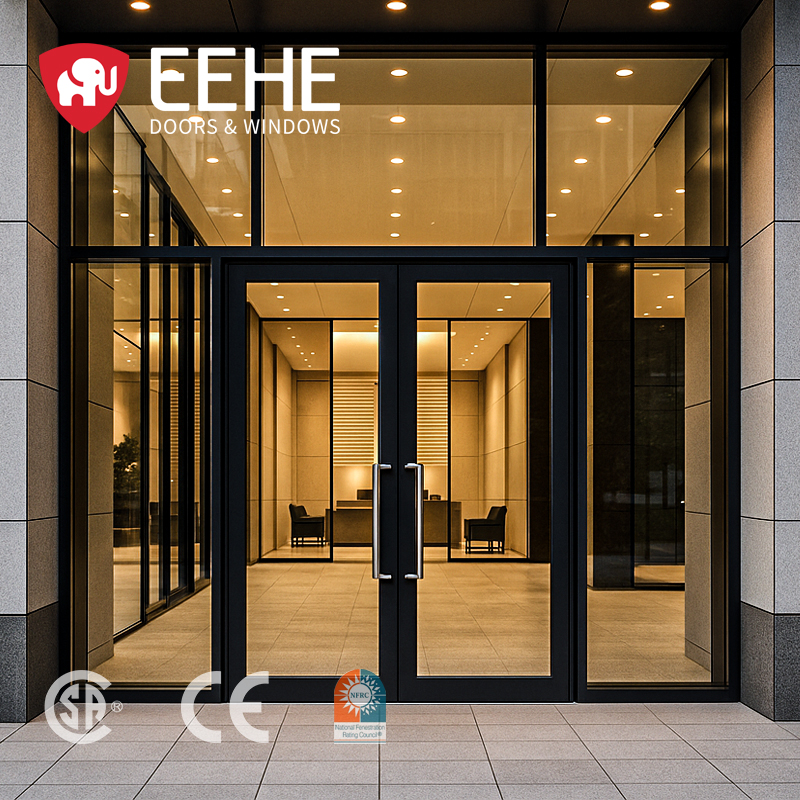
EEHE Commercial Exterior Modern Aluminum Glass Door NFRC Certified
View Product Specifications
EEHE Aluminum Folding Door Weatherproof Multi-Point Lock AS2047 CE
View Product Specifications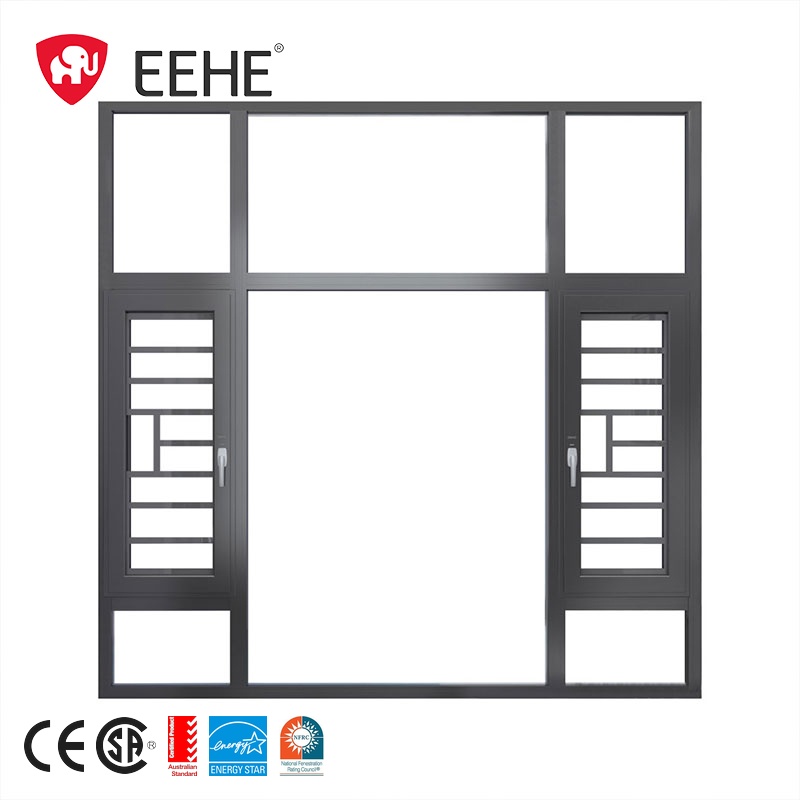
EEHE Casement Window Ultra Clear Low-Iron Tempered Glass CSA CE
View Product Specifications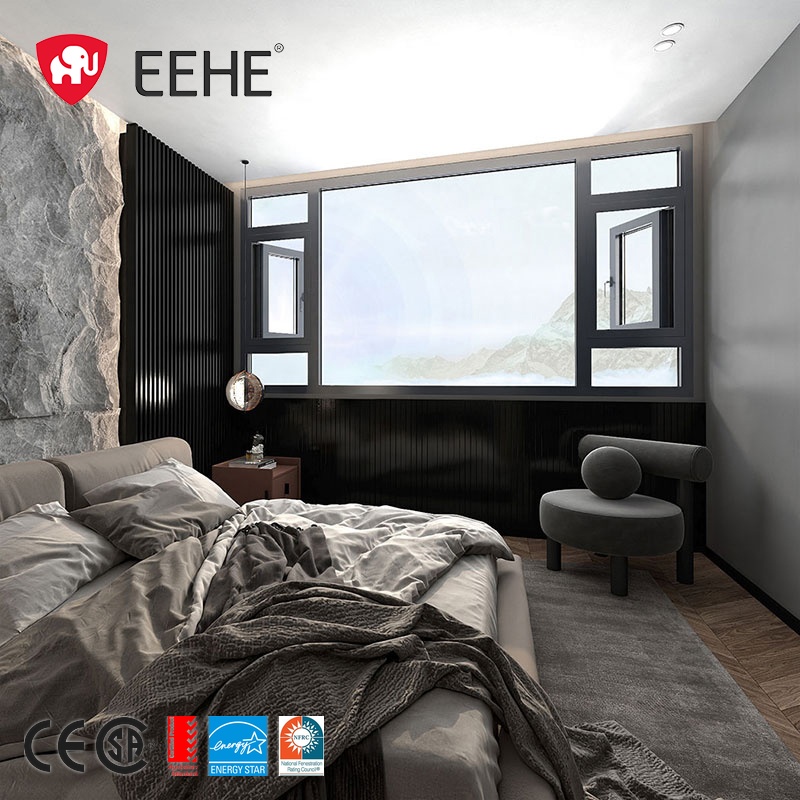
EEHE Casement Window Cold Climate Heavy Duty Triple Glass NFRC
View Product Specifications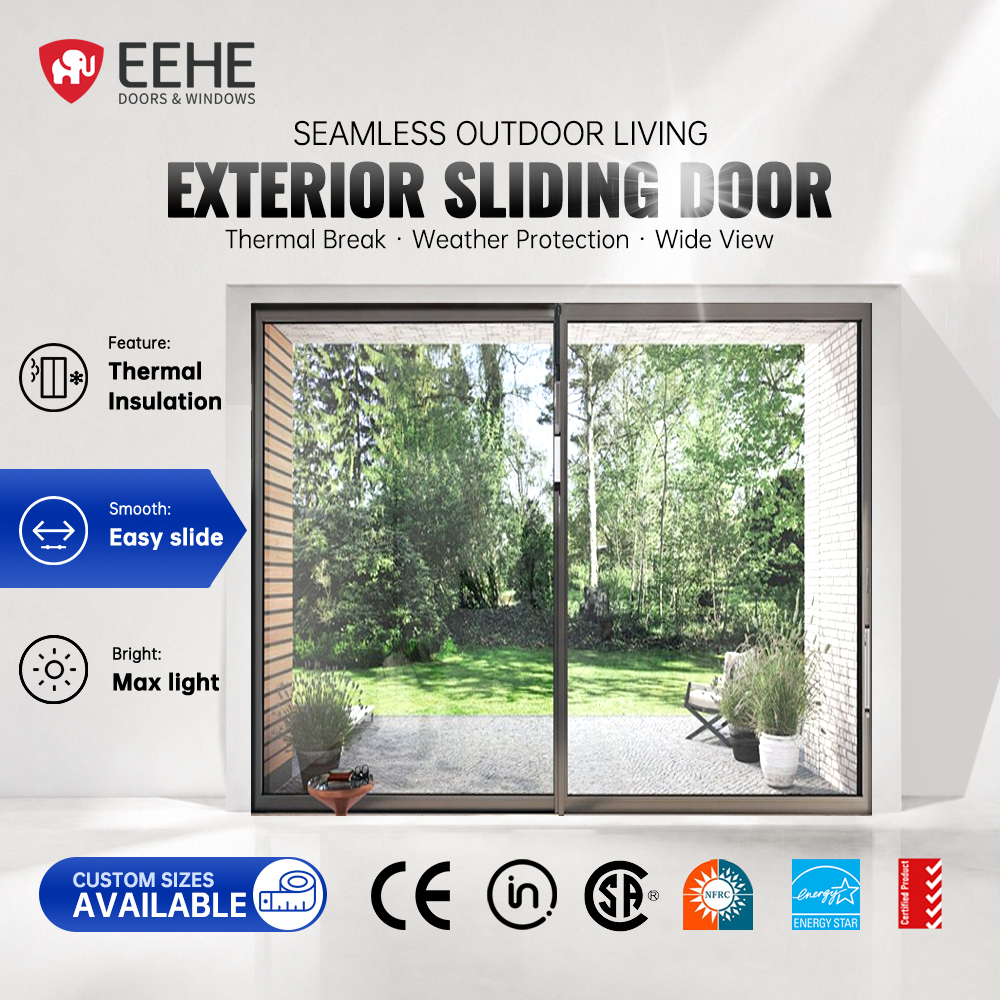
EEHE Oversized Aluminum Sliding Door NFRC Certified Double Glazed
View Product Specifications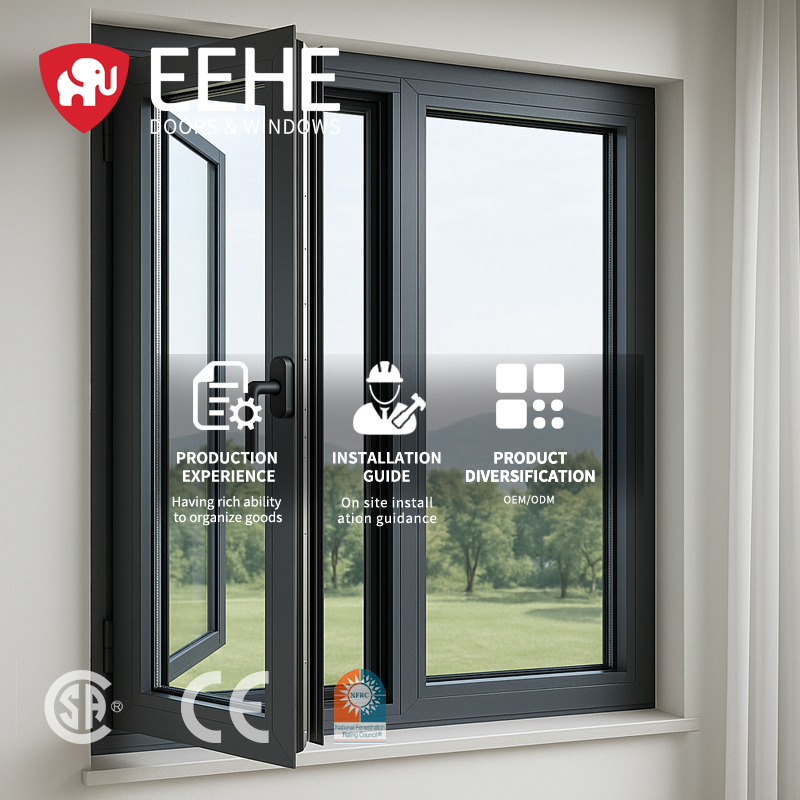
EEHE Modern Arched Thermal Insulation Casement Windows NFRC
View Product Specifications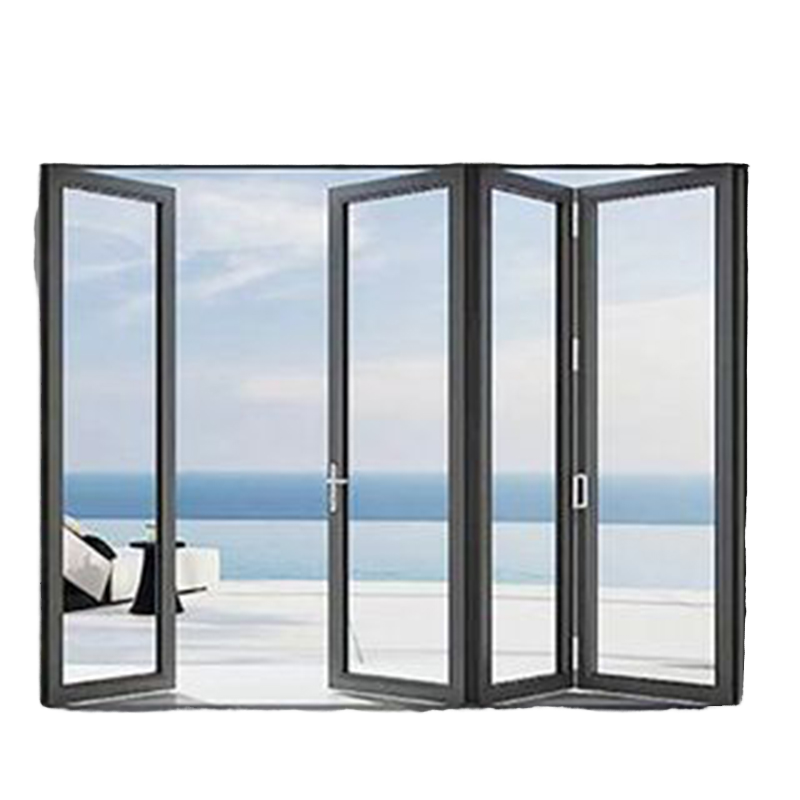
EEHE Insulated Aluminum Bi-Fold Patio Door Adjustable Thermal Break
View Product Specifications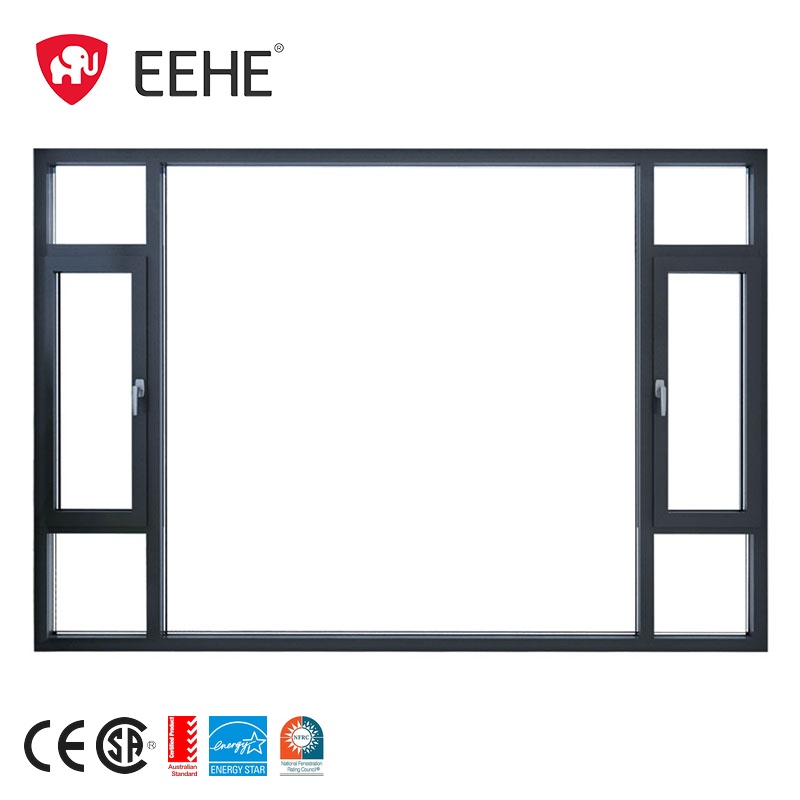
EEHE Casement Window Thermal Break Low-E Argon Glass Villa NFRC
View Product SpecificationsExecutive Summary: The Modern Renaissance of Aluminum Double-Hung Fenestration
In modern architectural engineering and high-performance commercial construction, selecting an optimal fenestration system requires balancing aesthetic heritage, structural durability, energy efficiency, and lifecycle cost. As a global leader in architectural aluminum systems based in Foshan, China, Guangdong SPD Doors & Windows Technology Co., Ltd. presents this comprehensive whitepaper to assist commercial real estate developers, facade engineers, architectural specifiers, and trade importers in navigating the engineering parameters of Custom OEM Aluminum Double-Hung Windows.
Unlike traditional timber or vinyl (uPVC) alternatives, extrudable high-tensile aluminum alloy profiles provide superior structural moment-of-inertia, allowing for slimmer sightlines, larger vertical spans, and unmatched resistance to extreme environmental loads. A double-hung window system—characterized by two vertically sliding sashes that operate independently within a single frame—provides distinct aerodynamic and thermodynamic advantages, including natural stack-effect ventilation and ergonomic interior maintenance capability. Through custom Original Equipment Manufacturer (OEM) and Original Design Manufacturer (ODM) engineering, aluminum double-hung systems can be tailored to meet stringent building energy codes (NFRC, Title 24, AS2047, and EN 14351-1), sound mitigation mandates, and structural wind-load requirements up to hurricane-zone pressures.
1. Thermodynamic & Structural Engineering of Double-Hung Systems
Understanding the physics of vertical sash movement and thermodynamic airflow is essential for facade engineers seeking to optimize building microclimates.
1.1 Natural Stack Effect & Aerodynamic Air Exchange
Double-hung windows offer a unique thermal advantage over single-hung or horizontal sliding windows through simultaneous top-and-bottom sash opening. By opening both the upper sash and lower sash partially, a natural thermal loop is created based on air density differentials:
- Upper Sash Exhaust: Warm interior air, being less dense, rises naturally toward the ceiling and exits through the open upper sash.
- Lower Sash Intake: Cooler exterior air, having higher density, is drawn inward through the lower sash opening to equalize interior pressure.
This passive convective cooling mechanism substantially reduces building HVAC energy consumption during spring and autumn seasons, supporting LEED and BREEAM sustainability ratings for commercial and multi-family residential developments.
1.2 Extruded Aluminum Alloy Specifications: 6063-T5 vs. 6063-T6
The structural skeleton of an architectural double-hung window relies on precision-extruded aluminum alloys. At Guangdong SPD, primary profiles are extruded from prime-grade 6063 aluminum billets subjected to controlled thermal precipitation hardening:
- 6063-T5 Alloy: Air-quenched and artificially aged. Yield strength ≥ 110 MPa, Tensile strength ≥ 160 MPa. Offers exceptional surface smoothness for anodizing and architectural powder coating, ideal for standard residential and mid-rise commercial frames.
- 6063-T6 Alloy: Water-quenched and artificially aged. Yield strength ≥ 170 MPa, Tensile strength ≥ 205 MPa. Engineered for heavy-duty commercial mullions, coastal high-rise applications, and oversized sash structures requiring superior deflection resistance under severe wind loads (up to 5000 Pa).
1.3 Polyamide Thermal Break Engineering (PA66-GF25)
To eliminate aluminum's inherent thermal conductivity (k ≈ 160-200 W/m·K), SPD incorporates advanced non-conductive structural thermal breaks. We utilize precision-engineered Polyamide PA66 reinforced with 25% glass fiber (PA66-GF25). This composite material mirrors the coefficient of thermal expansion of aluminum alloy (α ≈ 2.3 × 10⁻⁵ /K), preventing internal shear stress, structural delamination, or air-leakage during severe thermal cycling (-30°C to +80°C).
By splitting the aluminum profile into exterior and interior chambers connected via PA66-GF25 strut bars (ranging from 14.8mm to 34mm in depth), frame U-factors are dramatically reduced from U > 5.0 W/m²K down to U ≤ 1.4 W/m²K when combined with warm-edge insulated glass units (IGUs).
| Performance Indicator | Standard Non-Thermal Frame | SPD Thermally Broken OEM Frame | Testing / Compliance Benchmark |
|---|---|---|---|
| Frame U-Factor (Thermal Transmittance) | > 5.2 W/m²K (0.92 BTU/hr·ft²·°F) | 1.4 - 1.8 W/m²K (0.24 - 0.31 BTU/hr·ft²·°F) | NFRC 100 / ISO 10077-2 |
| Air Infiltration / Exfiltration Rate | 0.75 L/s·m² @ 75 Pa | ≤ 0.08 L/s·m² @ 75 Pa | ASTM E283 / AS4420.2 |
| Water Penetration Resistance | 250 Pa (5.21 psf) | 600 Pa - 1000 Pa (12.5 - 20.8 psf) | ASTM E331 / AAMA 501 |
| Acoustic Isolation (STC Rating) | STC 26 - 28 dB | STC 38 - 45 dB (with Laminated IGU) | ASTM E90 / ISO 140-3 |
| Structural Wind Load Resistance | 1500 Pa (Serviceability) | Up to 5000 Pa (Design Pressure 100 psf) | ASTM E330 / AS2047 |
2. Mechanical Counterbalance Systems & Hardware Ergonomics
The operational reliability of a custom double-hung window depends entirely on its mechanical sash balance system. Because sashes slide vertically against gravity, selecting the appropriate balance force rating ensures smooth fingertip operation and prevents sash drop hazards.
2.1 Constant Force (Spring Balance) Technology
Utilizing high-tensile stainless steel coil springs encased in heavy-duty polymer housings, constant-force balance systems provide uniform tension throughout the entire vertical stroke. Unlike older spiral balances, spring balances require zero field calibration during installation, maintaining smooth mechanical operation over 50,000 continuous opening/closing cycles.
2.2 Ultra-Smooth Block & Tackle Balances
For heavy architectural double-hung sashes weighing over 45 kg (100 lbs)—frequently specified in double- or triple-glazed acoustic applications—SPD integrates heavy-duty block and tackle balances. A combination of precision pulleys and high-strength aircraft cables multiplies spring force, allowing oversized sashes to glided effortlessly while accommodating tilt-in sash release mechanisms for easy exterior glass cleaning from indoors.
2.3 Multi-Point Cam Locking & Security Engineering
Custom OEM double-hung windows manufactured by SPD are equipped with heavy-duty sweep locks and optional concealed multi-point sash locks. For high-security commercial projects, sashes feature internal stainless steel locking dogs that engage deep into the frame jamb, achieving high forced-entry resistance ratings (AAMA 1304 / PAS 24 certification compliance).
3. Modern Architectural Design Trends & Future OEM Procurement Direction
As international architectural preferences evolve toward minimalist aesthetics and net-zero carbon footprints, procurement teams must align with technical trends transforming the double-hung fenestration sector.
Ultra-Narrow Sightlines
Architects demand maximized daylight harvesting (WWR - Window to Wall Ratio). OEM profile design has shifted toward slim-line interlocks (under 35mm wide) without sacrificing structural steel reinforcement inserts.
Integrated Smart Actuation
BMS-compatible (Building Management System) motorized concealed chain actuators enable automated high-level sash ventilation triggered by indoor CO₂ sensors, humidity levels, or rain detectors.
High-Performance Low-E Glazing
Double and triple IGUs featuring vacuum insulating glass (VIG) or warm-edge spacers with argon gas fill (90%+) achieve near-wall thermal performance (U-values below 0.8 W/m²K).
3.1 Decarbonization & Low-Carbon Aluminum Sourcing
Corporate sustainability targets are driving demand for certified low-carbon primary aluminum (processed using hydro-electric power, reducing embodied carbon to < 4.0 kg CO₂/kg Al). SPD works closely with global developers to provide Environmental Product Declarations (EPDs) and raw material traceability, helping projects achieve embodied carbon reductions under LEED v4.1 and Green Star frameworks.
3.2 Advanced Surface Finishes & Environmental Resilience
To resist corrosive coastal atmospheres (salt spray weathering) and intense solar UV radiation, SPD provides high-specification surface treatment options:
- Fluorocarbon (PVDF / Kynar 500® Coating): Applied via 3-coat electrostatic spraying, achieving 10,000-hour salt spray resistance (AAMA 2605 compliant). Ideal for tropical, coastal, and harsh urban environments.
- Super Durable Architectural Powder Coating: Qualicoat Class 2 certified powders offering high abrasion resistance, zero VOC emissions, and an extensive palette of RAL custom colors.
- Anodized Finishes (20-25 Micron Depth): Electrochemical oxide layer providing authentic metallic depth (silver, champagne, bronze, black) with self-healing corrosion protection properties (AAMA 611).
- Wood-Grain Heat Transfer (Sublimation): Combines the structural strength of aluminum with the natural warmth of timber, ideal for historic renovation projects requiring traditional aesthetics with zero wood rot maintenance.
4. Guangdong SPD Factory Advantages & E-E-A-T Capabilities
When selecting a Chinese manufacturing partner for custom OEM/ODM aluminum double-hung windows, verifiable factory capabilities and technical expertise are paramount. Guangdong SPD Doors & Windows Technology Co., Ltd. stands at the forefront of China's fenestration industry in Dali Town, Foshan.
4.1 Industrial Scale & Integrated Supply Chain
Operating a massive 100,000 m² modern manufacturing facility with over 560 skilled personnel, SPD integrates every step of production in-house: profile extrusion design, CNC precision machining, corner crimping, structural silicone sealant application, IGU glass unit assembly, and final testing. Our location in Foshan—the silicon valley of architectural aluminum—provides immediate access to raw material stock, premium hardware brands (such as Siegenia, Hoppe, Roto, and top Chinese hardware solutions), and logistics channels.
4.2 Verified Quality Control & Independent SGS Audits
SPD operates under ISO 9001 Quality Management Systems and ISO 14001 Environmental Management Systems. Our production site has been verified on-site by SGS (an independent third-party inspection agency), validating our factory scale, production machinery, staff credentials, and export records. Every single double-hung window unit undergoes strict 100% finished-product inspection before packaging:
- Dimensional Accuracy Check: Laser verification of frame diagonal tolerance within ±1.0 mm.
- Sash Balance Calibration: Operation force test to guarantee sash opening/closing effort ≤ 20 N.
- Air & Water Sealing Audit: Random batch pressure-chamber testing for air infiltration and water tightness under simulated rainstorm conditions.
- Protective Packaging Protocol: Protective film layer, corner foam block reinforcement, bubble wrap cushion, and heavy-duty fumigated wooden crate encapsulation designed for ocean container shipment.
4.3 Customized Engineering (OEM / ODM) & Global Compliance
With 6 proprietary utility and design patents, SPD's in-house engineering team provides full architectural shop drawing support (CAD / BIM models) to translate your conceptual designs into mass production. Our window and door series carry key global certifications, including NFRC (National Fenestration Rating Council) certification for North America, CE marking for Europe, AS2047 certification for Australia, and CSA compliance for Canada.
Streamlined OEM/ODM B2B Procurement Journey
End-to-end engineering management from initial CAD drawing review to global site delivery.
1. Architectural Review
Submit your window schedules, architectural elevations, wind load specifications, and target U-factors. Our engineers conduct structural calculations and thermal modeling within 48 hours.
2. Custom Tooling & Samples
If standard extrusions do not meet project demands, SPD creates custom aluminum extrusion dies. Rapid prototyping and physical window samples are delivered via express air freight for client approval.
3. Mass Production & QC
Automated double-head profile cutting, CNC milling, automatic corner crimping, and silicone glazing occur under strict ISO 9001 control across our 100,000 m² plant floor.
4. Container Export & Support
Units are packed into reinforced steel-framed pallets or wooden crates, optimized for sea container loading. Installation guides, engineering shop drawings, and spare hardware kits are included.
Frequently Asked Questions for B2B Importers & Specifiers
Partner with China's Premier Aluminum Fenestration Factory
Request our full product engineering catalog, structural performance test reports, and custom OEM pricing for your upcoming commercial or residential project.
Get Catalog