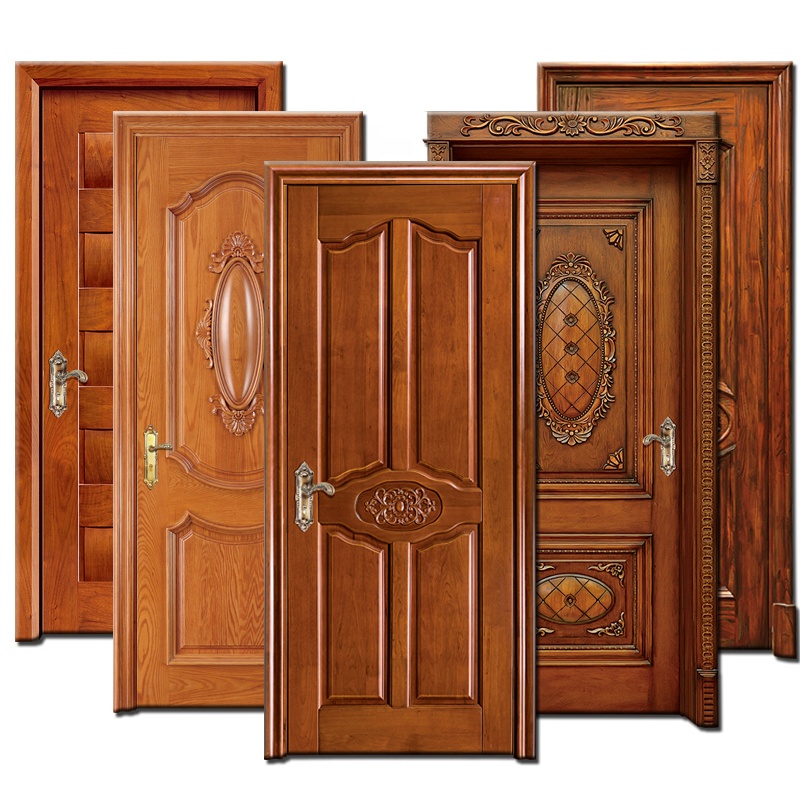
Featured Fenestration Systems
Precision-Engineered Architectural Openings
Explore our export-ready collection of heavy-duty aluminum casement, bi-fold, sliding, and pivot structures certified for modern international projects.
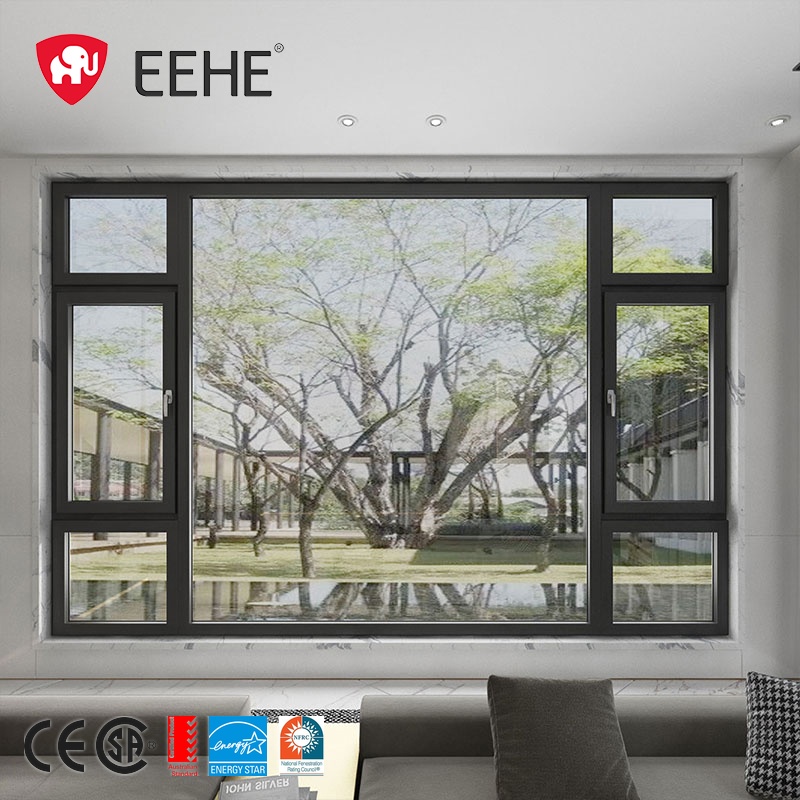
EEHE Push Out Casement Window Multi-Point Lock Friction Hinge Heavy Duty Casement Window
View Product Specs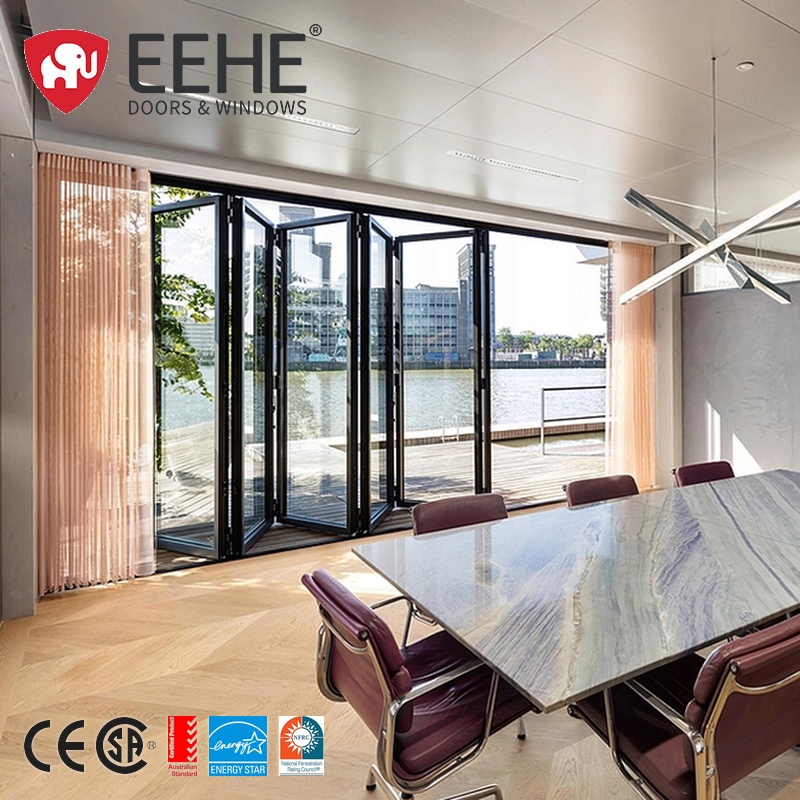
EEHE Aluminum Bi-Fold Door Hurricane Impact Storm Resistant Heavy Duty Folding Glass Door
View Product Specs
EEHE Panoramic Bi-Fold Door Ultra Slim Narrow Sightline Heavy Duty Patio Door
View Product Specs
EEHE Commercial Structural Glazed Heavy Aluminum Project Casement Window
View Product Specs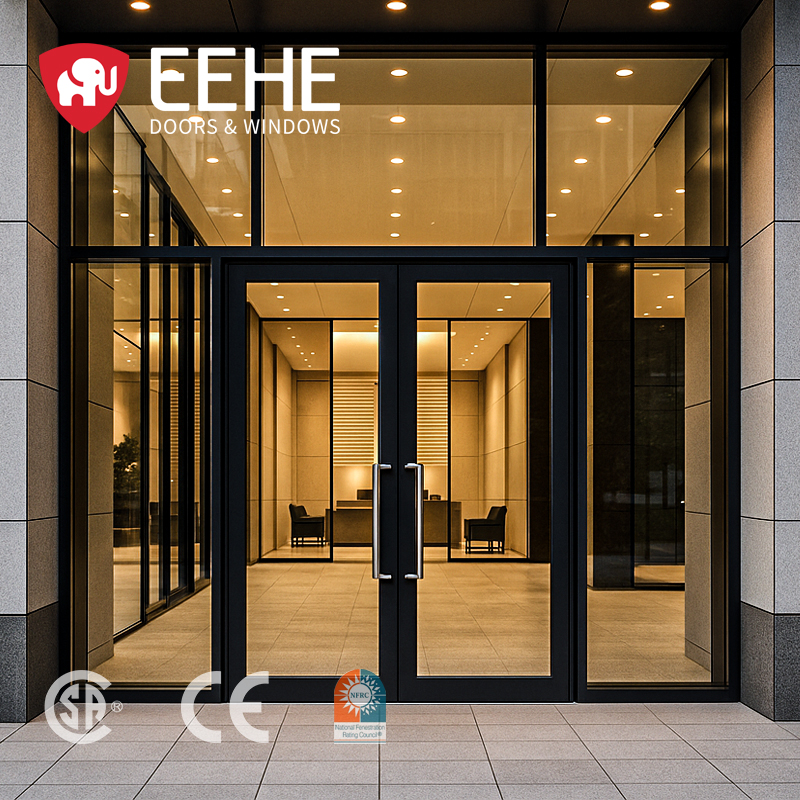
EEHE Commercial Exterior Modern Aluminum Glass Door Thermal Break Structure
View Product Specs
EEHE Marine Grade Anti-Corrosion Crank Aluminum Double Glass Casement Window
View Product Specs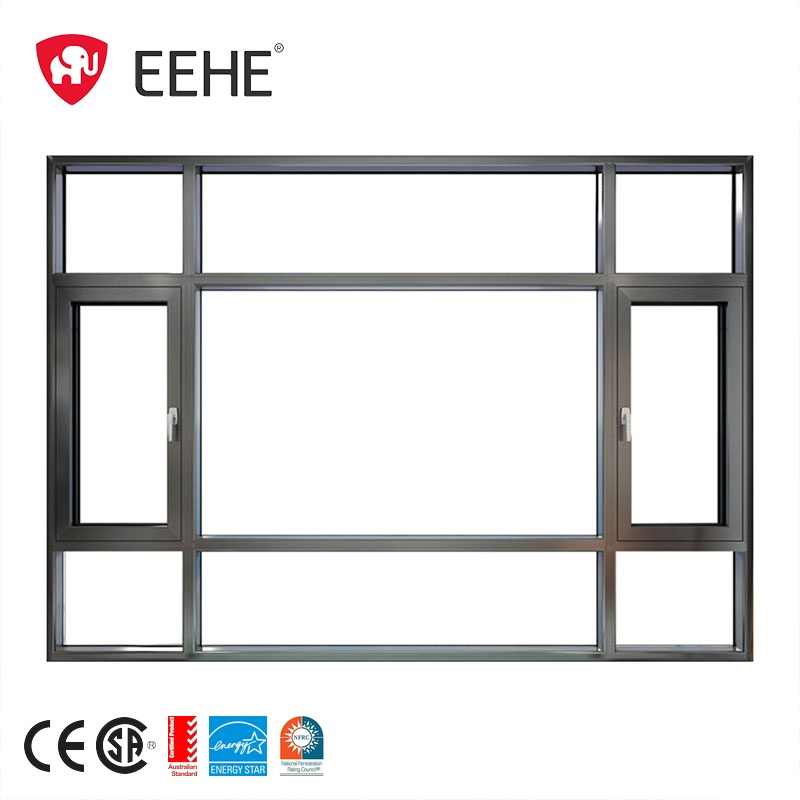
EEHE Commercial Heavy Duty Structural Glazed Project Window for Luxury Hotel
View Product Specs
Manufacturer E-E-A-T Verification
Guangdong SPD Doors & Windows Technology Co., Ltd.
Operating from Foshan, Guangdong—the epicenter of global architectural aluminum production—SPD provides direct factory manufacturing, rigorous engineering validation, and full OEM/ODM customization.
100,000 m²
Production Plant
560+
Expert Technicians
18+ Years
Export Experience
6 Patents
Structural Innovations
SGS Third-Party Verified Facility
Our 100,000 square meter manufacturing plant in Dali Town, Foshan, undergoes routine on-site audits by SGS. We ensure total transparency across raw profile extrusion, anodizing, thermal break insertion, and glazing assembly lines.
Global Standard Compliance
Engineering window assemblies for international codes requires rigorous testing. SPD fenestration systems hold NFRC certifications for North America, alongside tested compliance for AS2047 (Australia), CE (Europe), and CSA (Canada).
Full OEM / ODM Customization
Whether you require architectural structural silicone glazing (SSG), oversized 360-degree vertical pivot mechanisms, or custom PVDF fluorocarbon exterior color matches, our 560 staff members tailor every order precisely to project schedules.
Engineering Whitepaper
Structural Physics & Mechanical Architecture of Aluminum Pivot Windows
An in-depth analysis of load distribution, friction stay geometry, thermal bridging mitigation, and hydrostatic seal performance in modern wholesale pivot fenestration.
1. Kinematic Pivot Axis & Weight Distribution Mechanics
Unlike standard side-hung casement windows that concentrate cantilevered gravitational loads onto jamb-mounted hinges, aluminum pivot windows redistribute structural weight across a centralized or offset vertical/horizontal axis. Heavy-duty pivot hardware transfers sash dead-loads directly into the header and sill substrate, reducing torsional frame deformation.
In wholesale B2B procurement, specifying the correct axis location—typically offset by 1/3 or positioned precisely at the 1/2 midpoint—allows sashes weighing up to 500 kg (1,100 lbs) to rotate 180° or 360° with minimal manual operational force (< 15 N). The moment of inertia ($I$) for high-grade 6063-T6 extrusions ensures that frame deflection remains well below $L/175$ under high wind pressures.
2. Thermal Bridge Insulation via Polyamide Strip (PA66-GF25) Integration
Uninsulated aluminum frames exhibit high thermal conductivity ($k \approx 160 \text{ W/m}\cdot\text{K}$), leading to internal condensation and significant HVAC thermal loss. Leading China pivot window suppliers mitigate this by incorporating dual polyamide PA66-GF25 (25% fiberglass reinforced) thermal break strips.
These structural thermal barriers isolate the exterior profile from the interior profile, dropping system thermal transmittance (U-Factor) to 0.24 - 0.28 BTU/h·ft²·°F (1.37 - 1.60 W/m²·K) when combined with Low-E double or triple insulated glass units (IGU) filled with 90% Argon gas.
3. Dynamic Air-Water Tightness & Perimeter Compression Gaskets
The primary challenge historically associated with 360-degree rotating sashes is achieving airtight and watertight seals at the pivot hinge intersection point. Modern architectural pivot systems resolve this through continuous multi-level EPDM (Ethylene Propylene Diene Monomer) vulcanized rubber seals combined with drop-down automatic pneumatic or mechanical seal mechanisms.
When the multi-point handle is engaged, perimeter locking pins drive the sash tight against the frame rebate, yielding water penetration resistance up to 700 Pa (14.6 psf) and air infiltration ratings under 0.05 L/s·m², conforming to rigorous hurricane and coastal storm requirements.
Architectural Performance Specification Matrix
| Engineering Parameter | Standard Commercial Grade | SPD Premium Thermally Broken Pivot Grade | Testing Standard / Compliance |
|---|---|---|---|
| Alloy & Temper | Standard 6063-T5 Profile | High-Precision 6063-T6 / 6060-T66 Architectural Aluminum | GB/T 5237.1 / ASTM B221 |
| Profile Wall Thickness | 1.4 mm - 1.6 mm | 2.0 mm - 3.0 mm Reinforced Heavy-Duty Frame | AS2047 Structural Compliance |
| Thermal Transmittance (U-Value) | > 3.5 W/m²·K (Non-Thermal) | 1.2 - 1.6 W/m²·K (Low-E Triple IGU + Argon) | NFRC 100 / EN ISO 10077 |
| Maximum Sash Load Capacity | 150 kg per Sash | 350 kg - 500 kg Concealed Heavy-Duty Axis Hinge | EN 13126 Durability Test |
| Acoustic Insulation (STC/Rw) | STC 28 dB - 32 dB | STC 40 dB - 45 dB (Laminated Acoustic IGU) | ASTM E90 / ISO 140-3 |
| Surface Finish Coating | Standard Powder Coating (40µm) | AkzoNobel PVDF Fluorocarbon (3-Coat > 65µm) / Anodized 25µm | AAMA 2605 / Qualicoat Class 3 |
| Wind Load Resistance | 2500 Pa | Up to 5000 Pa (Design Pressure 75 PSF) | ASTM E330 / AS4055 |
Industry & Market Forecast
Future Procurement Trends in Wholesale Aluminum Pivot Windows
How technological advances, ultra-slim architectural aesthetics, and global carbon compliance are reshaping procurement strategies for B2B importers and developers.
1. Minimalist Sightlines & Concealed Motorized Pivot Hinge Integration
Architects worldwide are demanding maximum glass area with minimal visible framing. Sourcing trends show a 45% surge in orders for ultra-slim vertical pivot windows featuring sightlines under 38 mm. Furthermore, smart building automation integration has led to concealed motorization within the frame head, allowing smart-home automated opening via wall sensors or BMS.
2. Embodied Carbon Decarbonization & Low-Carbon Aluminum Extrusions
ESG requirements across Europe, North America, and Australia are placing stricter limits on embodied carbon in fenestration. Procurement managers are increasingly requesting recycled aluminum billet content (> 75% recycled scrap) or aluminum smelted using hydro-electric energy. Sourcing from certified green suppliers in China helps builders achieve LEED Gold and BREEAM certifications.
3. Vacuum Insulated Glass (VIG) & Electrochromic Smart Tinting
Traditional double glazing is giving way to next-generation Vacuum Insulated Glass (VIG) in pivot windows, delivering U-factors as low as 0.60 W/m²·K within a super-thin 10mm profile. Simultaneously, dynamic electrochromic glass—which tints electronically to control Solar Heat Gain Coefficients (SHGC)—is transitioning from luxury projects to commercial wholesale specifications.
B2B Procurement Risk Mitigation
Standardized Sourcing & Quality Control Protocol for Importers
How Guangdong SPD Doors & Windows Technology Co., Ltd. guarantees product consistency, structural integrity, and flawless export packaging for large-scale B2B orders.
Phase 1: Raw Material Verification
Every batch of extruded aluminum profiles undergoes Web-hardness testing and cross-sectional wall thickness checking against CAD shop drawings. PVDF and anodizing coating thickness is verified with digital magnetic gauges prior to assembly.
Phase 2: CNC Milling & Structural Crimping
German multi-axis CNC machining centers perform hardware mortising, hinge pocket routing, and drainage slot milling with ±0.1mm tolerances. Corner joints are injected with structural two-component epoxy adhesive before hydraulic corner crimping.
Phase 3: Export Container Packaging
Finished windows undergo full operational testing. Sashes are wrapped in protective polyethylene scratch resistant film, corners reinforced with heavy-duty foam corner guards, and units packed into solid fully-enclosed plywood crates for sea transport.
Buyer Knowledge Base
Frequently Asked Sourcing & Procurement Questions
Comprehensive answers addressing commercial, engineering, logistical, and customization requirements for international fenestration buyers.
Why choose an aluminum pivot window over traditional casement or sliding windows?
Aluminum pivot windows allow for significantly larger sash dimensions and heavier glass weights than standard casement windows because the weight is supported on top-and-bottom axis hinges rather than side hinges. They offer superior 360-degree rotation for easy glass cleaning from inside the building, exceptional natural ventilation airflow rates, and a sleek modern aesthetic ideal for high-end luxury architectural projects.
What minimum order quantities (MOQ) and lead times apply for wholesale orders?
For custom commercial projects, SPD offers flexible MOQs starting from 50 square meters. Standard fabrication lead times range between 25 to 35 business days from CAD drawing approval. Prototype or sample requests for engineering evaluation can be expedited within 15 days depending on profile finish availability.
How do pivot windows perform against extreme wind pressure and water leakage?
Equipped with multi-point perimeter locking systems, structural silicone glazing, and continuous dual-layer EPDM gaskets, our thermally broken pivot windows are rated for wind pressure up to 5000 Pa and water penetration resistance up to 700 Pa. They meet stringent hurricane-resistant building codes and coastal salt-spray anti-corrosion standards.
Can SPD customize window profiles according to architectural architectural drawings?
Yes. Our in-house engineering team works directly with your DWG/BIM files to create detailed shop drawings. We support custom extrusions, specialized thermal break widths, bespoke hardware choices (such as Siegenia, Hoppe, or custom-milled handles), and dynamic glass build-ups (laminated acoustic glass, solar Low-E, or bullet-resistant specs).
What surface treatment finishes are recommended for harsh coastal installations?
For coastal installations, we recommend Fluorocarbon (PVDF) coating (complying with AAMA 2605 specifications) or Class 3 Anodized finishes (film thickness ≥ 25μm). These treatments offer superior resistance against salt spray corrosion, UV degradation, chalking, and color fading for over 25 years.
Request a Custom Factory Quote & Technical Consultation
Partner directly with Guangdong SPD Doors & Windows Technology Co., Ltd. Submit your project schedule, CAD drawings, or performance targets to receive an engineering proposal within 24 hours.
Send an Inquiry