CE Certified Residential Aluminum Windows: 8 Recommended Systems
Semantic search for CE certified residential aluminum windows factory and exporters usually hides two intents: verified factory sourcing and specification matching. These eight systems cover the most common residential openings, from energy-saving bi-fold patio doors to cold-climate casement windows and panoramic French casements.
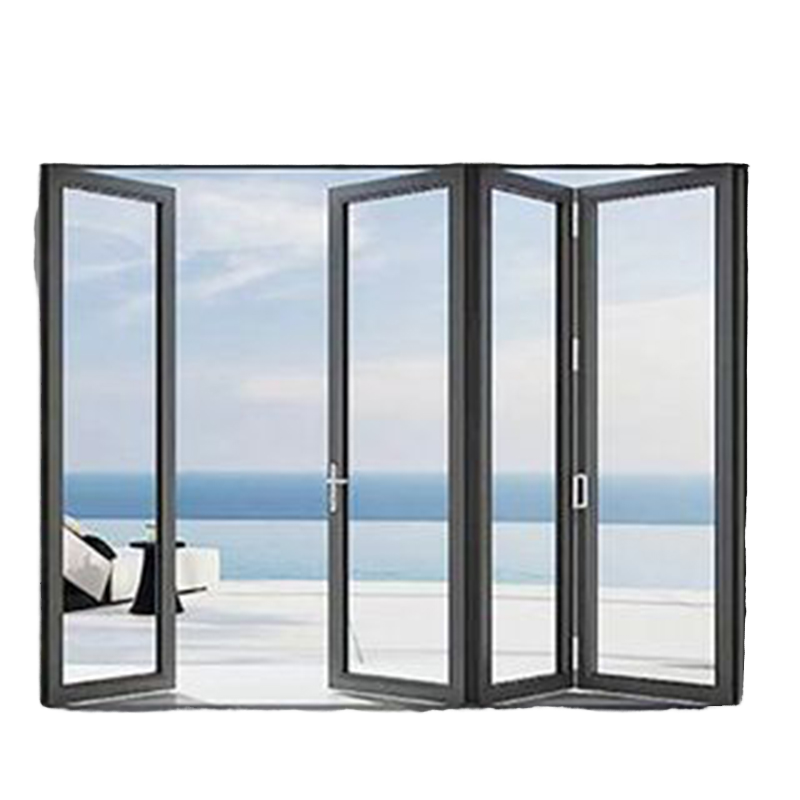
EEHE Aluminum Folding Glass Patio Door With Adjustable Thermal Break, Insulated Energy-Saving Bi-Fold
Recommended for large residential terraces and indoor-outdoor living. The adjustable thermal break supports insulated, energy-saving bi-fold configurations, while multi-panel folding converts a wall opening into a near-frameless connection to a garden or pool deck. Specify panel width, traffic direction, threshold type, glazing and wind-load requirement early.
View product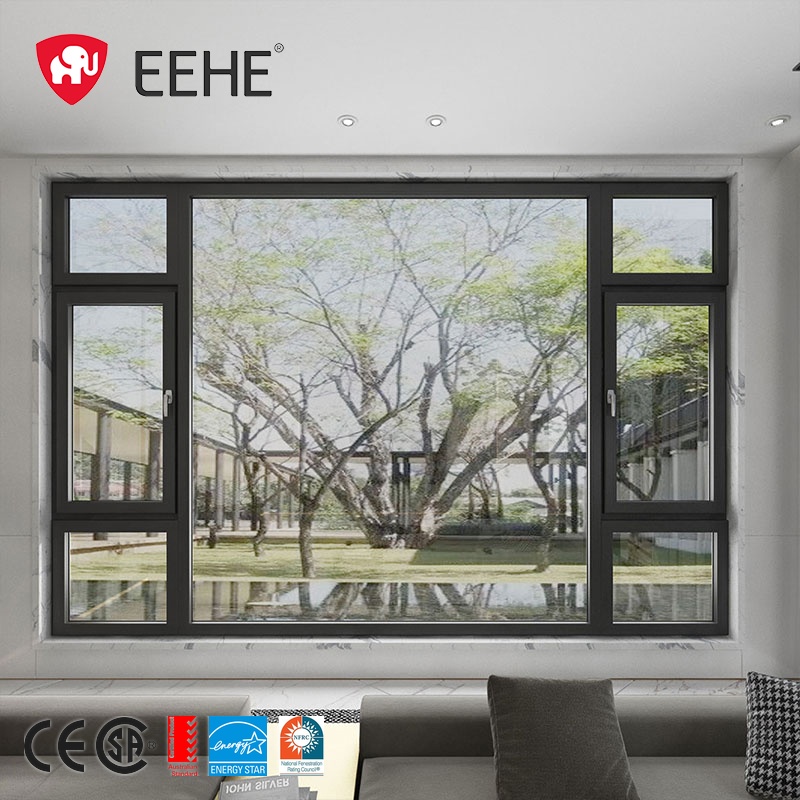
EEHE Push Out Casement Window Multi-Point Lock Friction Hinge Heavy Duty Casement Window for Modern Residential Villa CE CSA
A strong choice for villa bedrooms, staircases and coastal facades where ventilation and security must coexist. Multi-point locking and friction hinges improve airtightness and restrict uncontrolled opening; heavy-duty profiles support larger sashes. Confirm CE or CSA scope, hardware brand and insect-screen integration during RFQ review.
View product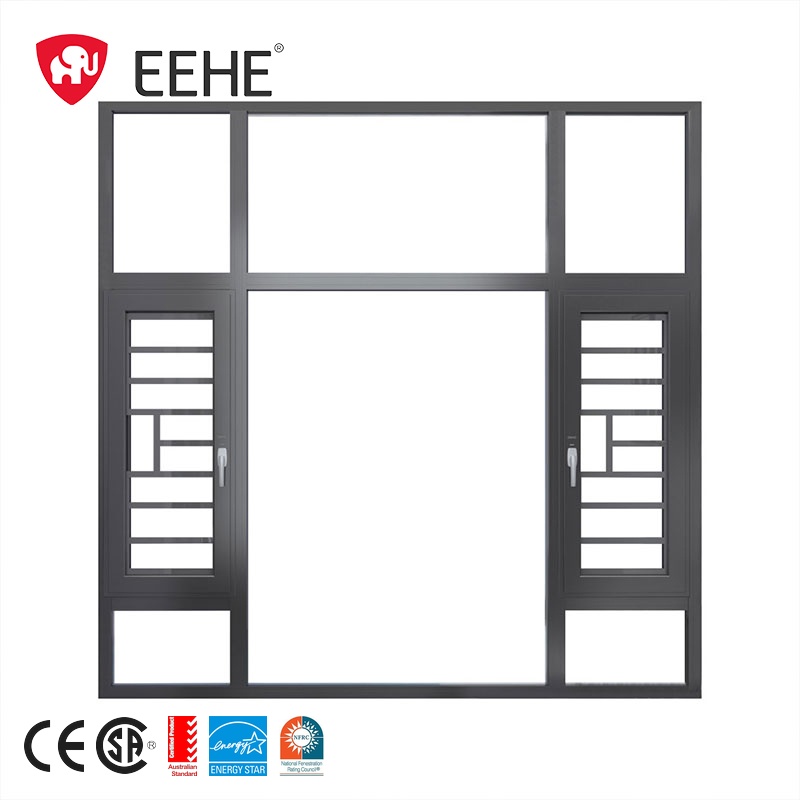
EEHE Casement Window Ultra Clear Low-Iron Tempered Glass Heavy Architectural Casement Window for Modern Studio House CSA CE
Best for modern studio houses and design-led residences where glass clarity is a visual priority. Low-iron tempered glass reduces the green tint often seen in standard glazing, supporting clean architectural sashes. To hit energy targets, pair low-iron glass with Low-E double glazing, warm-edge spacers and a thermally broken frame.
View product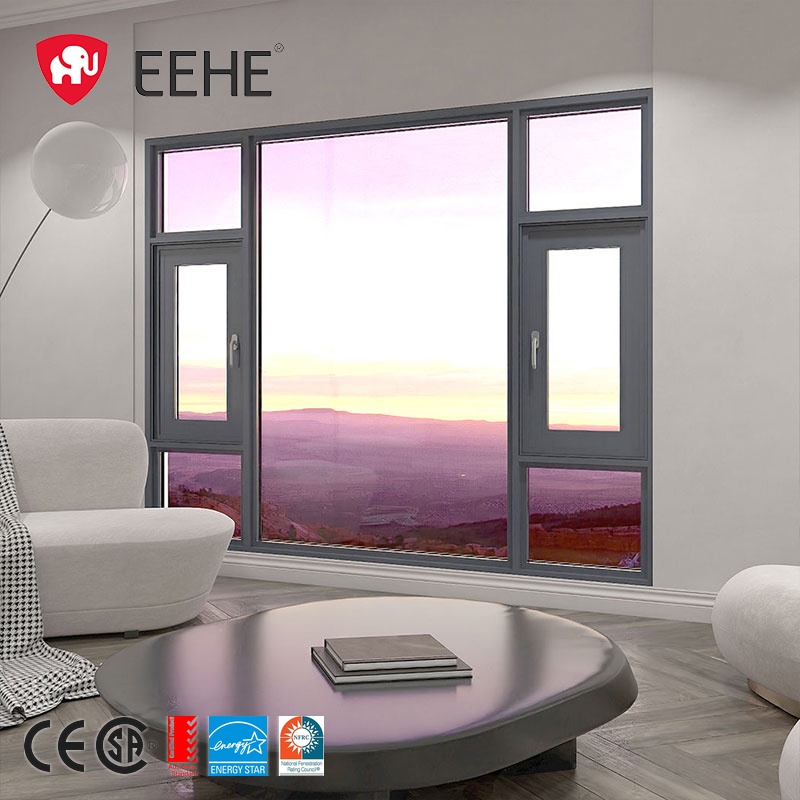
EEHE Casement Window Decorative Internal Grid Bars Aluminum Side Hung Glass Casement Window for Country Villa Home CE CSA
Recommended for country villas, heritage-inspired homes and modular residential facades that need a traditional grid pattern. Internal bars sit inside the sealed glass unit, simplifying cleaning and protecting the grid finish. Specify bar width, pattern, sash opening and color match early, because these details determine sightline consistency.
View product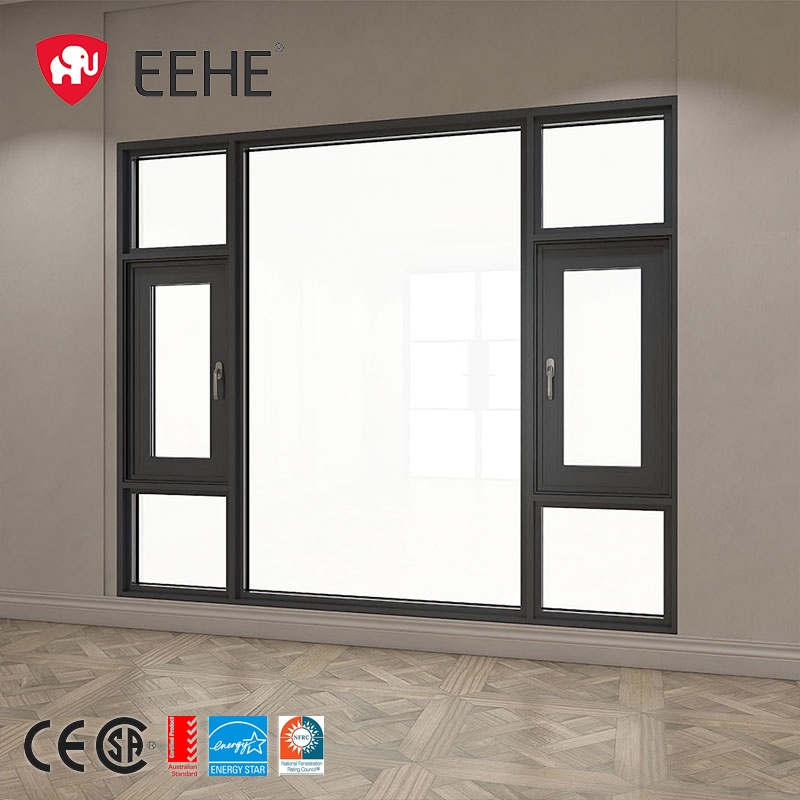
EEHE Casement Window Deep Interlock Multi-Point Compression Aluminum Outswing Casement Window for Cold Climate House CSA AS2047
Suited to cold-climate houses and projects where air and water tightness are critical. Deep interlock and multi-point compression reduce air leakage and support stable sealing under wind pressure. Thermal break design, warm-edge insulated glass and drainage details are decisive; for North American or Australian markets, match documentation to CSA or AS2047 as required.
View product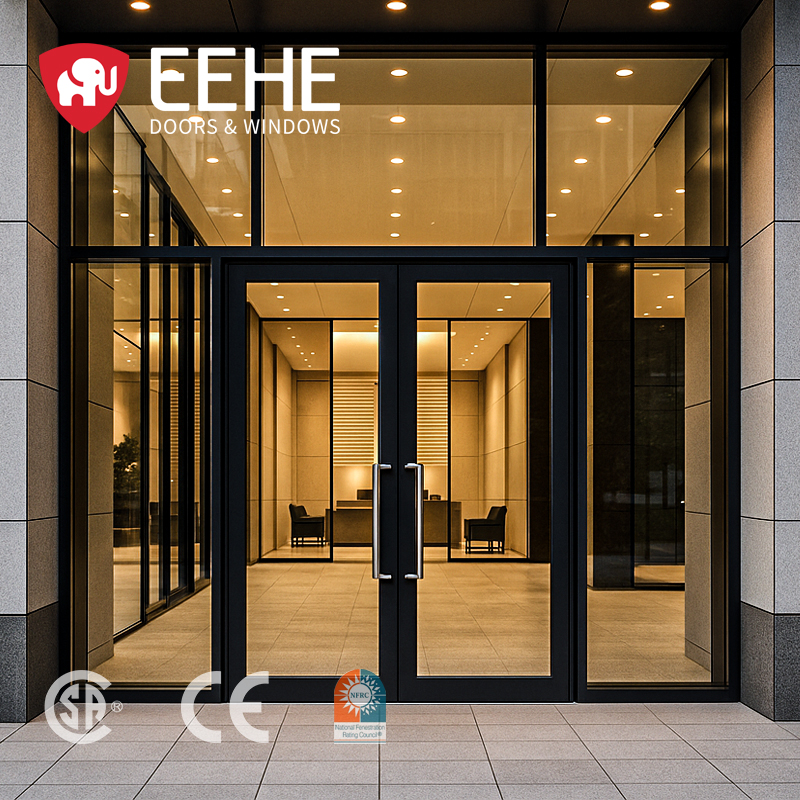
EEHE Commercial Exterior Modern Aluminum Glass Door NFRC Certified Soundproof Waterproof Windproof Thermal Break Structure
Often specified for luxury residential clubhouses, retail entrances and mixed-use villas as well as commercial frontages. NFRC-referenced performance, soundproofing and thermal-break construction support high-traffic entries. Verify panic hardware, closers, threshold accessibility and finish durability before order, especially when residential safety codes apply.
View product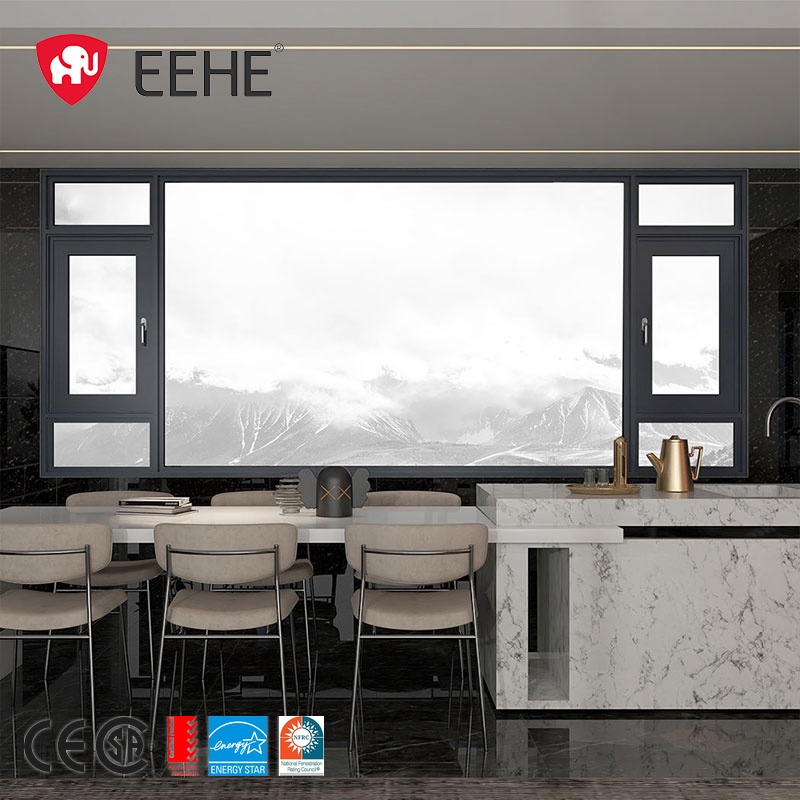
EEHE French Casement Window Full Panoramic View Post Free Aluminum Double Casement Window for Modern Luxury House NFRC CSA
Recommended for luxury living rooms and panoramic view openings. A post-free double casement creates a broad visual aperture while retaining operable ventilation. Structural reinforcement, glass weight and hinge capacity must be engineered together; this is exactly where a factory with in-house engineering reduces site risk and rework.
View product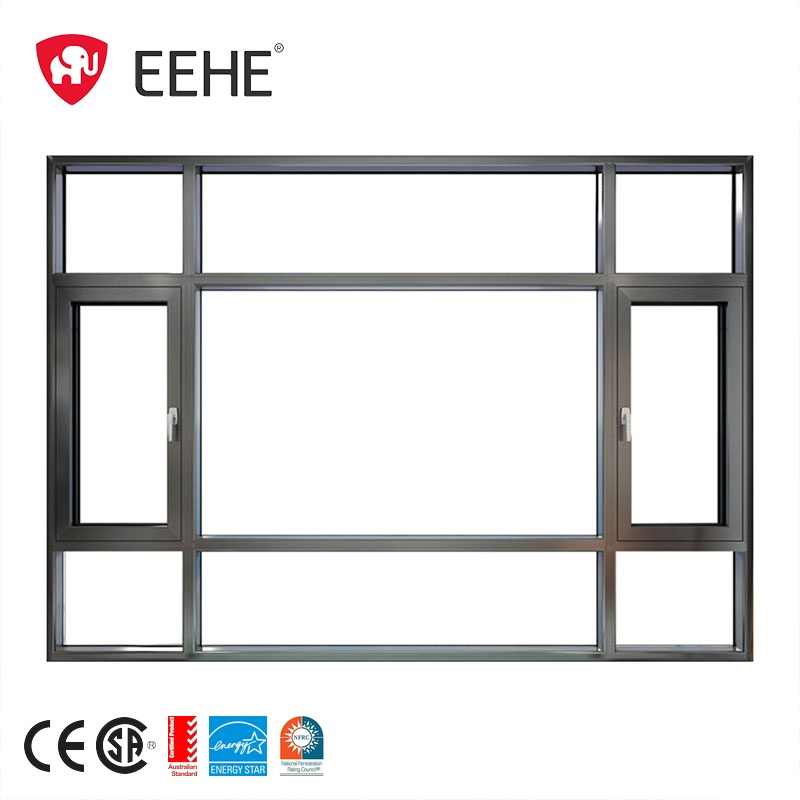
EEHE Commercial Casement Window Heavy Duty Structural Glazed Project Casement Window for Luxury Resort Hotel NFRC CSA AS2047 CE
For resort, hotel and high-exposure residential projects that need structural glazing and large sash capacity. Heavy-duty structural glazing requires coordinated engineering of profile, anchor, glass and drainage. Choose this system when the facade is part of the architectural statement, not merely an opening, and request project-specific test documentation.
View productVerified Scale for Residential Window Importers
The factory behind this CE certified residential aluminum window offering is Guangdong SPD Doors & Windows Technology Co., Ltd., based in Dali Town, Foshan. These figures help B2B buyers compare manufacturing depth before requesting samples, shop drawings or a project quotation.
Why This Foshan Aluminum Windows Factory Earns Buyer Trust
For high-value fenestration procurement, trust is not a slogan. It is proof of factory scope, engineering control, certification path, export discipline and after-sales response. SPD's strengths map directly to those buyer concerns.
Own Factory, Not a Trading Shell
SPD operates a 100,000 m² manufacturing site in Dali Town, Foshan, with 560 staff. The production site has been verified on-site by SGS, an independent third-party inspection company. Being inside Foshan's aluminum supply chain improves profile, hardware and glass coordination.
Engineering-Based Customization
Design-based, sample-based and full customization are supported, alongside OEM and ODM services. Our team works from your architectural drawings and window schedule rather than forcing a fixed catalog, which is especially important for CE-oriented residential projects across different climates.
Certification-Ready Series
Several window and door series are NFRC-certified for North American requirements. For CE, CSA, AS2047 and other market claims, the applicable series, glazing build-up, hardware and test documentation must be confirmed per configuration. Our export team prepares the evidence package for engineering review.
Quality Control Before Packing
Incoming profile wall thickness, coating film and glass are checked before cutting. CNC cutting and machining keep frame dimensions consistent, while corner joints, gaskets, drainage and hardware operation are reviewed on every unit. Finished-product inspection is part of every order.
Export Packing and Labeling
Profiles are film-wrapped, corners and glass are foam-protected, and units are packed in crates or frames suited to container shipping. Labels can match your window schedule, helping site teams distribute units by floor, room or elevation without confusion.
Patents and Global Exposure
Six patents have been awarded for structural and sealing improvements. More than a decade of export experience, international trade-show participation and multilingual sales support help overseas importers, distributors, builders and developers move from sample approval to repeat orders.
Match Residential Aluminum Windows to Project Intent
CE certified residential aluminum windows are not interchangeable. The right recommendation depends on climate, noise, wind exposure, opening size, maintenance, local code and visual language. These four pathways translate common search intent into technical questions.
Cold and Mixed Climate
Prioritize thermally broken profiles, Low-E insulated double or triple glass, warm-edge spacers and controlled drainage. Ask for condensation-risk discussion, not only a U-value headline. Cold-climate outswing casements with deep interlock and multi-point compression are often the safest starting point.
Urban and Acoustic Comfort
For roadside or airport-adjacent homes, laminated acoustic glass, asymmetric glass thickness and multi-seal casements can reduce perceived noise. The frame-to-wall interface and installation quality matter as much as the glass specification, so request installation guidance with the quotation.
Coastal and High Wind
Large sashes, coastal exposure and high wind load require reinforced profiles, deeper interlock, verified anchors and laminated or thicker tempered glass. Stainless or corrosion-resistant hardware should be specified early. Confirm water drainage and pressure-equalization details before approving shop drawings.
Panoramic and Indoor-Outdoor
Lift-and-slide, bi-fold and post-free French casement systems create wide apertures, but they demand structural review, threshold planning and hardware capacity checks. For luxury homes, visual slimness should never come at the cost of weather sealing or service access.
Future Procurement Trends for Aluminum Window Exporters
Buyer search intent is moving from “cheap aluminum windows” toward verifiable performance and lower project risk. Our project inquiries show four procurement behaviours shaping RFQs for residential and mixed-use projects.
Evidence-Led Tendering
Importers now ask for test reports, certification scope, glazing build-up and hardware lists before comparing price. A factory exporter that can organise CE-oriented or NFRC documentation by series shortens technical review and reduces late-stage surprises.
Total Installed Cost
Unit price alone is no longer enough. Buyers evaluate packing quality, label accuracy, installation guidance, spare-parts availability and after-sales response. A slightly higher factory price can lower total project cost when rework and site delays are avoided.
Localized Compliance
Residential window projects increasingly require market-specific proof: NFRC for North America, CSA in Canada, AS2047 for Australia and project-specific CE documentation for European buyers. Generic catalogs are being replaced by configuration-level confirmation.
Faster Design Loops
Architects and contractors expect rapid drawing reviews, finish samples and hardware alternatives. Factories that can respond with clear shop drawings, color chips and system options within the tender cycle win more repeat business than those that only quote a price per square meter.
Buyer Priority Index for Residential Window RFQs
Illustrative index based on common project inquiries; not an industry forecast.How Residential Aluminum Window Systems Are Evolving
Slimmer Sightlines, Larger Panels
Architects want more glass and less visible frame. The engineering response is higher-strength profiles, improved corner joints, concealed hardware and carefully calculated glass weight, especially for lift-slide doors and post-free casements.
Lower-Carbon Aluminum
Recycled aluminum content, lower-carbon extrusion and durable PVDF or powder coatings are becoming procurement talking points. Buyers should request material and finish documentation rather than accepting vague environmental claims.
Smarter Glazing and Ventilation
Solar-control Low-E glass, acoustic laminates, integrated blinds and controlled ventilation are moving from premium options to mainstream residential requirements. The window frame, glass and ventilation path must be designed as one system.
Digital Traceability
QR-coded labels, shop-drawing revisions and schedule-matched packing are becoming more important for multi-unit residential projects. Traceability reduces installation errors and makes after-sales replacement parts easier to identify years later.
CE Certification Is a System Claim, Not a Label
For residential aluminum windows, CE marking relates to the declared product family, performance characteristics, test evidence and factory production control. Buyers should not assume every frame, glazing build-up or hardware combination is covered by one certificate. The practical approach is to confirm the exact system, market and documentation package during engineering review.
Frame and Thermal Break
Confirm alloy, wall thickness, polyamide strip, drainage chambers and profile series. Thermal performance is configuration-specific;隔热 detail must match the tested system. Ask for section drawings where performance depends on the thermal barrier.
Glass Build-Up
Tempered, laminated, Low-E, triple glazing, argon fill and warm-edge spacers all change the declared performance. For acoustic or safety-critical projects, request glass certificates and installation guidance, not just a generic “double glazing” description.
Hardware and Sealing
Multi-point locks, friction hinges, heavy-duty rollers, EPDM gaskets and drainage design influence airtightness, water tightness and service life. Branded hardware can be specified on request, and spare-part planning should be discussed before shipment.
Market Documentation
Share the standard your project uses or expects, such as NFRC, CSA, AS2047 or CE-related declarations. Documentation should match the destination market, the window schedule and the approved sample. This is where a factory exporter's experience becomes measurable.
Questions About CE Certified Residential Aluminum Windows
Are you a manufacturer or a trading company?
SPD is a custom manufacturer operating its own 100,000 m² facility in Dali Town, Foshan, with 560 staff. The production site has been verified on-site by SGS, an independent third-party inspection company, and the verified profile is available for buyer review.
What does CE certification cover for residential aluminum windows?
CE-related claims must be checked against the exact series, glazing, hardware and intended use. Buyers should request the applicable declaration, test report scope and production-control evidence. Our engineering team confirms which configurations can be supported before the quotation is finalised.
Can you produce to my drawings and local standards?
Yes. We offer design-based, sample-based and full customization, plus OEM and ODM services. Several window and door series are NFRC-certified for North America, and project-specific requirements for CE, CSA, AS2047 or other markets are reviewed during engineering confirmation.
What information should I send for an accurate proposal?
Send architectural drawings or a window and door schedule, opening sizes, quantities, required thermal, acoustic and wind-load performance, frame color and finish, glass specification, hardware preference and destination port. Complete information lets our engineers recommend the right system the first time.
Which frame finishes and glass options are available?
Frames can be powder coated, fluorocarbon PVDF coated, anodized or wood-grain transfer finished in a wide range of RAL colors. Glazing options include tempered, laminated, Low-E insulated double or triple glass with optional argon fill and warm-edge spacers.
How are aluminum windows packed for export?
Every unit passes finished-product inspection, then profiles are film-wrapped, corners and glass are foam-protected, and units are packed in crates or frames suitable for container shipping. Labels can be matched to your schedule for easier site distribution.
What is the MOQ and typical lead time?
MOQ depends on the series, finish, glass build-up and hardware selection. Prototype or sample orders can be discussed for new developments. Lead time is confirmed after drawing approval, material preparation and order quantity, so it should be locked into the purchase order rather than assumed from a catalog.
How can I verify quality before shipment?
Request finished-product inspection records, photos and videos, and discuss third-party inspection if your project requires it. Confirm that frame dimensions, hardware operation, glass specification, labels and packing match your approved shop drawings before the container is released.
Ready to Shortlist a CE Certified Residential Aluminum Window Supplier?
Send your drawings, window schedule and performance targets to our engineering team. We will review the opening types, climate requirements, glass build-up and local documentation needs, then recommend a buildable system for your project.
Inquire Now