CE / NFRC / AS2047

Precision-engineered aluminum systems manufactured under rigorous Factory Production Control (FPC) standards for worldwide architectural compliance.

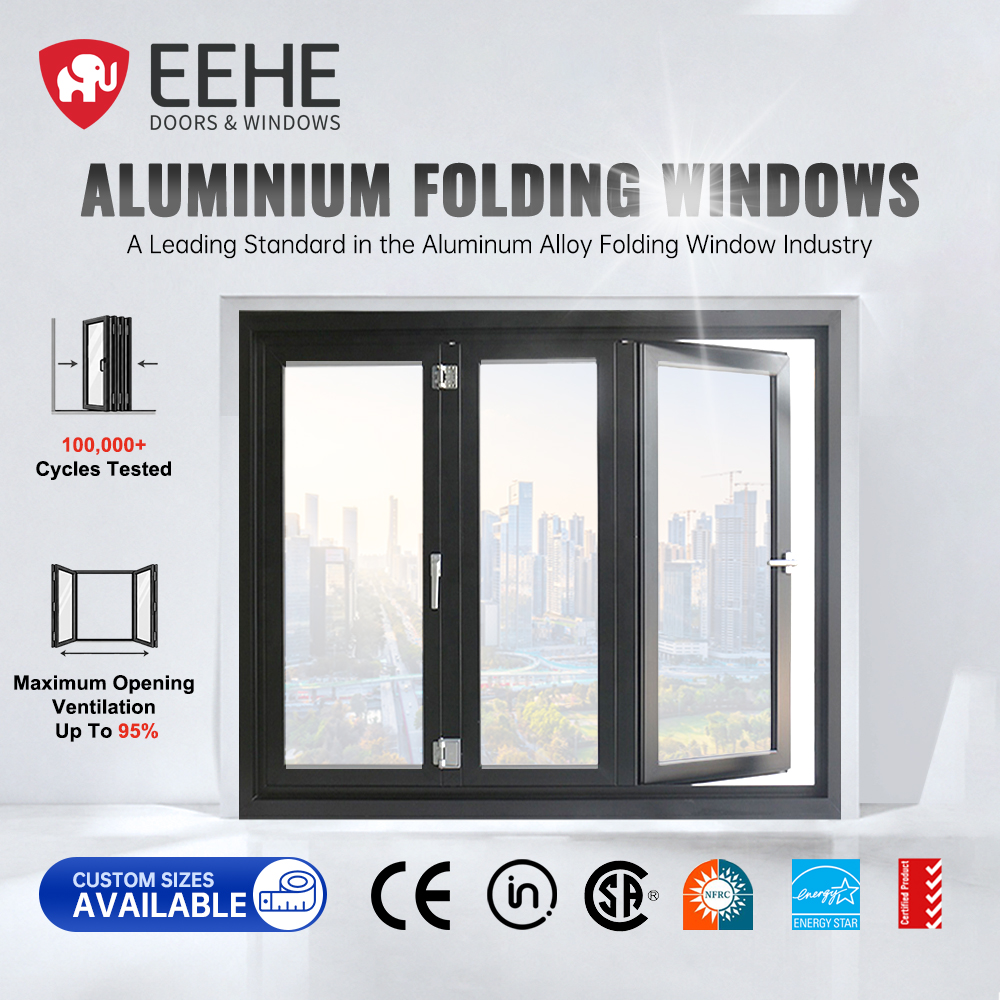
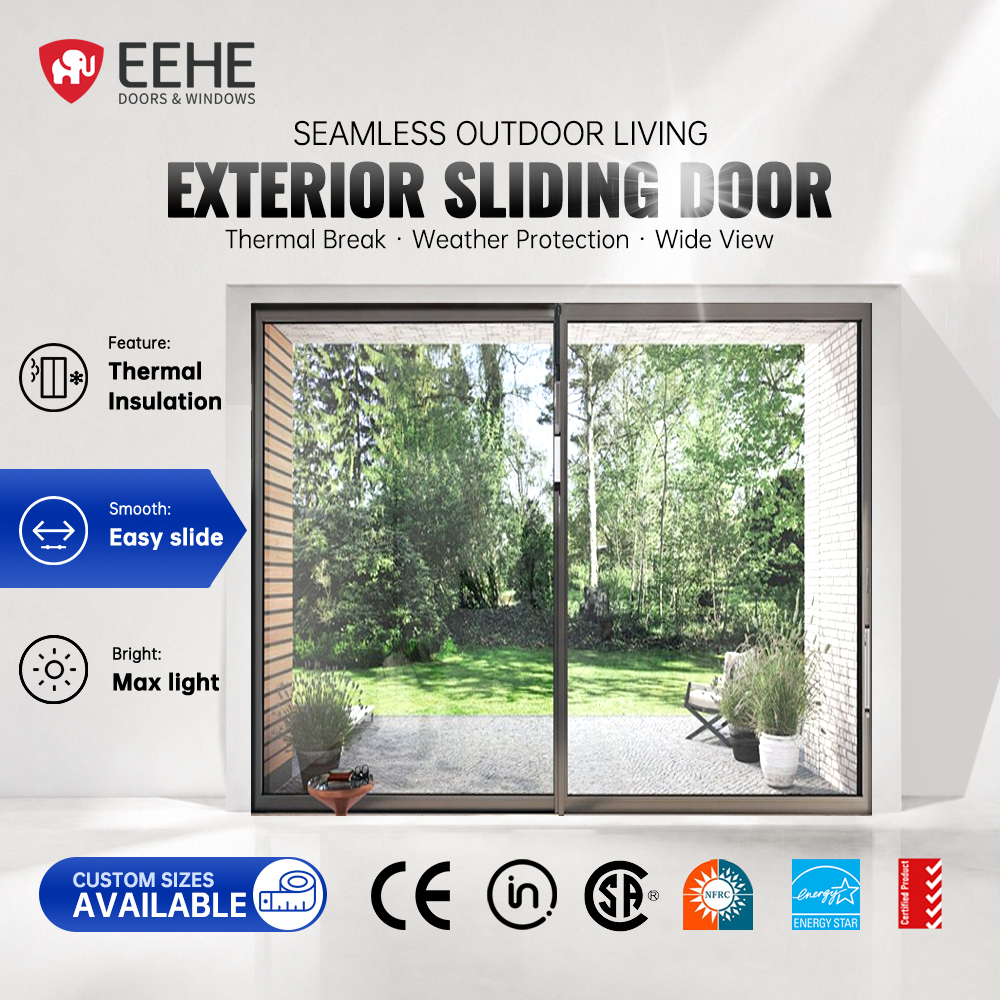
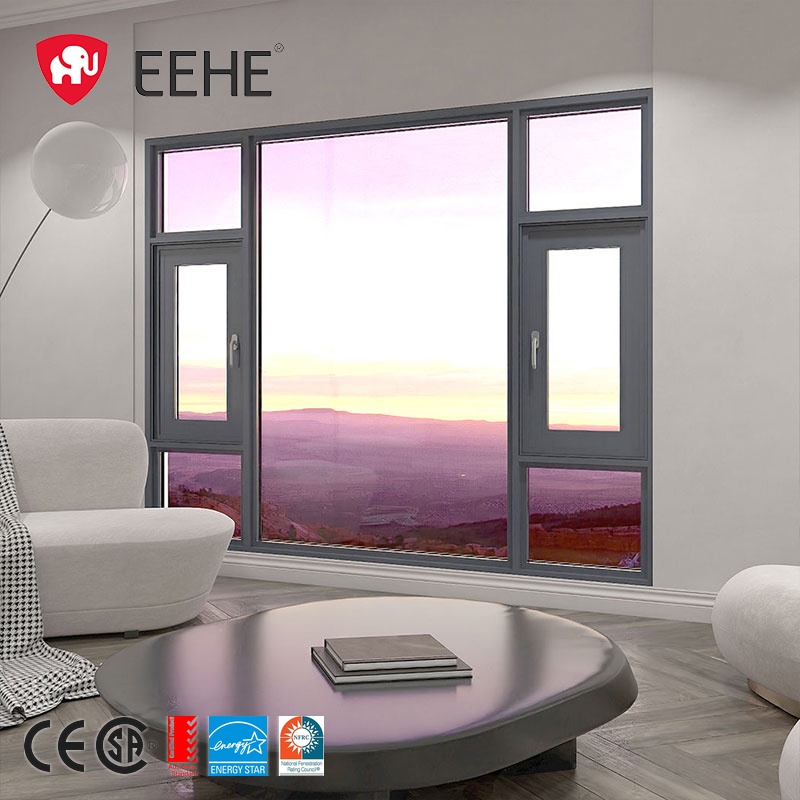
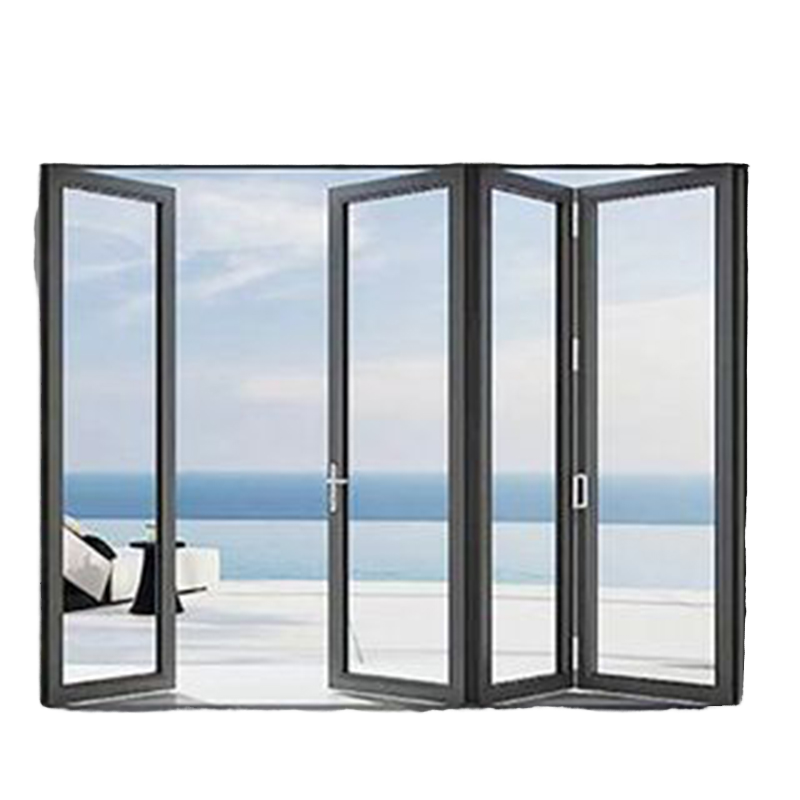
Understanding how spectral selectivity, low emissivity coatings, and thermal break extrusion architecture mitigate radiant heat transfer in modern architectural envelopes.
Low-Emissivity (Low-E) glass features microscopically thin metallic coatings—typically incorporating pure silver nanolayers—deposited via off-line Magnetron Sputtered Vacuum Deposition (MSVD). Unlike hard-coat pyrolytic glass, soft-coat Low-E reflects long-wave infrared thermal radiation while retaining maximum visible light transmittance (VLT).
By engineered placement of the silver film on Surface #2 (for cooling-dominated climates) or Surface #3 (for heating-dominated regions) within an Insulated Glass Unit (IGU), heat gain or loss is reduced by up to 70% compared to standard monolithic float glass.
Aluminum is structurally superior yet thermally conductive ($K \approx 160 \text{ W/m}\cdot\text{K}$). To meet European Union Energy Performance of Buildings Directives (EPBD), standard aluminum profiles are mechanically split and joined using Polyamide 66 reinforced with 25% glass fiber (PA66-GF25) structural thermal struts ($K \approx 0.3 \text{ W/m}\cdot\text{K}$).
This structural isolation prevents thermal bridging, eliminates condensation risk along frame interiors, and lowers overall assembly $U$-factors ($U_w$) to below $1.4 \text{ W/m}^2\text{K}$ when combined with argon-filled triple glazing systems.
When specifying Low-E glass for international commercial bids, thermal performance should not rely solely on the Solar Heat Gain Coefficient (SHGC). Modern building energy models prioritize the Light-to-Solar Gain (LSG) Ratio ($\text{LSG} = \text{VLT} / \text{SHGC}$). A high LSG ratio (> 1.60) indicates that the glazing provides abundant daylighting while actively rejecting solar heat, significantly reducing HVAC electrical demand in high-rise projects.
Comprehensive physical performance benchmarks verified via independent third-party laboratory testing according to European, American, and Australian fenestration standards.
| Performance Characteristic | Standard Specification Range | Testing Standard / Compliance | Engineering Details |
|---|---|---|---|
| Thermal Transmittance ($U_w$) | 0.8 – 1.6 W/m²K | EN ISO 10077-2 / NFRC 100 | PA66-GF25 thermal breaks + Argon filled Low-E IGU |
| Solar Heat Gain (SHGC) | 0.22 – 0.45 | NFRC 200 / EN 410 | Custom silver soft-coat layers tailored by climate zone |
| Visible Light Transmittance (VLT) | 55% – 74% | ASTM E903 / EN 410 | High-clarity low-iron float substrate option available |
| Air Infiltration / Permeability | Class 4 (≤ 600 Pa) | EN 12207 / AS2047 Class AP | Continuous EPDM triple-gasket weather stripping system |
| Water Penetration Resistance | Class E900 (900 Pa static pressure) | EN 12208 / CSA A440 | Pressure-equalized multi-chamber internal drainage tracks |
| Wind Load Structural Capacity | P3 ≥ 4000 Pa (Design Pressure) | EN 12210 / ASTM E330 | Heavy-duty 6063-T6 aluminum profile wall thickness up to 3.0mm |
| Acoustic Insulation ($R_w / STC$) | 35 dB – 48 dB | EN ISO 140-3 / ASTM E413 | Asymmetric acoustic PVB laminated IGU construction |
| Anodizing & Powder Coating | Qualicoat Class 2 / PVDF 3-Coat | AAMA 2605 / ISO 2360 | 50–80 micron film thickness for coastal anti-corrosion |
Direct manufacturer compliance under System 3 Assessment and Verification of Constancy of Performance (AVCP) for seamless customs clearance across the EU and European Economic Area.
Every shipment of Low-E aluminum windows dispatched from our facility includes fully traceable Declaration of Performance (DoP) documentation matching EN 14351-1:2006+A2:2016 standards. Parameters such as mechanical resistance, air-water tightness, acoustic properties, and thermal performance values are strictly declared and backed by accredited Notified Body test reports.
Operating a rigorous ISO 9001:2015 quality manual, our internal Factory Production Control (FPC) oversees raw profile alloy verification, glass edge-deletion monitoring for Low-E coatings, dual-seal silicone structural adhesion checks, and automated corner crimping tolerance tests. Every batch is cataloged to prevent thermal break slippage or seal degradation over time.
In addition to European CE Marking, Guangdong SPD Doors & Windows Technology Co., Ltd. holds active product certifications for NFRC (North American Fenestration Rating Council), CSA (Canadian Standards Association), and Australian AS2047 fenestration standards. This enables developers, importers, and B2B contractors to consolidate global product sourcing effortlessly.
Located in Foshan—China's global aluminum manufacturing capital—SPD combines massive physical scale, direct supply chain integration, and verified third-party oversight.
Guangdong SPD Doors & Windows Technology Co., Ltd. operates a state-of-the-art 100,000 m² manufacturing facility in Dali Town, Foshan. With a skilled workforce of over 560 employees and 6 proprietary utility patents, our automated production lines execute precision profile cutting, CNC hardware routing, automated double-glazing line pressing, and argon gas sealing with total operational control.
Our production facilities, financial background, and manufacturing capabilities have been audited and verified on-site by SGS, the world's leading independent inspection firm. B2B buyers deal directly with the factory floor—eliminating middleman markups while gaining direct access to engineering design assistance for custom project drawings.
Key market vectors driving the procurement of high-performance Low-E windows for commercial developers and distributors over the next decade.
The market is shifting rapidly toward hybrid double-glazing units incorporating micro-cavity Vacuum Insulated Glass (VIG). By creating a high-vacuum gap ($10^{-4} \text{ Pa}$) supported by microscopic pillars between glass panes, thermal conductive transfer is practically eliminated. VIG delivers center-of-glass $U$-values down to $0.4 \text{ W/m}^2\text{K}$ in a profile thickness of just 8.3mm, making ultra-slim windows fully passive-house compliant.
Regulatory frameworks in Europe and North America are prioritizing not only operational energy savings but also Embodied Carbon. Future window tenders increasingly mandate Environmental Product Declarations (EPDs). SPD is actively adopting low-carbon recycled aluminum billets (using hydro-electric powered smelting) and green low-emissivity float glass processing to ensure low Embodied Carbon scores for LEED v4.1 and BREEAM certifications.
The convergence of building skins with smart automation is fueling demand for electrochromic Low-E glass that tints dynamically in response to sun angles or building management system (BMS) signals. Furthermore, Building-Integrated Photovoltaics (BIPV) embedded into window transoms and semi-transparent window panes are allowing commercial facades to transition from passive energy barriers into active power generators.
Detailed technical answers for architectural buyers, importers, and main contractors specifying custom factory orders.
Soft-coat (offline MSVD) Low-E glass applies silver and dielectric layers in a vacuum chamber after float glass manufacturing. It offers superior optical clarity, lower emissivity ($\epsilon \le 0.03$), and significantly lower $U$-factors compared to hard-coat (online pyrolytic) Low-E glass ($\epsilon \approx 0.15$).
For high-performance energy conservation in residential villas and commercial facades, soft-coat Low-E sealed inside an argon-filled double or triple IGU is the professional standard. Hard-coat is generally reserved for single-pane applications or basic storm windows where sealing inside an IGU is impossible.
Guangdong SPD Doors & Windows Technology Co., Ltd. conducts type testing under EN 14351-1 through accredited European testing laboratories. Every order comes with a batch-specific Declaration of Performance (DoP) and compliant CE label affixed to glass units or frame assemblies.
Our internal Factory Production Control (FPC) system tracks all material certificates, including profile wall thickness measurements, thermal break shear strength, seal gas retention rates, and structural silicone adhesion results, ensuring seamless entry through EU customs checkpoints.
Yes. Over 90% of our production volume is custom design-based or sample-based engineering. Our technical engineering team reviews your CAD drawings, BIM models, or window schedules to propose optimized profile depth, thermal break dimensions, hardware load ratings, and glass build-ups.
We supply full shop drawings and corner section samples for approval prior to initiating mass fabrication, ensuring precise alignment with project site dimensions and local structural wind load mandates.
Exporting insulated glass units across ocean routes requires specialized vibration and pressure management. All SPD window units feature warm-edge polymer spacers and dual-seal silicone encapsulation (primary butyl sealant + secondary structural silicone seal).
Finished windows are protected with blue anti-scratch film, corner guards, high-density foam padding, and packed upright inside fully enclosed fumigated plywood crates or steel A-frame containers. Capillary tubes are installed for high-altitude air transportation or extreme ocean elevation changes to prevent seal blowout.
We provide a comprehensive selection of premium global hardware options including German Roto, Siegenia, Hoppe, as well as proprietary heavy-duty SPD multi-point hardware engineered for hurricane-resistant and high-traffic applications.
Surface treatments include Qualicoat-certified architectural powder coatings (RAL color range), 3-coat PVDF fluorocarbon coatings for aggressive marine environments, anodizing (up to 25 microns), and high-definition wood-grain heat transfer finishes.
Standard lead time for custom aluminum windows and doors is 25 to 35 working days upon approval of engineering shop drawings and receipt of deposit. Specialized high-rise curtain wall orders or custom extrusion die development may require additional time.
To receive a complete cost estimate and technical proposal, click the Get a Quote button to connect directly with our engineering sales desk, or submit your architectural window schedule and destination port details via our inquiry portal.
Consult directly with Guangdong SPD's technical team for custom CAD shop drawings, CE Declaration of Performance documentation, and factory-direct wholesale pricing.