Panoramic Casement
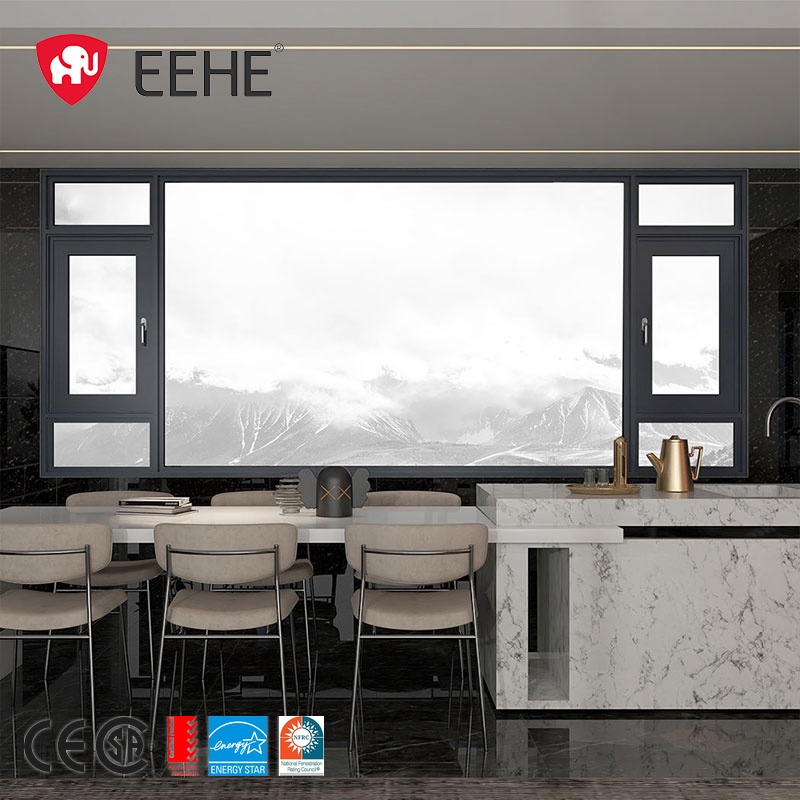
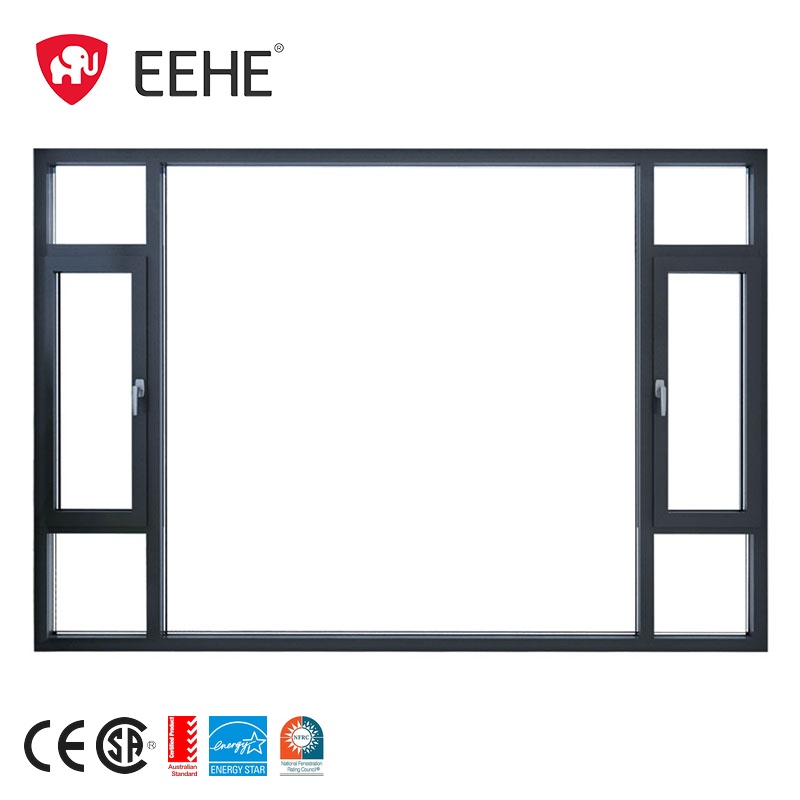
Engineered to international building standards (EN 14351-1, NFRC, CSA, AS2047). Explore our flagship thermal break systems designed for residential luxury villas, commercial towers, and modern apartment developments.
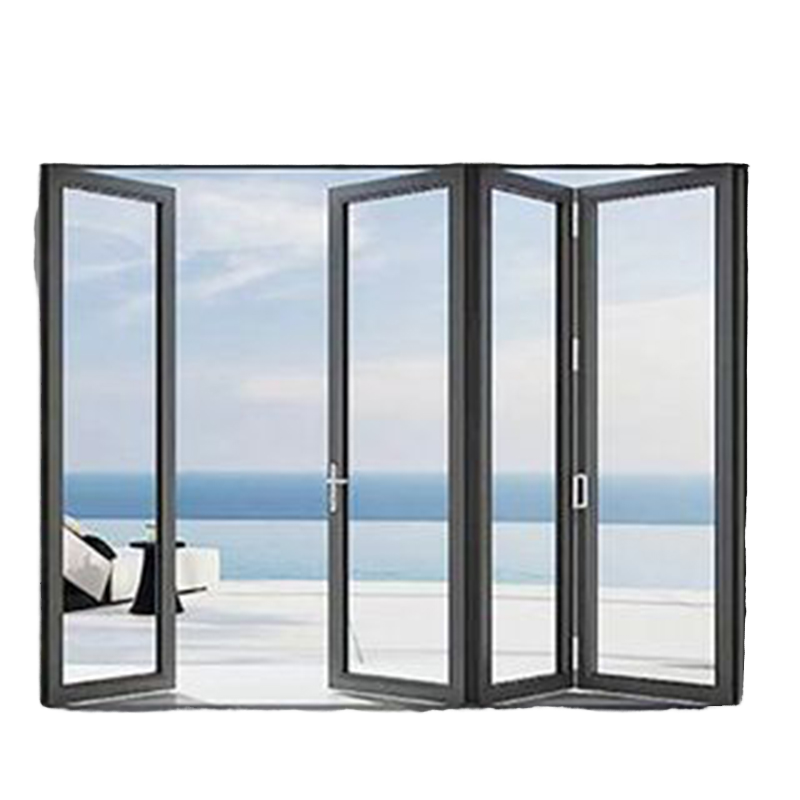
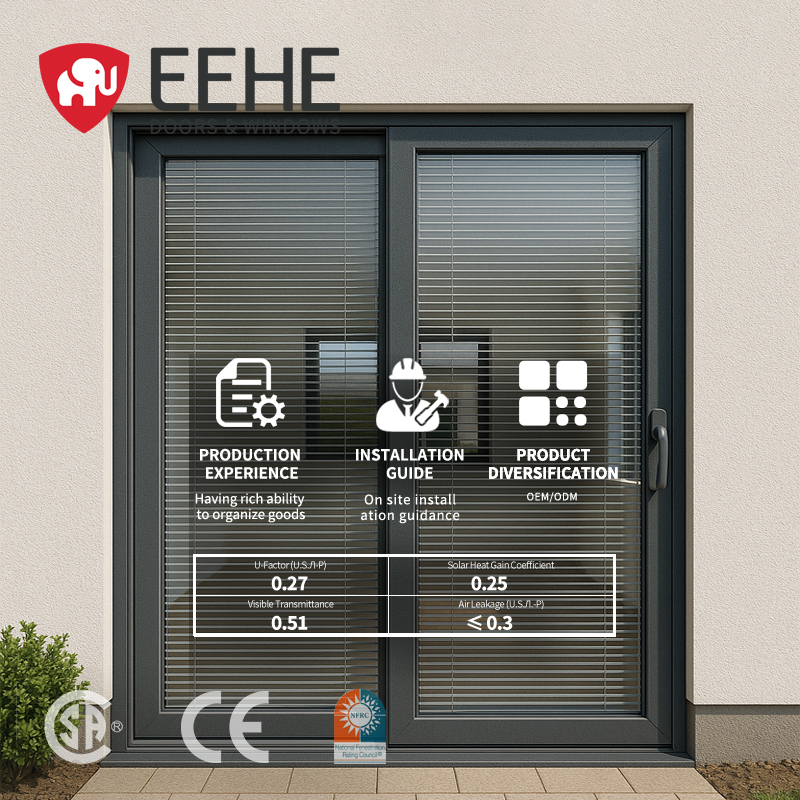
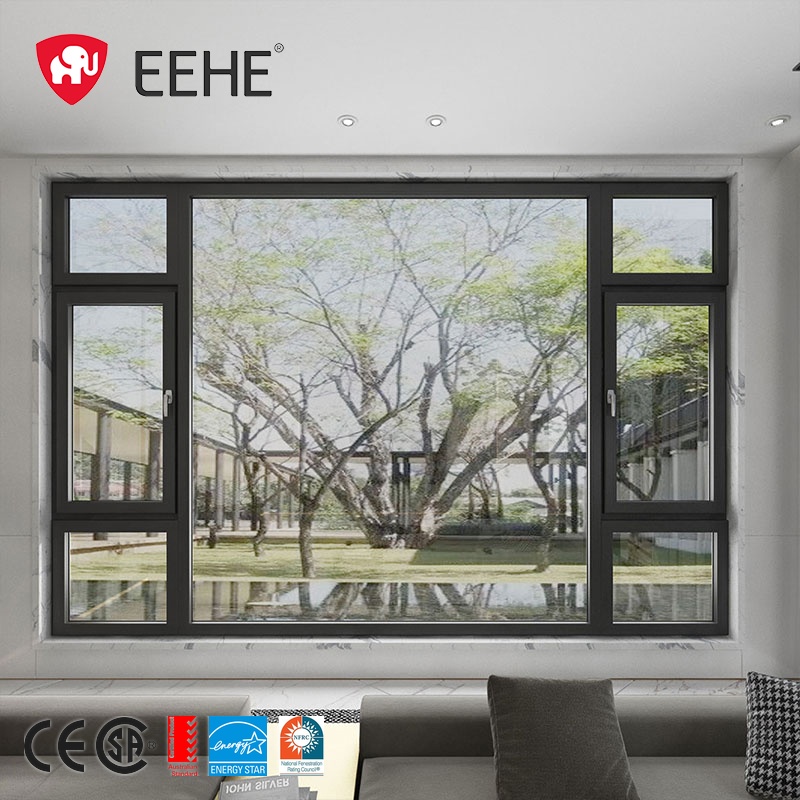
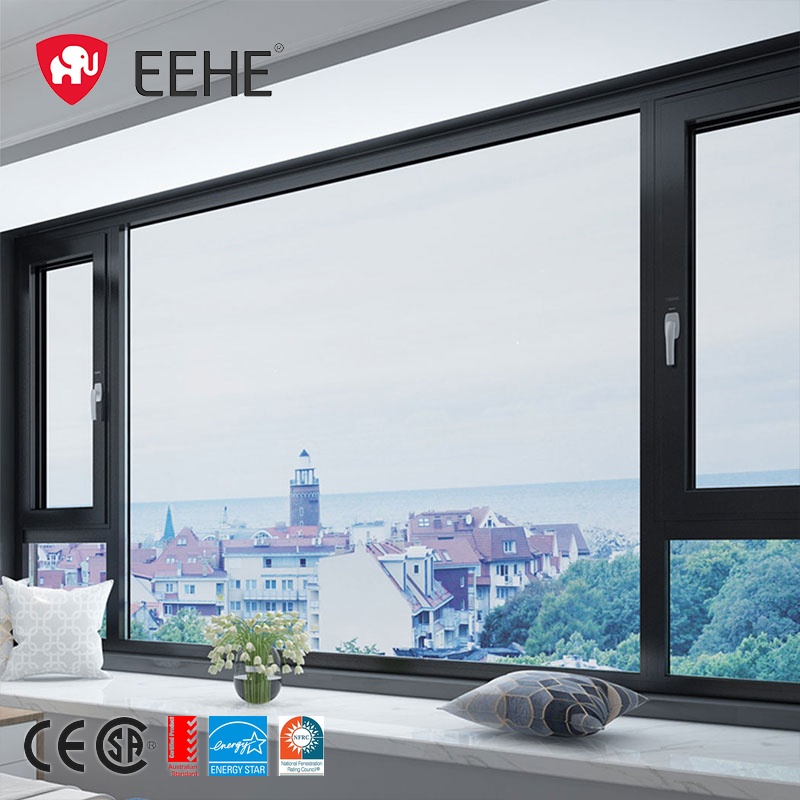
Headquartered in Dali Town, Foshan—China's primary industrial cluster for architectural aluminum extrusion—Guangdong SPD Doors & Windows Technology Co., Ltd. operates a fully integrated 100,000 m² manufacturing plant staffed by over 560 technical specialists. Our facility integrates precision CNC extrusion machining, multi-chamber thermal strip insertion, automated insulating glass unit (IGU) assembly, and electrostatic powder coating under a unified ISO9001 quality system.
As a verified enterprise inspected on-site by SGS, we maintain full compliance with European CE certification (EN 14351-1), North American NFRC/CSA standards, and Australian AS2047 protocols. We engineer custom fenestration solutions for global B2B procurement, serving commercial contractors, facade consultants, real estate developers, and wholesale distributors in over 80 countries.
Understanding the physics of thermal envelope optimization in modern architectural fenestration.
Architectural aluminum is prized for its structural rigidity, wind pressure resistance, and corrosion immunity. However, untreated aluminum alloy features high thermal conductivity (approx. 160–200 W/m·K). To conform to European CE standard EN 14351-1 and meet strict building energy performance mandates (such as Germany’s EnEV or North America’s ASHRAE 90.1), structural profile design must eliminate direct metallic heat bridges.
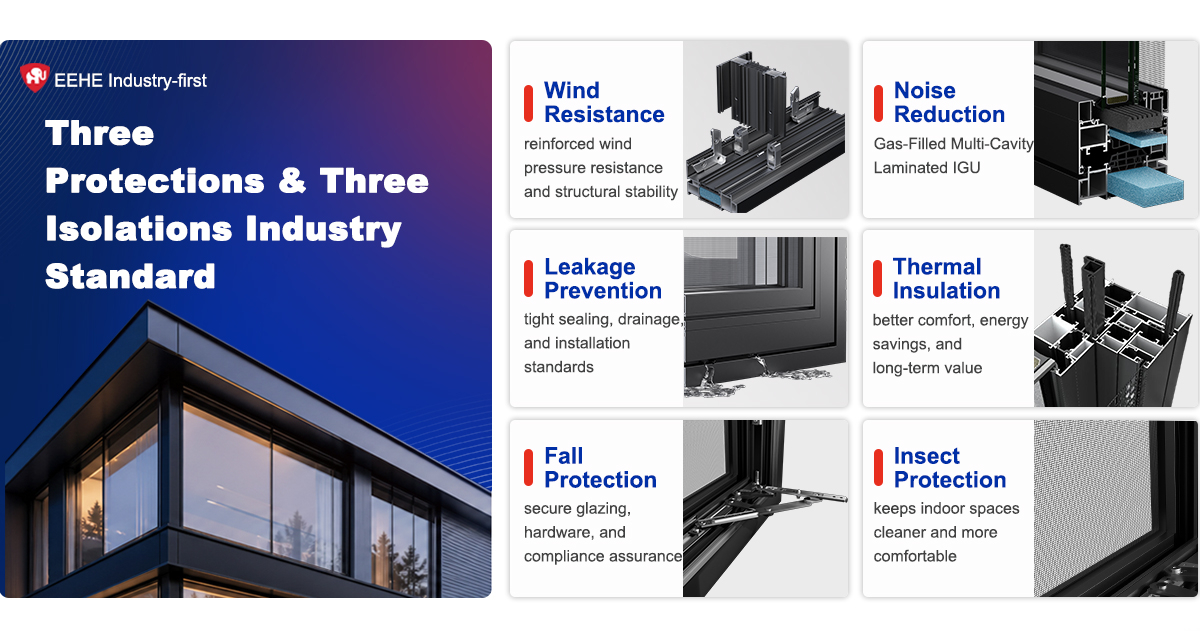
Our CE certified energy-efficient window systems utilize multi-chambered polyamide thermal break strips engineered with 25% glass fiber reinforcement (PA66 GF25). These structural thermal breaks reduce profile thermal conductivity to under 0.3 W/m·K, effectively isolating interior structural aluminum from exterior weather conditions. When paired with warm-edge composite spacers and inert gas fill (90%+ Argon retention), the overall overall window U-factor ($U_w$) drops to levels between 0.80 W/m²·K and 1.40 W/m²·K, making them suitable for Passive House and Net-Zero Energy Buildings (NZEB).
| Performance Metric | Standard Testing Protocol | Guangdong SPD/EEHE Verified Range | Architectural Benefit |
|---|---|---|---|
| Thermal Transmittance ($U_w$) | EN ISO 10077-2 / NFRC 100 | 0.85 – 1.35 W/m²·K | Drastic HVAC operational energy cost reduction |
| Solar Heat Gain (SHGC) | NFRC 200 / EN 410 | 0.22 – 0.45 (Customizable) | Optimized solar control for warm or mixed climates |
| Air Permeability | EN 12207 / ASTM E283 | Class 4 (Highest Rating, < 0.5 m³/h·m) | Eliminates forced draft infiltration and heat leakages |
| Watertightness | EN 12208 / ASTM E331 | Class E1050 (Static Pressure 1050 Pa) | Prevents rain ingress under extreme storm conditions |
| Wind Load Resistance | EN 12210 / ASTM E330 | Class C5 (Design Pressure 3000+ Pa) | High-rise structural integrity and deflection safety |
| Acoustic Insulation ($R_w$) | EN ISO 717-1 / ASTM E90 | 38 dB – 45 dB | Superior noise reduction in high-density urban zones |
Glass accounts for 75% to 85% of total window surface area. Consequently, low-emissivity coating placement is critical for regional climate customization:
All glass units produced in our Foshan plant undergo automated double-sealing with butyl primary sealant and structural silicone secondary sealant, preventing gas leakage and glass fogging over a 25-year design lifespan.
Key technological shifts and regulatory developments shaping procurement strategies for developers, importers, and main contractors.
Global developers adhering to LEED v4.1 and BREEAM certifications are increasingly requiring Environmental Product Declarations (EPDs). Sourcing windows manufactured with low-carbon primary aluminum (processed using hydro-electric energy) and high-percentage recycled billets is becoming a mandatory B2B tender condition.
To bypass rising site labor costs in Western markets, procurement is shifting toward factory-finished unitized window modules. Pre-glazed fenestration with integrated thermal breaks, flashings, and anchor brackets allows plug-and-play installation on-site, shortening building envelope completion timelines by up to 40%.
Vacuum Insulated Glass technology—offering center-of-glass U-values down to 0.40 W/m²·K in ultra-slim profiles—is transitioning from specialized laboratory application to commercial volume production. VIG eliminates heavy triple-glazed weight while delivering passive-house thermal isolation.
Modern commercial and high-end residential specifications increasingly mandate micro-ventilation systems interfaced with Building Management Systems (BMS). Hidden electric chain actuators, electrochromic dynamic glass, and automated rain sensors are becoming standard in premium B2B packages.
Regulatory scrutiny around structural facade integrity has intensified. Importers no longer accept self-declarations; mandatory third-party verification (such as SGS on-site factory audits, NFRC certified thermal simulations, and physical laboratory wind load testing reports) is essential for contract execution.
B2B buyers are concentrating order volumes with consolidated factories located in specialized hubs like Foshan. Immediate access to profile extruders, anodizing lines, glass processing centers, and hardware manufacturers cuts lead times by 30% while reducing logistics friction.
Comprehensive technical guidance for importers, architects, structural engineers, and general contractors sourcing custom windows from China.
Send your project blueprints, door/window schedules, or performance requirements to our Foshan engineering division. Receive itemized pricing, technical CAD profile cross-sections, and U-value calculations within 24 hours.
Get a Quote