Product Catalog
Featured CE & NFRC Certified Fenestration Systems
Factory-direct architectural aluminum casement, sliding, and bi-fold window & door profiles tailored for modern high-performance building envelopes.
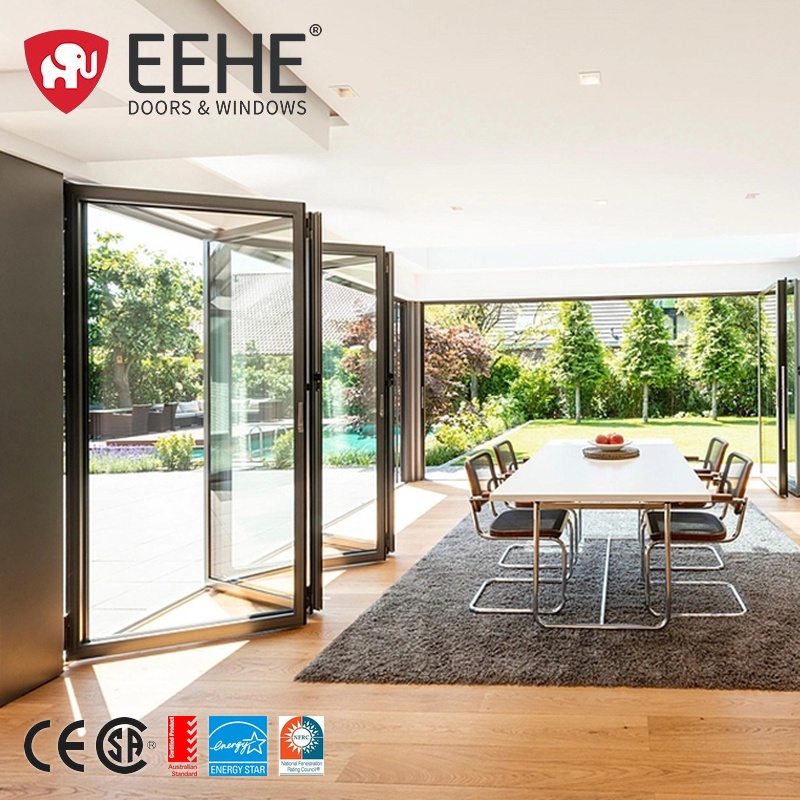
EEHE Bi-Fold Door Thermal Break Low-E Argon Glass Heavy Duty Architectural Accordion Glass Door for Luxury Villa NFRC CSA
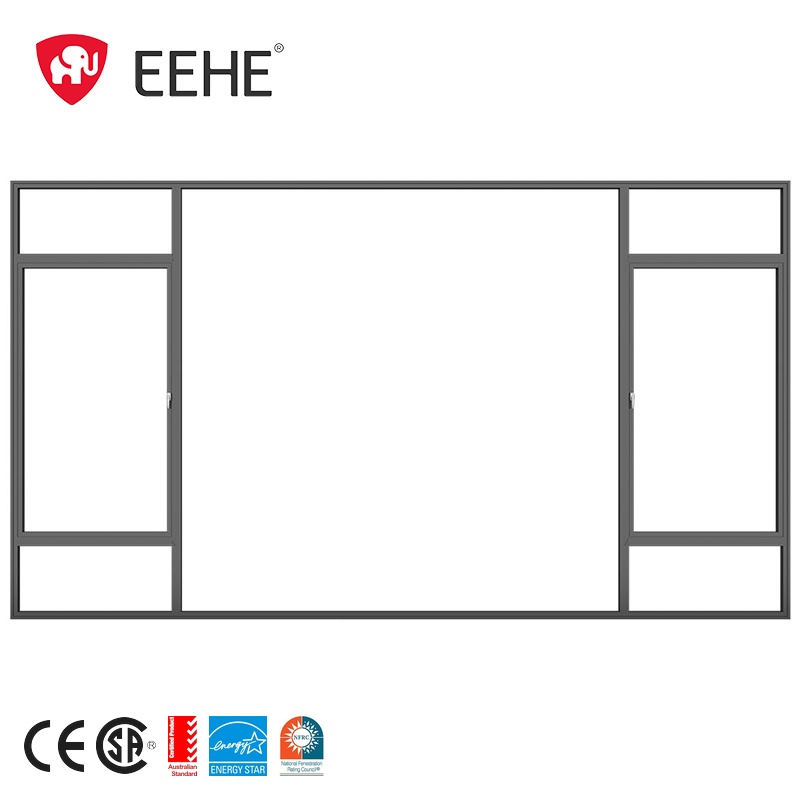
EEHE French Casement Window Floating Mullion Full Clear View Aluminum Side Hung Casement Window for Patio Villa CE AS2047
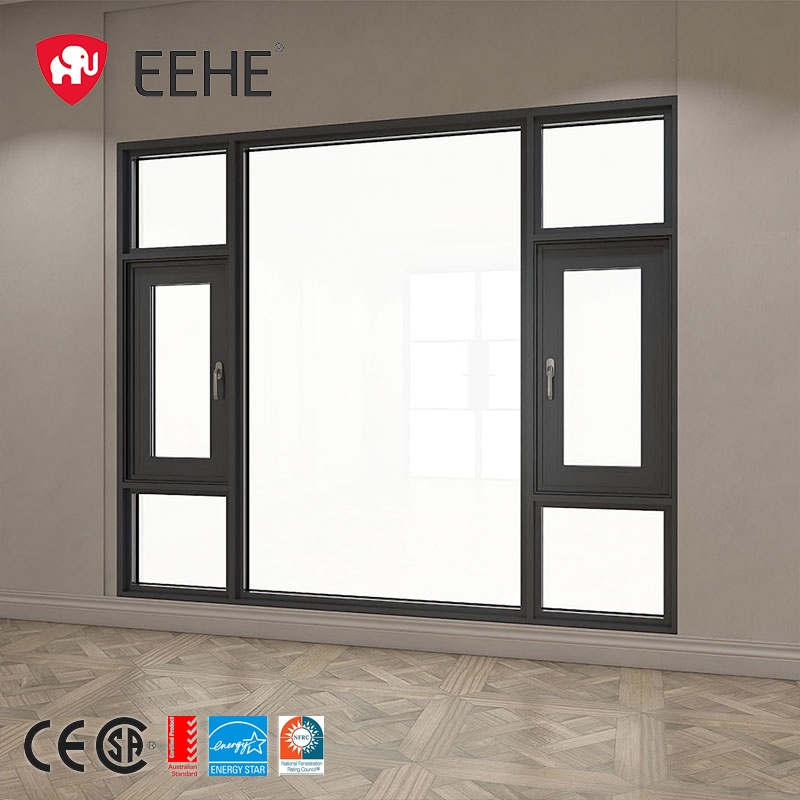
EEHE Casement Window Deep Interlock Multi-Point Compression Aluminum Outswing Casement Window for Cold Climate House CSA AS2047
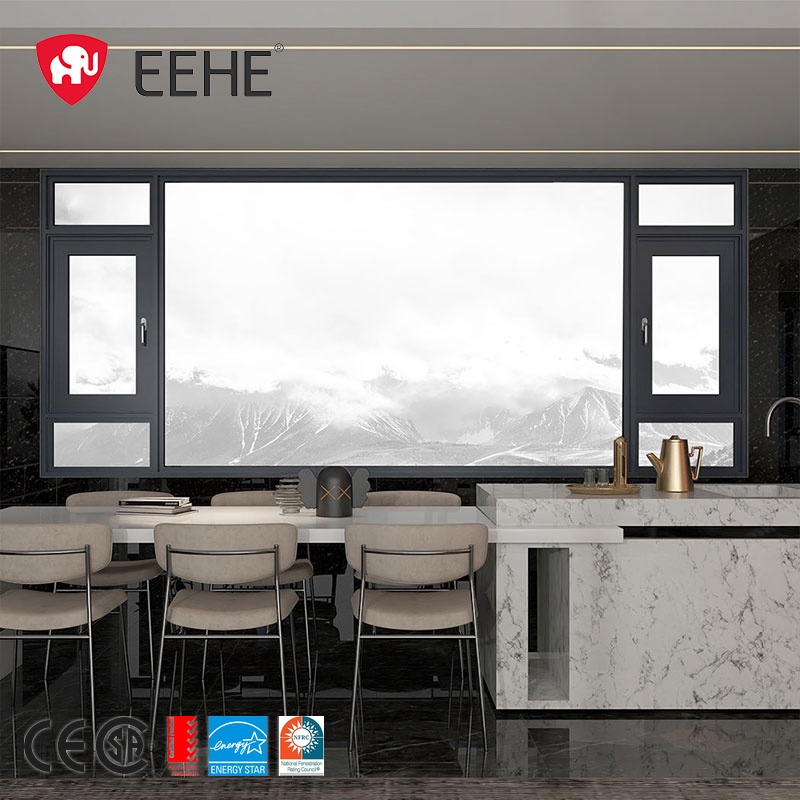
EEHE French Casement Window Full Panoramic View Post Free Aluminum Double Casement Window for Modern Luxury House NFRC CSA
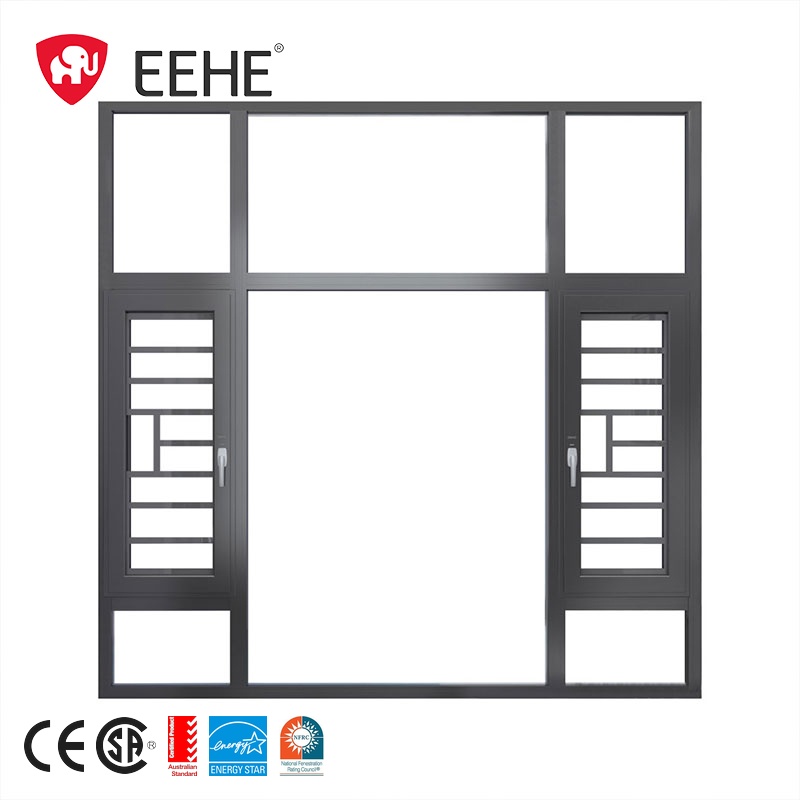
EEHE Casement Window Ultra Clear Low-Iron Tempered Glass Heavy Architectural Casement Window for Modern Studio House CSA CE
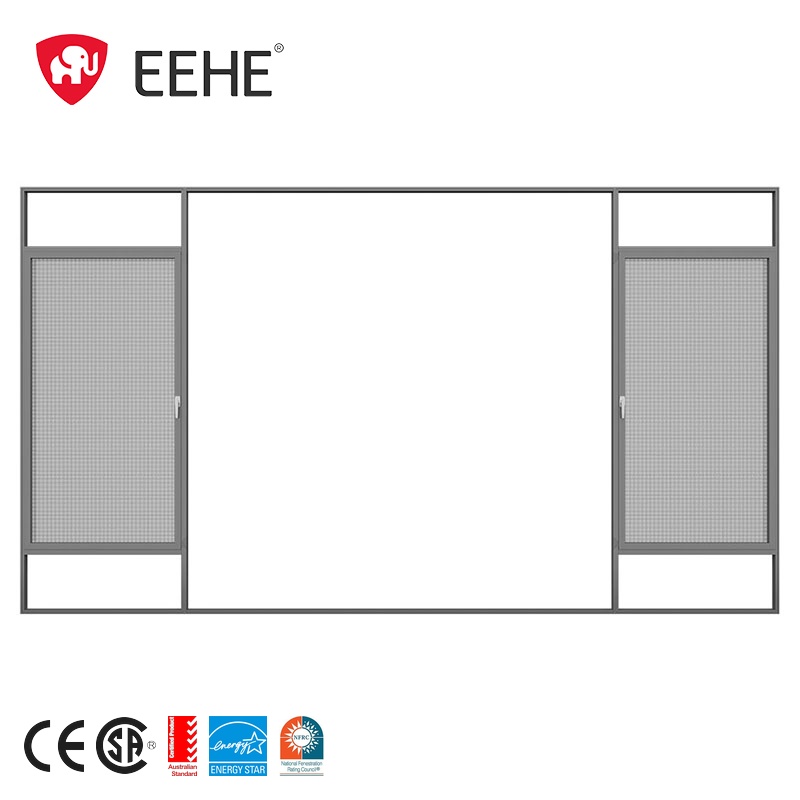
EEHE Casement Window Ultra Slim Minimalist Narrow Sightline Architectural Flush Casement Window for Modern House NFRC AS2047
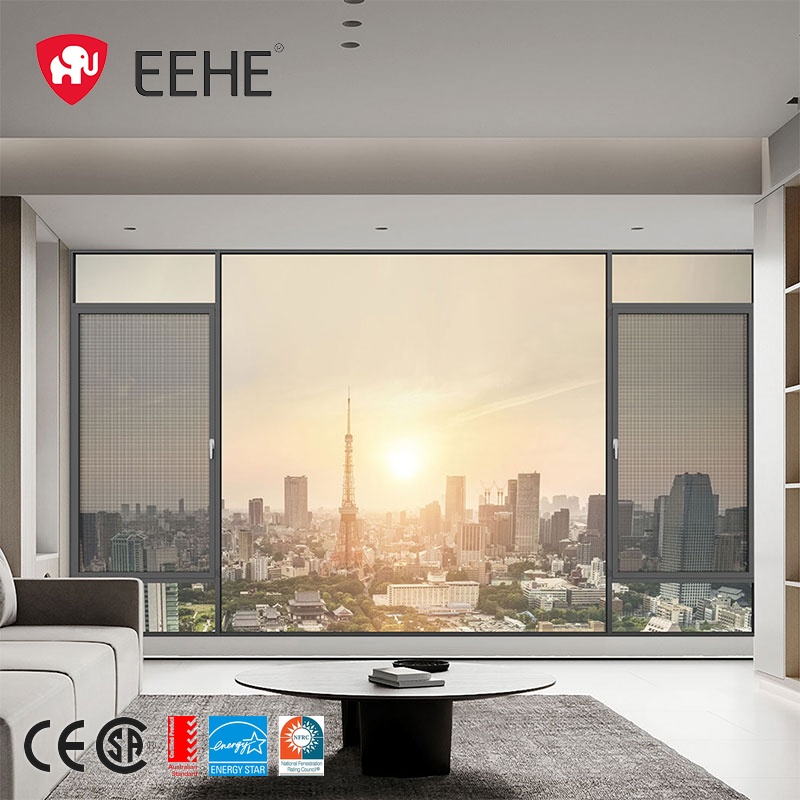
EEHE Aluminum Casement Window Hurricane Impact Storm Resistant Heavy Duty Crank Casement Window for Coastal Home NFRC CE
Manufacturer Overview
Guangdong SPD Doors & Windows Technology Co., Ltd.
Precision Engineering, Third-Party SGS Verification, and Full OEM/ODM Customization for Global Developers.
100,000 m² Integrated Manufacturing Hub
Situated in Dali Town, Foshan—China’s premier architectural aluminum ecosystem—our facility houses automated extrusion profile cutting, CNC high-precision machining, robotic corner crimping, and automated double/triple glazing assembly lines.
CE & NFRC Structural Rigor
Our aluminum sash and casement systems undergo rigorous testing to meet European CE (EN 14351-1), North American NFRC, CSA, and Australian AS2047 standards. Tested for air permeability (Class 4), watertightness (E1050), and wind load resistance (Class C5).
SGS Verified & 6 Structural Patents
Independently inspected on-site by SGS, SPD combines 18+ years of export expertise with 6 key patented innovations in thermal-break structural locks, multi-layer EPDM seals, and deep-interlock compression sash dynamics.
Technical Whitepaper
CE Certified Aluminum Sash Windows: Standards & Technical Benchmark
Understanding EN 14351-1 Requirements, Thermal Transmittance (Uw), and Acoustic Attenuation in Architectural Fenestration.
In modern architectural specification, obtaining a CE Certified Aluminum Sash Window is not merely a regulatory prerequisite for entering the European Economic Area (EEA); it serves as a global proxy for structural durability, thermal efficiency, and environmental resilience. Under EN 14351-1:2006+A2:2016 (Windows and doors - Product standard, performance characteristics), window assemblies must undergo standardized initial type testing (ITT) and maintain continuous Factory Production Control (FPC).
Key Engineering Performance Metrics Defined by CE Standards
When procurement managers, facade contractors, and structural engineers evaluate aluminum sash and casement profiles, four critical performance vectors determine compliance and real-world viability:
| Performance Category | Testing Standard | CE Performance Benchmark | SPD Engineering Achievement |
|---|---|---|---|
| Thermal Transmittance (Uw) | EN ISO 10077-1 / -2 | Uw ≤ 1.4 W/(m²·K) | Uw as low as 0.8 - 1.1 W/(m²·K) via PA66GF25 Polyamide Strips & Argon-filled Low-E Glazing |
| Air Permeability | EN 12207 | Class 3 to Class 4 | Class 4 (600 Pa maximum test pressure; continuous perimeter EPDM gasket compression) |
| Watertightness | EN 12208 | Class 7A to Class 9A | Class E1050 / 9A (Unsheltered testing up to 1050 Pa driving rain pressure with step-down drainage) |
| Resistance to Wind Load | EN 12210 | Class C3 to Class C5 | Class C5 / P3 3000 Pa (Deflection < 1/300 with high-tensile EN AW-6063 T6 extrusion profiles) |
| Acoustic Performance (Rw) | EN ISO 717-1 | Rw (C; Ctr) ≥ 32 dB | Up to 45 dB reduction utilizing laminated acoustic PVB glass build-ups (e.g., 6mm + 1.52PVB + 6mm) |
Structural Anatomy of High-Performance Sash Windows
Aluminum sash windows engineered by Guangdong SPD incorporate multi-chamber thermal breaks fabricated from 25% glass-fiber reinforced polyamide (PA66-GF25). Unlike low-grade PVC inserts, PA66-GF25 matches the coefficient of thermal expansion of aluminum alloy frames (EN AW-6063 T6), preventing internal shear stress, structural warpage, or seal failure across thermal cycles ranging from -30°C to +80°C.
Furthermore, our sash profiles utilize floating mullions and concealed multi-point compression locks. When the sash closes against the frame, heavy-duty gearboxes engage hardened stainless steel mushroom head keepers along all four edges, achieving uniform weather-seal pressure while serving as an effective burglar-resistant envelope (RC2 / RC3 security ratings).
Industry Forecast
Future Trends in Aluminum Window Procurement & Engineering (2025-2030)
How Decarbonization, Minimalist Architectural Demand, and Smart Automation are Reshaping Global B2B Sourcing.
1. Low-Carbon Recycled Extrusions
Global developers are enforcing strict EPD (Environmental Product Declaration) limits. Procurement shifts toward prime billet aluminum extruded with at least 75% post-consumer recycled content, utilizing hydro-powered smelting to slash embodied carbon by up to 70% per ton of profile.
2. Ultra-Narrow Sightlines & Flush Frames
Architectural preference has transitioned from bulky traditional frames to ultra-slim flush casements with sightlines under 50mm. Concealed hinges, dynamic drainage, and flush interior-to-exterior transitions provide maximum daylight factor (DF) without compromising structural moment of inertia (Ix/Iy).
3. Smart Motorization & BIPV Integration
Automated sash actuation via hidden linear actuators connected to building management systems (BMS) is rapidly expanding. Future sash windows integrate solar-sensing glass, automated trickle ventilation, and wireless micro-sensors monitoring indoor air quality (IAQ).
Procurement Knowledgebase
Frequently Asked Questions (FAQ) for B2B Buyers
Essential Engineering & Sourcing Clarifications for Importers, Contractors, and Architectural Specifiers.
Is Guangdong SPD a manufacturer or a trading company?
SPD is a direct custom manufacturer operating a verified 100,000 m² industrial manufacturing complex in Dali Town, Foshan, Guangdong, employing over 560 specialized workers and engineers. Our production facilities, aluminum processing equipment, and quality control systems have undergone rigorous on-site audit verification by SGS, an independent international inspection body.
How do SPD aluminum sash windows achieve full CE Certification compliance?
Our window profiles are designed, tested, and manufactured in accordance with European Standard EN 14351-1:2006+A2:2016. We utilize EN AW-6063 T6 architectural alloy extrusions, PA66-GF25 thermal insulation strips, certified EPDM weather gaskets, and high-spec Low-E double/triple glazed glass units. Full Declaration of Performance (DoP) documentation and test certificates are supplied with commercial shipments.
Can SPD manufacture window profiles to custom architectural drawings and local codes?
Yes. We offer complete OEM and ODM fenestration engineering. Our in-house technical team works directly from your CAD/BIM architectural drawings, structural wind-load requirements, and regional standards (e.g., NFRC for North America, AS2047 for Australia, CE for Europe) to deliver custom profile dies, corner connections, frame depths, and bespoke hardware configurations.
What technical information is required to receive an accurate factory quotation?
To generate an precise technical quotation, please provide: 1) Architectural window schedules or elevation drawings with exact opening dimensions; 2) Desired thermal break vs non-thermal profile specifications; 3) Glass configuration (e.g., 6mm Low-E + 12Ar + 6mm Tempered); 4) Surface finish requirement (Powder Coat RAL color, PVDF Fluorocarbon, or Anodized); and 5) Destination port for freight planning.
What frame finishes and protective coatings are available for coastal or high-corrosion environments?
We provide Qualicoat-certified AkzoNobel architectural powder coatings, 3-coat/2-bake PVDF fluorocarbon finishes (ideal for high-UV and salt-mist marine conditions under AAMA 2605 specifications), anodized finishes (Class 15/Class 25), and heat-transfer wood grain textures.
How are export shipments packed to prevent damage during ocean transport?
All finished window and door assemblies undergo rigorous quality inspection prior to packaging. Frames are wrapped in protective PE anti-scratch film, corners are reinforced with thick EPE foam guards, and units are enclosed inside fully sealed, fumigated solid wooden cases or heavy-duty steel A-frame racks for easy forklift unloading at site.
Request an Architectural Engineering & Commercial Proposal
Partner with a verified Foshan manufacturer for your next residential development, commercial facade, or distribution project. Send your project schedule for instant technical support.