What Are the Top Aluminium Casement Windows in 2026? The answer depends on more than slim frames or polished finishes. A window must suit its climate, opening size, exposure, and installation quality. Small details matter: a secure handle, a smooth hinge, and seals that meet evenly at the corners.
The U.S. Department of Energy’s Energy Saver guidance estimates that windows account for about 25%–30% of residential heating and cooling energy use. That figure makes frame and glazing performance worth checking, not guessing. The National Fenestration Rating Council’s certified labels provide comparable ratings for factors such as U-factor and solar heat gain. Look for those figures alongside warranty terms, hardware specifications, and evidence of testing to relevant standards. A low U-factor alone does not settle the choice. Orientation and local conditions still matter.
Architect Carl Elefante’s widely cited reminder is, “The greenest building is the one that is already built.” It is not a window specification, but it is a useful prompt: replacing sound windows may not be the best first step. This guide compares leading Aluminium Casement Windows by measurable performance, construction, usability, and value, while distinguishing documented specifications from marketing claims. Rankings can simplify a complicated purchase. They can also miss what matters in a particular home. A quiet showroom latch, for example, tells little about long-term weather resistance. The right choice is the one whose verified performance fits the opening—and whose limitations are clear before installation.
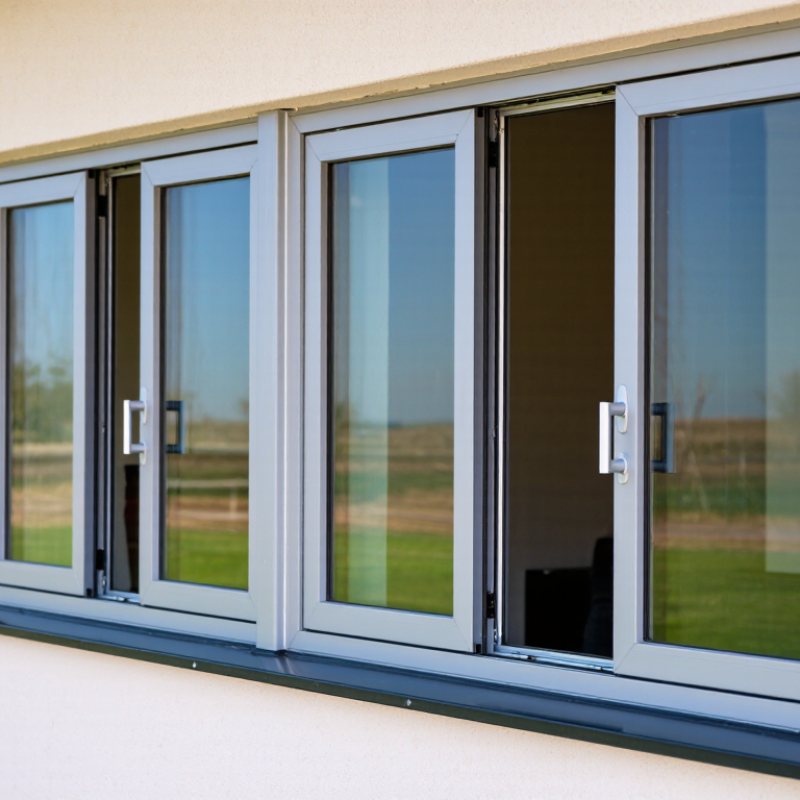
An aluminium casement window is hinged along one side, so its sash swings outward rather than sliding within the frame. Turning a handle moves a crank or locking mechanism, which pushes the sash open and draws it back against the frame. A simple motion. Many designs use friction stays to hold the sash at an angle, while multipoint locks pull it snugly into place.
The frame supports the glass, hinges, seals, and hardware; each part affects how the window operates. When closed, compression seals help limit draughts and rain entry, but they cannot compensate for poor installation or worn components. Small parts matter. A loose handle or misaligned sash can make locking difficult, even when the glass and frame look sound. With the window open, air can flow through the clear opening, though strong wind may make an outward-swinging sash awkward to use. Check that the opening path is unobstructed, and have the frame fitted square so the sash meets its seals evenly. The mechanism seems simple, but its performance depends on precise alignment—a detail that is easy to underestimate.
In 2026, a casement window earns its place through a tight seal, useful ventilation, and dependable hardware. Its sash presses against the frame when closed, which can limit drafts compared with sliding designs. That detail matters on a windy evening. The U.S. Department of Energy’s Energy Saver guidance estimates that windows account for 25–30% of residential heating and cooling energy use. This figure covers windows generally, not casements alone, but it shows why glazing and installation deserve close attention.
Look for a thermally broken aluminium frame, double glazing, and low-emissivity glass suited to the local climate. Ask for the National Fenestration Rating Council’s U-factor and solar heat gain coefficient; lower U-factors generally indicate better insulation. There’s no universal best setting. A sunny room may need different solar control from a shaded one. Even a high-rated window can disappoint if the frame is poorly sealed or the opening is mismeasured.
Practical checks count, too. Open the sample sash fully and test whether the handle feels smooth and firm. Confirm that screens, locks, and hinges remain accessible after installation. Aluminium is strong and allows slim sightlines, but its thermal break and finish quality matter. That part is easy to overlook. Before choosing, compare the actual product ratings and warranty terms, not just the glass description.
| Selection dimension | What to look for in a top choice | Why it matters | What to verify |
|---|---|---|---|
| Thermal performance | A thermally broken aluminium frame paired with suitable insulated glazing; compare the whole-window U-value for the complete configuration. | Aluminium conducts heat readily. A thermal break reduces heat transfer through the frame, while glazing and frame design both affect overall performance. | Ask for the whole-window U-value, stated in W/(m²·K), for the size and glazing specified. Lower values indicate less heat transfer; applicable targets depend on climate and local requirements. |
| Air permeability | A tested, well-sealed assembly with a documented air-leakage classification. | Effective seals and accurate installation help limit draughts and unwanted air leakage. | For products tested to EN 12207, Class 4 is the highest air-permeability class. Check that the rating applies to the quoted window configuration. |
| Resistance to driving rain | Tested water-tightness performance appropriate for the building’s exposure and installation details. | Wind-driven rain can place greater demands on the sash, seals, frame joints, and drainage paths. | Request the EN 12208 water-tightness classification and test information. The appropriate class depends on site exposure and design pressure. |
| Wind-load performance | A tested frame and hardware configuration sized for the opening and expected wind conditions. | Wind pressure can affect structural deflection, operation, and the long-term performance of seals. | Check the EN 12210 classification or equivalent local test report, including the size and configuration tested. |
| Glazing and comfort | Glazing selected for the project’s insulation, solar-gain, daylight, noise, and safety needs. | Glass can make up most of a window’s area, so its specification has a major effect on comfort and energy performance. | Compare the glass build-up and documented whole-window results. Low-emissivity coatings, gas-filled cavities, and laminated or safety glass serve different purposes; confirm suitability for the location. |
| Hardware and security | Durable hinges and locking hardware matched to sash size and operating frequency; consider a multi-point locking system where appropriate. | Casement windows depend on their hinges and locking points for smooth operation and secure closure. | Review hardware load limits, maintenance guidance, and any tested security classification required by local rules or the project. |
| Drainage and weather seals | Continuous, replaceable seals and clearly designed drainage paths that are not blocked during installation. | Seals reduce air and water leakage; drainage details help manage water that reaches the frame’s designed drainage channels. | Check the manufacturer’s installation instructions, seal-replacement guidance, and required clearance for drainage openings. |
| Operation and maintenance | A sash that opens to the required angle, clears nearby obstructions, and can be cleaned and serviced safely. | Casement windows offer wide opening potential, but swing direction and clearance affect usability. | Confirm hinge handing, opening direction, access for cleaning, hardware adjustment procedures, and routine care requirements. |
| Specification transparency | Comparable test reports, declared performance values, and written installation requirements for the exact window configuration. | Performance varies with dimensions, glazing, hardware, frame design, and installation; a general product description is not a substitute for configuration-specific evidence. | Compare like-for-like schedules and verify that ratings, dimensions, and installation details correspond to the proposed unit. |
Comparison note: “Top choice” depends on climate, building design, local codes, and the intended use of each opening. Performance classifications and values should be checked against current test documentation for the exact window configuration.
Aluminium casement windows in 2026 should be judged by the whole assembly, not the frame alone. Look for a well-designed thermal break separating interior and exterior aluminium. A continuous break can limit heat transfer, while sturdy frame sections help resist wind pressure. Powder-coated finishes also protect exposed surfaces, though coastal air and cleaning habits affect long-term appearance. Small details matter.
Glazing choices should match the climate and window direction. Low-emissivity coatings can reduce heat transfer, while argon-filled double glazing and warm-edge spacers may improve insulation. Compare certified whole-window U-factor and solar heat gain coefficient ratings; center-of-glass figures alone can mislead. The U.S. Department of Energy estimates that windows account for 25–30% of residential heating and cooling energy use. Performance depends on installation, too.
Check that hinges support the sash without sagging and that multipoint locks pull it evenly against replaceable weather seals. Ask how hardware performs after repeated opening, not just how it looks new. A perfect window does not exist. The International Energy Agency’s 2023 Global Status Report for Buildings and Construction attributes about 30% of global final energy use to building operations. Yet a high-performance window cannot fix poor fitting or persistent air leaks; careful site measurement still matters.
Side-hung aluminium casement windows remain a versatile choice for bedrooms and living areas. Hinged at the side, the sash opens outward to catch breezes and clear much of the opening. Slim aluminium frames can preserve daylight and provide a crisp view, while thermally broken profiles help limit heat transfer. Their performance still depends on quality seals, glazing, and careful installation. Small details matter.
Top-hung casements hinge along the upper edge, helping shield an open window from light rain. They suit kitchens and bathrooms where controlled ventilation is useful, though the opening may feel limited. French casement designs use two side-hung sashes and often open without a central post, creating a wider passage for fresh air. That can be useful near a garden or balcony. Not every room agrees. Wind exposure, cleaning access, and furniture placement can change which type works best. A specification may look excellent on paper, yet a stiff handle or poorly aligned sash quickly becomes irritating. Compare hardware, drainage, thermal performance, and available opening space before choosing.
Typical operable sash count by configuration. Counts describe common layouts; custom window designs may differ.
Single casement: A straightforward hinged sash that opens wide for ventilation. French casement: Two opening sashes create a wide, unobstructed opening. Tilt-and-turn: One sash offers tilt ventilation or inward opening for access. Top-hung casement: Hinged at the top, it can provide ventilation while helping shelter the opening from light rain.
Sash count describes configuration, not air, water, or thermal performance; those depend on the complete window design, specifications, and installation.
“Top” aluminium casement windows are not automatically the best fit for every home. Compare complete-window performance, not just frame material or glass. Look for documented U-factor and solar heat gain data, then match them to your heating and cooling needs. In a cold climate, a thermally broken frame and well-sealed glazing can help limit heat loss. In a hot, sunny room, lower solar gain may matter more.
Climate changes the details. Coastal homes need durable finishes and corrosion-resistant hardware; windy, rainy sites need tested air and water resistance. Ask how the sash seals when closed, and inspect the drainage paths. Small details matter. A tiny corner gap can invite a cold draft. In humid areas, ventilation and correct installation help reduce condensation, though no window can fix every moisture problem.
Compare opening size, hinge strength, screen access, cleaning, and repair options. A large casement can catch strong gusts, while a narrow one may not provide enough airflow. Not always obvious. Request performance documents for the exact size and glazing package, since ratings can vary. Also check that the installer understands flashing and local exposure conditions. I would not choose by a single rating alone; real comfort depends on the wall, orientation, and workmanship, too.
Look for a continuous thermal break between the inner and outer aluminium. Sturdy sections can help resist wind pressure. Details matter.
Low-emissivity coatings, argon-filled double glazing, and warm-edge spacers may help. Compare whole-window ratings, not center-of-glass figures alone.
U-factor describes heat transfer; solar heat gain indicates how much sun energy enters. Choose figures that suit your climate and window direction.
The U.S. Department of Energy estimates windows account for 25–30% of residential heating and cooling energy use. Installation still matters.
Hinges should support the sash without sagging. Multipoint locks should pull it evenly against replaceable weather seals. Ask about repeated use.
Coastal homes may need durable finishes and corrosion-resistant hardware. Windy, rainy sites need tested air and water resistance. Check drainage paths, too.
Consider airflow, cleaning, screen access, and hinge strength. A large sash can catch gusts; a narrow one may provide little airflow.
Not by itself. Poor fitting and air leaks can reduce comfort, while humidity and installation affect condensation. A small corner gap can matter.
Aluminium Casement Windows open on side-mounted hinges, allowing the sash to swing outward for controlled ventilation and clear views. In 2026, they remain a popular choice for their slim frames, durable construction, and ability to suit both contemporary and traditional homes. Their performance depends on more than appearance: frame design, weather seals, thermal breaks, glazing, and well-made hardware all contribute to comfort, security, and ease of use.
The best option for a home depends on its climate, orientation, and everyday needs. Double or triple glazing can help manage heat loss and outside noise, while low-emissivity glass may improve year-round comfort. Compare opening styles, frame finishes, energy features, maintenance requirements, and available sizes before choosing. Considering how each window will handle local weather and complement the home can help you find a practical, long-lasting solution.