0%

Choosing Aluminium Windows for a global project is not a simple matter of comparing frame prices. Climate, building use, glass specification, hardware, and installation quality all shape performance. A slim frame may look elegant in a showroom, yet perform poorly if the glazing or seals do not suit the site. Small details matter.

Dr. Stephen Selkowitz, a building-science expert formerly associated with Lawrence Berkeley National Laboratory, has described windows as “the most complex element of the building envelope.” That insight is useful for buyers comparing products across regions. A window connects indoor comfort with weather, noise, sunlight, and energy use. It is not just a frame and pane.

This 2026 guide examines the qualities global buyers should assess: thermal breaks, profile strength, glazing options, air and water resistance, corrosion protection, certifications, and after-sales support. Coastal exposure may call for different finishes than a dry inland climate. Large openings also demand careful attention to wind loads and hardware capacity. Ask suppliers for tested specifications, not only attractive catalogue images. Check that ratings match the intended project and local requirements. Even then, the numbers cannot guarantee a flawless installation. That part is easy to underestimate. There is no universal “best” window; the right choice depends on the building, budget, and people who will use it.
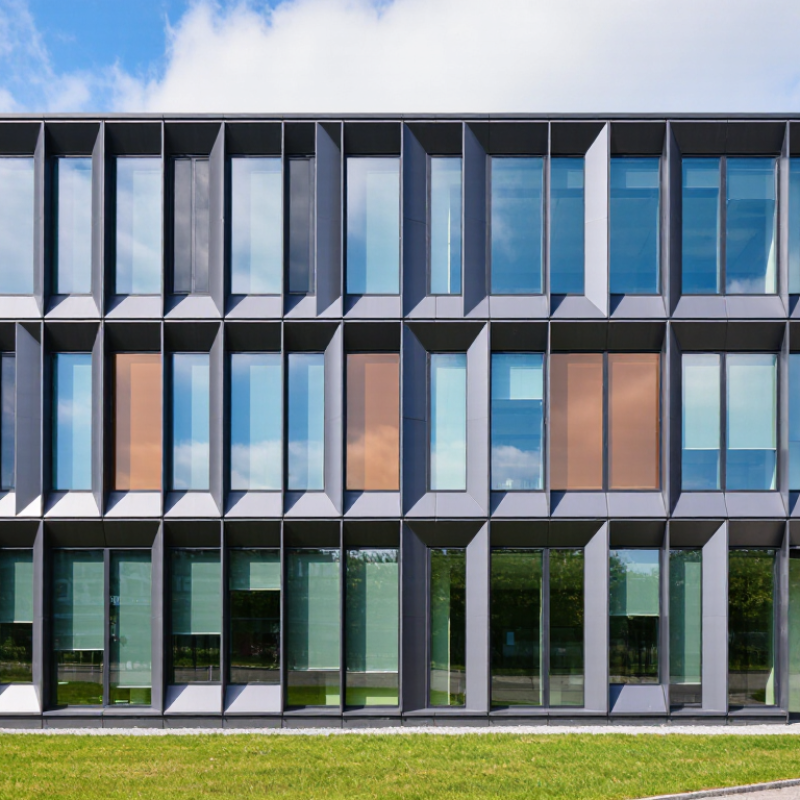
2026 Top Aluminium Windows for Global Buyers?

What Defines a Top Aluminium Window for Global Buyers in 2026?

In 2026, a top aluminium window is not defined by a slim frame alone. It must deliver verified thermal, air, water, and wind performance as a complete assembly. The GlobalABC 2024 Global Status Report estimates that buildings and construction used 32% of global energy and produced 34% of energy-related CO₂ emissions in 2023. That makes whole-window insulation and airtight installation important, not decorative extras. Check test results for the specified glass, frame, seals, and hardware—not just a centre-of-glass figure. Details matter.

Performance must fit the project’s climate and exposure. A coastal opening needs suitable corrosion resistance; a windy high-rise needs tested structural capacity and reliable seals. Ask for third-party test reports, declared U-values, and installation guidance relevant to the destination market. Standards differ. A frequent specification blind spot is treating the frame as the product, when glass choice, spacers, drainage, and installation also affect results.

Material impact deserves scrutiny, too. The International Aluminium Institute reports that recycled aluminium production uses about 5% of the energy required for primary aluminium production. Yet recycled content alone does not prove a window performs well. Thermal breaks, repairable hardware, and credible environmental product declarations matter. One easy-to-miss trade-off: a tender may reward low price and recycled content while overlooking measured operating performance. A showroom sample can look convincing. Request evidence for the installed system.

Which Aluminium Window Types Suit Different Building Needs?

Choosing an aluminium window type starts with how each room is used. Casement windows open wide, making them useful in bedrooms or kitchens where direct ventilation matters. They need clear space outside, though, which can be awkward beside a narrow path. Sliding windows suit balconies and compact rooms because their sashes do not swing inward. Check the overlap. The opening area may be smaller than the overall frame suggests. Fixed windows bring daylight and broad views to living rooms, but they provide no ventilation and need a separate opening nearby.

For cross-ventilation, pair operable windows on different sides of a room when the layout allows. Awning windows can admit air during light rain, but their outward projection may conflict with walkways or exterior shades. Tilt-and-turn units offer controlled ventilation and an inward opening for cleaning; confirm that furniture will not block the sash.

In hot or cold climates, ask for performance data suited to the project, including thermal-break details and glazing specifications. Near the coast, check the coating system and maintenance guidance for the exposure. No option wins everywhere. A common oversight is choosing by appearance alone: even a slim frame can disappoint if opening size, water management, or installation details are poorly matched to the building.

How Do Frame Design and Glazing Affect Window Performance?

Aluminium window performance starts with the frame, not just the glass. A slim sightline admits more daylight, but narrow profiles may limit the space available for insulation and hardware. Thermal breaks separate the inner and outer aluminium, reducing heat transfer; their design and continuity matter. Check the corner joints, drainage paths, and frame depth, too. Small details count.

Glazing changes comfort in ways you can feel beside a window on a cold morning. Double or triple panes, low-emissivity coatings, and warm-edge spacers can reduce heat loss, though results depend on the full assembly. Solar control also matters: a coating that limits summer heat may reduce useful winter sun. There is no single best glass for every climate or façade. Ask for whole-window thermal data, not glass-only figures, and compare the stated test conditions. Installation can undo good design if the frame is poorly sealed or out of square. A slight air leak is easy to miss on a showroom sample. It deserves attention. For a real project, review orientation, local weather, shading, and ventilation needs before choosing a frame-and-glass combination.

Which Climate Conditions and Standards Should Buyers Consider?

Aluminium windows should be specified for the weather they will face, not just their appearance. In hot regions, check solar heat gain and thermal insulation; strong afternoon sun can make an unshaded room uncomfortable. In cold climates, thermal breaks and suitable glazing help limit heat loss and interior condensation. Coastal projects need durable coatings and hardware, because salt spray can accelerate corrosion. Details matter.

Ask for tested performance data, not broad claims such as “weatherproof.” Depending on the market, useful references may include ISO 10077 for thermal performance, EN 12207 for air permeability, EN 12208 for watertightness, and EN 12210 for wind resistance. North American buyers may look for NFRC ratings and applicable window performance standards. Requirements differ by country and project, so confirm local building codes and test methods before comparing products.

Match test results to the building’s exposure. A high-rise near the coast may need stronger wind-load performance than a sheltered inland home. For heavy rain, ask how the frame’s drainage paths handle water, and request evidence from relevant tests. Installation matters too; a well-rated window can still leak if the opening is poorly sealed. I would avoid choosing on one number alone. Product data can look tidy, while site conditions are not.

How Can Buyers Evaluate Suppliers, Costs, and Delivery Terms?

2026 Top Aluminium Windows for Global Buyers?

A supplier’s brochure is only a starting point. Request drawings, alloy and coating specifications, glass build-up, hardware schedules, and test reports for the exact window configuration. Compare like with like: a thicker frame or different glazing can change both price and performance. Ask who handles quality checks, packaging, and replacement parts if a shipment arrives damaged. Small details matter.

For delivery, confirm the named place, shipping method, production lead time, dispatch date, and responsibility for freight, insurance, and import charges. Put delay procedures and document requirements in writing. The World Bank’s 2023 Logistics Performance Index assessed 139 economies across six areas, including customs, tracking, and timeliness. That is a useful reminder: a factory’s promised lead time is only one part of the journey. A spreadsheet can still mislead.

Compare total landed cost, not just the unit price. Request a quote with separate frame, glazing, hardware, packing, and freight amounts, plus a clear validity period and any aluminium-price adjustment formula. Ask for evidence supporting recycled-content claims; the International Aluminium Institute reports that recycling aluminium can use up to 95% less energy than primary production. It does not automatically mean a cheaper window. Verify the documentation and calculate the trade-off.

FAQS

Which aluminium window type suits a small room?

Sliding windows do not swing inward, so they can suit compact rooms. Check the actual opening area; the frame can make it look larger.

When are casement windows a practical choice?

Casement windows open wide and can provide direct ventilation in kitchens or bedrooms. They need clear space outside, which can be awkward beside a narrow path.

Do fixed windows provide ventilation?

No. Fixed windows bring daylight and broad views, but need a separate opening nearby for fresh air. Easy to overlook.

How can a room get cross-ventilation?

Place operable windows on different sides when the layout allows. Awning windows may admit air during light rain, but their outward sash needs clearance.

What should buyers check about frames and glass?

Ask about thermal breaks, glazing, drainage paths, and whole-window thermal data. Glass-only figures do not describe the complete assembly.

Does the best glazing depend on the climate?

Yes. Solar-control glass may reduce summer heat, but can also limit useful winter sun. I would recheck the room’s orientation and shading.

What matters for windows near the coast?

Salt spray can speed up corrosion. Check the coating, hardware, and maintenance guidance for the site’s exposure.

How should window performance claims be compared?

Request tested data for thermal performance, air leakage, water resistance, and wind resistance. Compare the test conditions, not one number alone.

Can good windows still leak after installation?

Yes. Poor sealing or an out-of-square frame can undermine performance. The installation deserves as much attention as the product.

Conclusion

In 2026, choosing top Aluminium Windows means balancing durability, energy efficiency, security, appearance, and long-term value. Different window types suit different spaces: sliding designs can help maximize openings, casement styles offer controlled ventilation, and fixed windows bring in daylight where opening is unnecessary. Frame strength, thermal breaks, hardware quality, and glazing options all influence comfort, noise reduction, maintenance, and performance.

Buyers should match window specifications to local climate conditions, considering factors such as heat, cold, humidity, wind, and coastal exposure. They should also confirm that products meet the relevant performance and building requirements for their project location. When comparing suppliers, assess manufacturing consistency, technical support, customization, warranties, and transparent pricing. Include packaging, shipping, lead times, and delivery terms in the total cost evaluation to make a practical choice for the building’s needs.

Amelia

Amelia

Amelia is a professional marketing specialist with a deep understanding of the company’s products, services, and the needs of the customers they serve. She regularly contributes expert articles to the company website, sharing clear, practical insights that help readers understand product features,......